AI Data Center Race Turns Into Power Race
· GlobeWire Daily Editorial Desk · Source: www.techradar.com

Image: TechRadar · Photo source · Resized and letterboxed to 16:9; no AI generation
The competition for AI supremacy has long focused on chips, models and talent, but the real driver is now electricity. As AI moves from research labs into homes, offices and factories, the speed and reliability of power delivery—known as “time to power”—has become the decisive factor for where data centers, or AI factories, are built and who reaps the economic benefits.
Investors no longer accept a simple promise of abundant future power. They demand that electricity be accessible, predictable, competitively priced and available on a timeline that matches the rapid pace of AI development. A delay of several years in grid connection can mean missing an entire technology cycle.
Three fundamentals shape AI investment decisions:
- Regulatory environment – clear permits and streamlined approvals.
- Energy availability – how quickly a site can be connected to the grid.
- Energy price – affordability of the power that will run the AI workloads.
China and the United States dominate global capacity but take different paths. China is investing roughly US$295 billion in a nationwide AI computing network, coupled with energy infrastructure and renewables. In the U.S., rising electricity demand and evolving grid‑connection timelines are driving interest in on‑site generation and storage.
Europe presents a mixed picture. Some markets offer ready capacity and attractive conditions; others suffer from grid queues and complex permitting. Yet Europe’s blend of nuclear, renewables, established infrastructure and industrial expertise makes it a natural home for the next generation of AI infrastructure.
Key levers for accelerating AI‑powered data centers:
- Speed is power – Many grids cannot handle the concentrated demand of AI. Europe’s flagship hubs (Frankfurt, London, Amsterdam, Paris, Dublin) can wait up to a decade for a grid connection, while a facility may take only four years to build. Governments must accelerate permitting, provide transparent timelines and shift from “first‑come, first‑served” to “first‑ready, first‑connected”.
- Flexibility unlocks capacity – Grid modernization takes years, but flexibility can free existing capacity quickly. Energy‑management technologies shift non‑critical loads, battery storage stores surplus power, and data centers can become active grid assets. For example, Compass Data Centers in Europe already use digital energy‑management and microgrids to reduce operating costs and increase grid resilience.
- Flexibility as cheapest power – In regions with grid flexibility, households and businesses can be rewarded for using power when renewables are plentiful. Data centers that provide battery storage, automated demand response and participate in flexibility markets can earn lower tariffs or faster connections.
AI infrastructure will follow power: where electricity is abundant, resilient and affordable. Countries that fail to provide these conditions risk losing not only data centers but also the jobs, investment and innovation ecosystems that grow around them.
Practical implications – Developers should verify grid connection timelines, assess permitting processes and explore flexibility incentives. Investors should look for regions with transparent grid schedules and supportive policies.
How to verify – Check national grid operator publications, local permitting authorities and industry reports such as those from Reuters and TechRadar Pro. Look for documented connection queues, projected timelines and any flexibility market frameworks.
The future of AI will be shaped by data centers, but it will be won where power is abundant, resilient and affordable.
AI-assisted reporting; source claims are attributed and have not been independently verified.
More to read
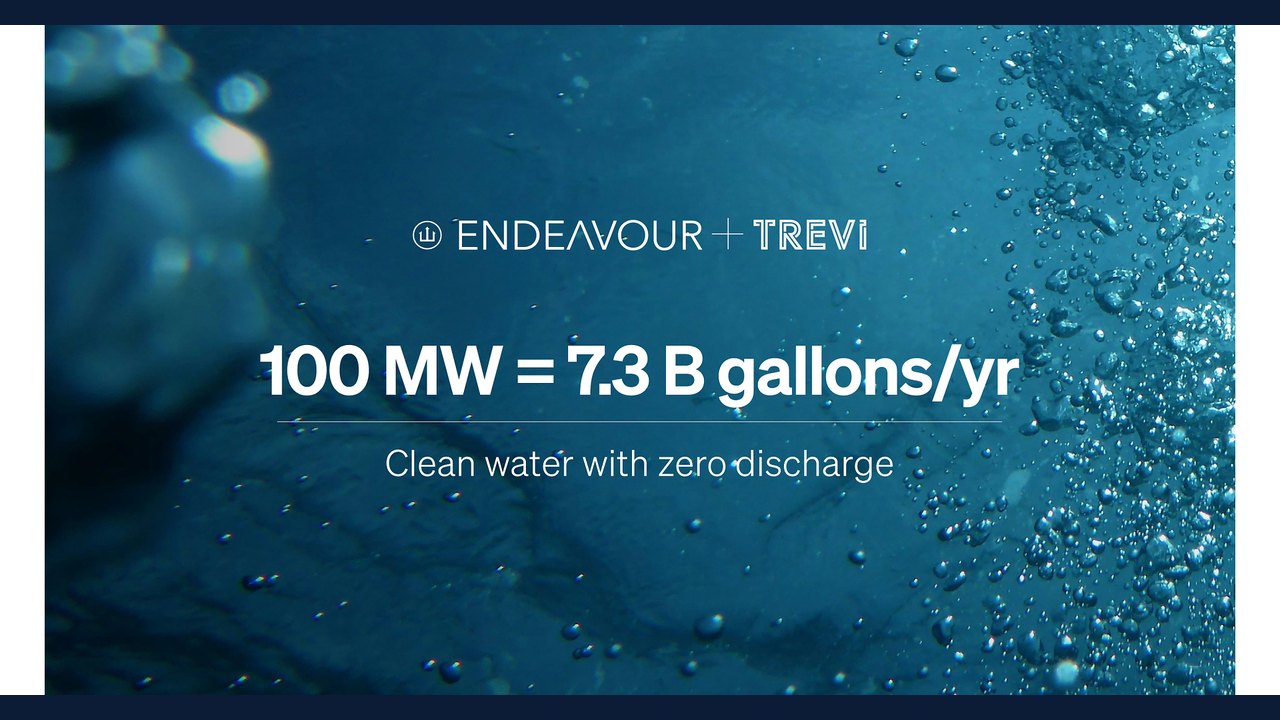 Endeavour‑Trevi partnership aims to turn data‑center waste heat into up to 200,000 gallons of clean water per megawatt
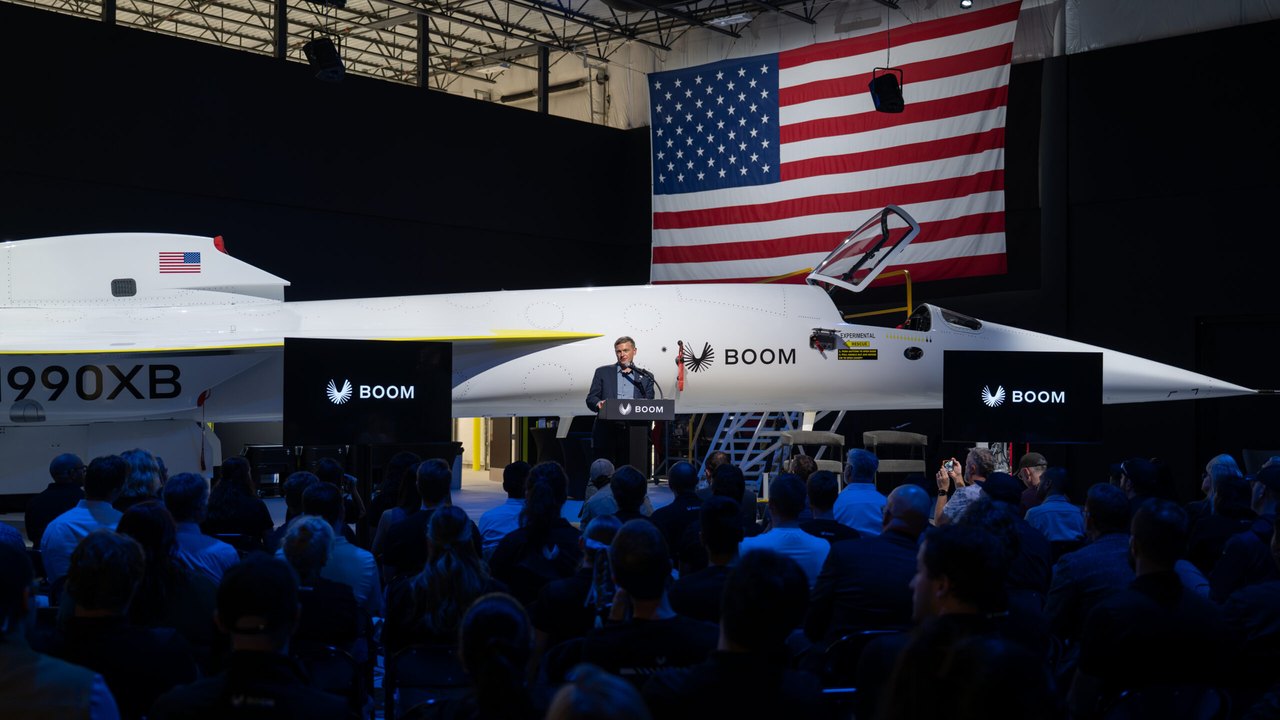 Boom’s Supersonic Ambitions Stall as Company Shifts Focus to AI Data‑Center Turbines
 Nvidia Weighs Acting as Debt Cosigner for Nscale’s Planned West Virginia AI Data Center
 Reid Hoffman Defends AI Data Center Expansion Amid Economic and Community Concerns
Trending on GlobeWire Daily
Selected from recent coverage and related topics; not live search rankings.
 Madhya Pradesh Government Plans Revenue Generation from 117-Year-Old Edward Villa in Mumbai Through Leasing
 iPhone 18 Pro Named TechRadar Product of the Year 2026
 Google Project Suncatcher Runs Gemma 4 AI on Orbiting Satellite and Receives First Response
 Gender Disparities in Eye Care Access Across India Examined
 Satellite Images Show Cyclone Arnab Weakening Over India As New System Brews
 Expanding Green and Blue Spaces Crucial for India's Economic and Public Health, Reports Indicate