Boom’s Supersonic Ambitions Stall as Company Shifts Focus to AI Data‑Center Turbines
· GlobeWire Daily Editorial Desk · Source: arstechnica.com
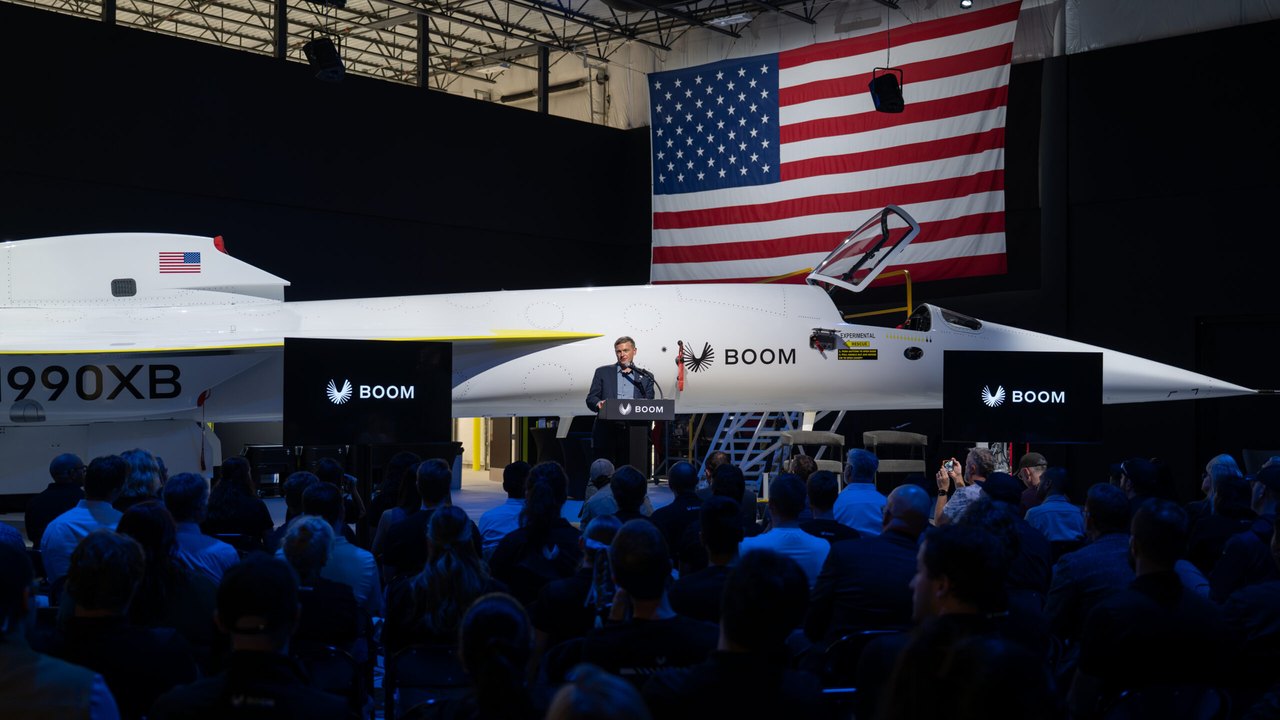
Image: Ars Technica · Photo source · Resized and letterboxed to 16:9; no AI generation
Boom Supersonic, once hailed for its promise to bring commercial supersonic travel back to the skies, is now facing uncertainty as it pivots toward producing natural‑gas turbines for AI data centers.
The company’s flagship aircraft, the Overture, was slated to enter service in 2029, a timeline that United Airlines CEO Scott Kirby publicly questioned in an October 28, 2026 interview with the Office Hours podcast. Kirby warned that the 2029 target was “not going to happen in ‘29—it’s going to take longer.”
Boom’s early achievements included the 2024–25 XB‑1 demonstrator flights that showcased a “boomless cruise” technique, flying just beyond Mach 1 at high altitude to bend shock waves upward and reduce ground impact. The company’s revival of supersonic travel has received regulatory support, notably a 2026 FAA rule that lifted the ban on commercial supersonic flights over the United States.
Despite these milestones, the Overture’s certification and production remain fraught. Boom has signed conditional agreements with American Airlines, Japan Airlines, and United Airlines, but the airlines have yet to pay deposits, and the aircraft’s FAA certification is still pending.
In parallel, Boom announced a new factory in Centennial, Colorado, dedicated to the 42‑MW Superpower gas turbine for AI data centers. The facility, unveiled on October 22, aims to deliver its first turbines by mid‑2027, scaling to 50 units by 2029. This shift reflects a broader industry trend toward natural gas as a reliable power source for large‑scale data centers.
The company’s CEO, Blake Scholl, acknowledged a recent loss of a $1.25 billion deal with data‑center developer Crusoe, but emphasized that the turbine technology is synergistic with the Symphony engine powering the Overture.
The dual‑track strategy—supersonic airliners and data‑center turbines—highlights Boom’s attempt to diversify revenue streams amid mounting production delays. Whether the company can simultaneously deliver on both fronts remains to be seen.
Key takeaways
- Overture’s 2029 launch is now in doubt.
- Boom is investing heavily in AI‑data‑center turbines.
- Regulatory support exists, but certification hurdles persist.
- The company’s pivot reflects broader energy trends in tech infrastructure.
How to verify
- Check FAA certification status for the Overture.
- Monitor press releases from Boom and its airline partners.
- Follow updates from the FAA’s new supersonic rule.
- Track production milestones at the Centennial turbine plant.
Practical implications
- Airlines may delay or cancel orders for the Overture.
- Data‑center operators could adopt Boom’s turbines, affecting power mix.
- The supersonic market remains uncertain, impacting investor sentiment.
Conclusion Boom’s story underscores the challenges of balancing ambitious aerospace projects with emerging energy markets. While the company’s pivot to data‑center turbines offers a potential lifeline, the future of its supersonic airliner remains uncertain.
AI-assisted reporting; source claims are attributed and have not been independently verified.
More to read
 India's AI Data Center Boom Sparks Debate Over Resource Costs and Human Intent
 Global Anti-Data Center Movement Offers Lessons for US Communities Facing AI Infrastructure Boom
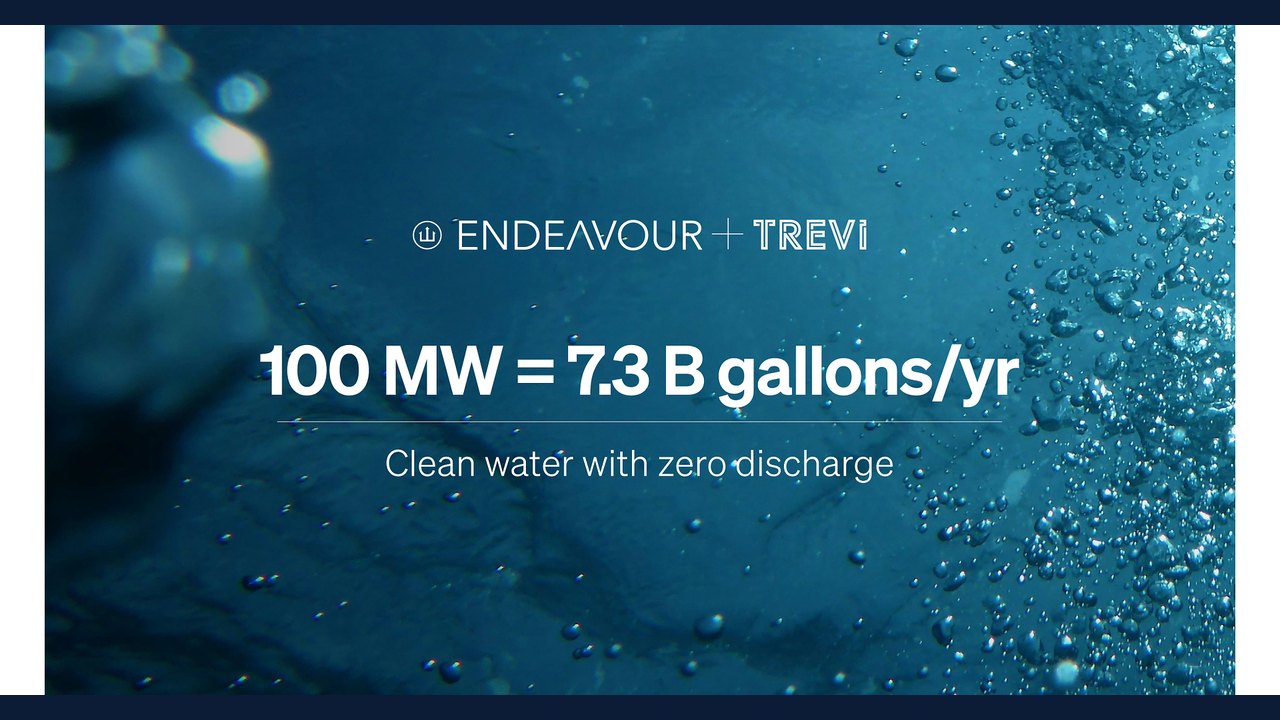 Endeavour‑Trevi partnership aims to turn data‑center waste heat into up to 200,000 gallons of clean water per megawatt
 AI Data Center Race Turns Into Power Race
Trending on GlobeWire Daily
Selected from recent coverage and related topics; not live search rankings.
 Madhya Pradesh Government Plans Revenue Generation from 117-Year-Old Edward Villa in Mumbai Through Leasing
 iPhone 18 Pro Named TechRadar Product of the Year 2026
 Google Project Suncatcher Runs Gemma 4 AI on Orbiting Satellite and Receives First Response
 Gender Disparities in Eye Care Access Across India Examined
 Satellite Images Show Cyclone Arnab Weakening Over India As New System Brews
 Expanding Green and Blue Spaces Crucial for India's Economic and Public Health, Reports Indicate