The Shift Toward AI-Driven Defense: Reshaping the U.S. Military Industrial Complex
· GlobeWire Daily Editorial Desk · Source: www.thehindu.com

Image: The Hindu · Photo source · Resized and letterboxed to 16:9; no AI generation
The New Architecture of Defense
The U.S. military industrial landscape is undergoing a fundamental transition, moving away from a traditional focus on hardware manufacturing toward a model centered on algorithms and artificial intelligence. This shift is reshaping the global defense industrial base by prioritizing digital intelligence over conventional equipment production.
Three Pillars of Change
Experts identify three primary factors driving this transformation:
- Inversion of War Economics: Economic priorities are pivoting toward rapid software deployment and cognitive capabilities rather than static physical assets.
- Restructuring Procurement: The traditional capital logic of long-term government contracts is evolving to accommodate the agile, iterative nature of AI development cycles.
- Software-Defined Military Stack: Military technology is increasingly being defined by its software architecture, allowing for modular updates and enhanced operational capabilities.
Formalizing the Integration
On September 29, 2026, a significant milestone was marked when the U.S. administration convened leaders from prominent AI firms to sign the 'White House Accord on Super Intelligence.' This framework is designed to integrate private AI expertise directly into national security structures.
Earlier in May 2026, the U.S. Department of War reportedly entered into agreements with eight major technology corporations. These firms—including SpaceX, OpenAI, Google, Nvidia, Reflection, Microsoft, Amazon Web Services, and Oracle—have been tasked with deploying their specialized AI capabilities onto highly classified military networks.
Verification and Outlook
These developments signify a departure from historical procurement standards. Observers suggest that the long-term impact on global security dynamics will depend on the scalability of these private-sector tools within military environments. Interested parties are encouraged to monitor official U.S. Department of War press releases and government procurement portals to verify future contract announcements and policy implementation updates.
AI-assisted reporting; source claims are attributed and have not been independently verified.
More to read
 US Defense Secretary Removes Top Pentagon Military Planner Amid Iran Strike Discussions
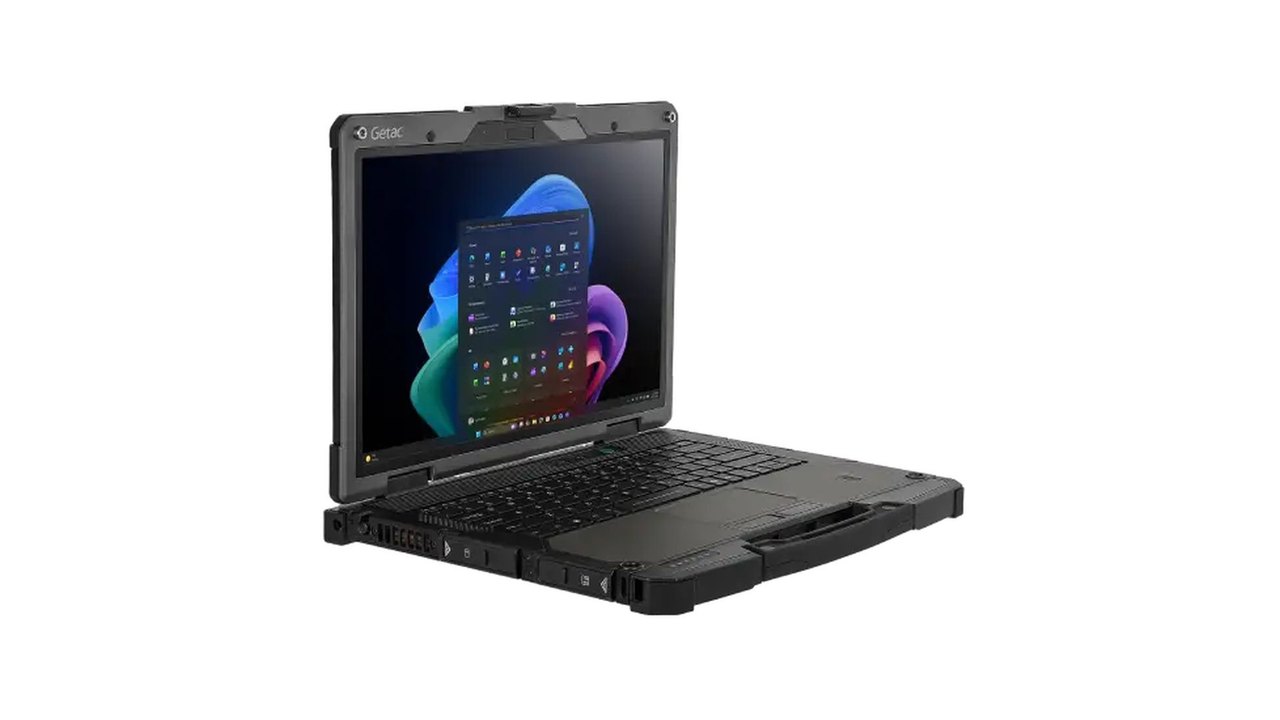 Getac Announces New Rugged Notebooks Aimed at Defense and Industrial Markets
 Ultraviolette Unveils X-47 Venom: A Shift Toward the Modular VX 100 Platform
 Google Reports Five-Year Peak in Search Query Growth Driven by AI
Related coverage
Related reporting available at publication.
US Defense Secretary Removes Top Pentagon Military Planner Amid Iran Strike DiscussionsGetac Announces New Rugged Notebooks Aimed at Defense and Industrial MarketsUltraviolette Unveils X-47 Venom: A Shift Toward the Modular VX 100 PlatformGoogle Reports Five-Year Peak in Search Query Growth Driven by AI How AI Drones Are Influencing the Ukraine War
 Navigating Google's Gemini AI Lineup: Which Model Should You Use?