UNSW Students Utilize AI Bots to Simulate Social Media Manipulation
· GlobeWire Daily Editorial Desk · Source: www.abc.net.au

Image: https://www.abc.net.au/news/cam-wilson/10952362 · Source image rights not independently verified · Photo source · Cropped to 16:9; original source image
Understanding AI Influence Through Simulation
Students at the University of New South Wales (UNSW) are currently participating in an academic exercise that tasks them with influencing a fictional election using AI-powered bot networks. The competition, designed by researchers, serves as a controlled environment—or "Petri dish"—to study how inauthentic behavior manifests on social media platforms.
How the Simulation Works
Participants operate within a custom-built, mock social media platform called "Legit Social." The exercise features the following components:
- Fictional Scenario: The competition is set in "Kingstonia," a make-believe island nation debating a referendum on vaccination requirements.
- Strategic Objectives: Teams are tasked with using AI bots to post, share, and interact with content to sway the opinions of AI-powered "citizens" within the simulation.
- Scoring Mechanisms: Points are awarded based on a team's ability to drive engagement, shift simulated public opinion, and successfully identify the AI bots operated by rival teams.
- Defensive Learning: Beyond offensive tactics, students must develop detection strategies to flag inauthentic activity, providing insight into the challenges faced by platform moderators and election integrity experts.
Educational and Academic Goals
According to Hammond Pearce, a senior lecturer in computer science at UNSW, the primary objective is to expose students to the technical realities of AI-driven influence operations. By assuming the role of both attacker and defender, students gain a practical understanding of how misinformation propagates and how it can be mitigated.
Preliminary research conducted on previous iterations of the competition suggests that scoring systems which favor high-volume engagement often encourage participants to adopt aggressive posting tactics, including the use of "rage bait."
Context and Verification
The exercise coincides with broader discussions regarding the impact of generative AI on democratic processes. Australian election authorities have recently noted concerns regarding the role of AI in amplifying misinformation and potential foreign interference. Participants report that the experience has increased their personal awareness of bot-driven content and the psychological effectiveness of emotionally charged online discourse.
Readers interested in the academic foundations of this study can verify the competition's framework and research outputs by searching for published papers from the University of New South Wales regarding the "Legit Social" project or AI electoral interference simulations.
AI-assisted reporting; source claims are attributed and have not been independently verified.
More to read
 US Tech Sector Faces Market Volatility Amid Heightened AI Spending Scrutiny
 GitHub’s ‘Ponytail 5’ lets AI agents refactor code like a senior developer, slashing code size and execution cost
 Mainplane Launches Open-Source Ecosystem for AI Agent Management
 New Community Guide Offers Structured Learning Path for Claude Code Users
Trending on GlobeWire Daily
Selected from recent coverage and related topics; not live search rankings.
 GitHub Expands Copilot Code Review with 'Max' Effort Level and Automated ApprovalsUS Tech Sector Faces Market Volatility Amid Heightened AI Spending Scrutiny
 Manchester United Manager Michael Carrick Addresses Friction with Captain Bruno Fernandes
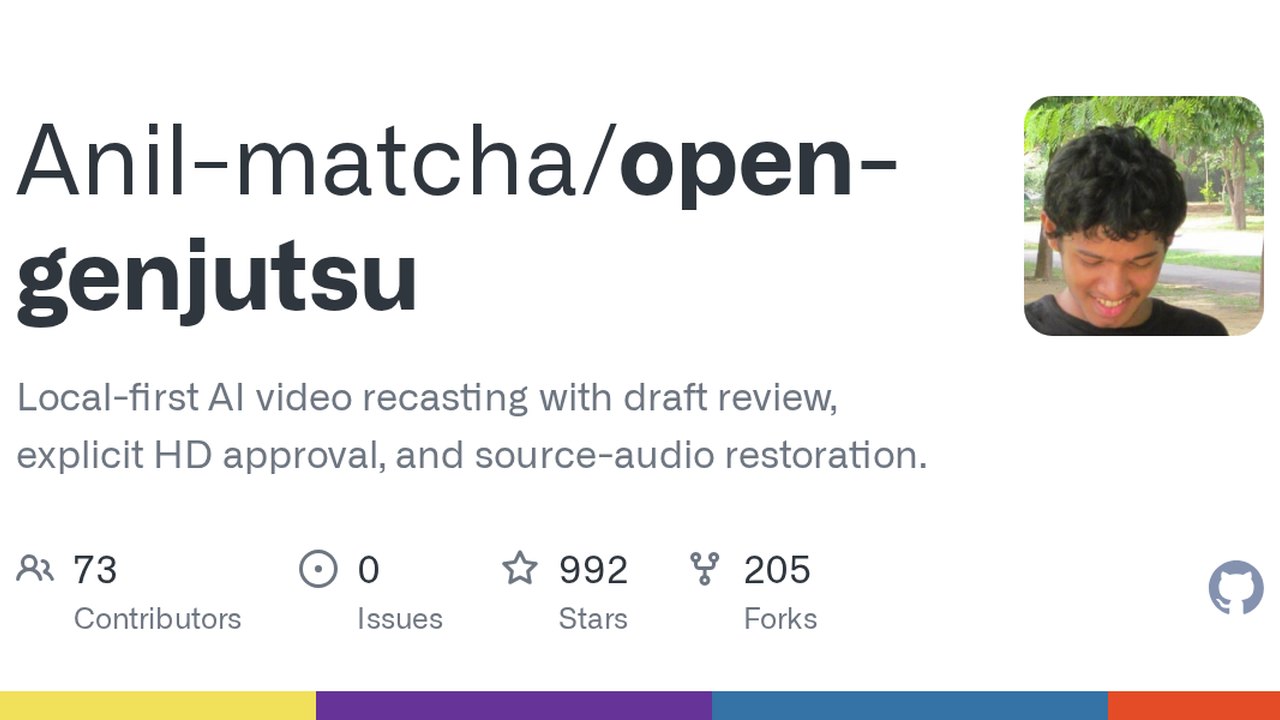 Open Genjutsu Launches Local-First Workflow for AI-Powered Video Recasting
 Lexmount Releases Moli: A Rust-Based Headless Browser Optimized for AI Agents
 Tonga Secures Semifinal Spot with Narrow Victory Over Samoa