GitHub Details Infrastructure Progress, Regional Migrations, and Recent Outages in Availability Report
· GlobeWire Daily Editorial Desk · Source: github.blog
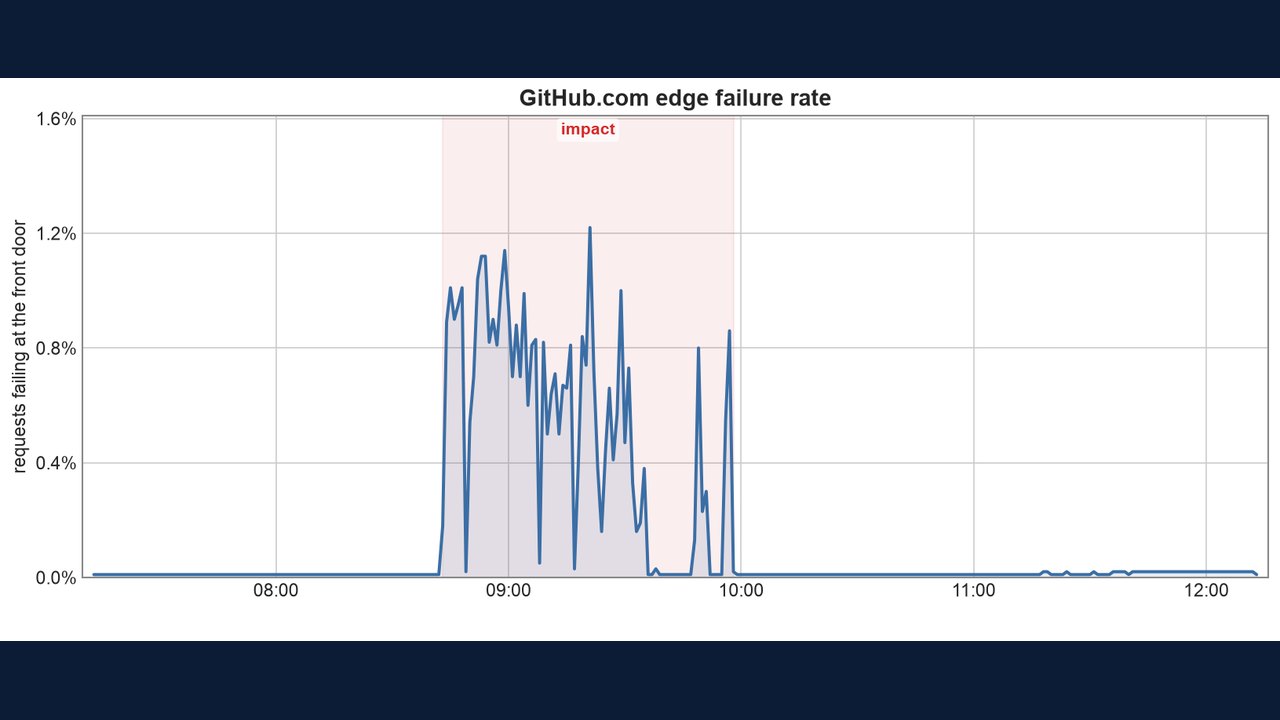
Image: Jakub Oleksy · Photo source · Resized and letterboxed to 16:9; no AI generation
GitHub published its availability report covering August and September 2026, detailing infrastructure updates, workload migrations to Azure, and operational incidents that affected users.
According to the report, GitHub addressed shared-database pressure, introduced overload controls, expanded failure containment for pull requests, and migrated more production workloads to Azure. By October 7, 120 of 160 production services were deployed in Central US, and 13 of 51 primary MySQL databases had moved. Deployments in Central US were temporarily paused on September 11 due to uneven capacity across availability zones, and a missed migration target means work continues toward a goal of unlocking all available capacity by the end of October.
Database and Performance Improvements
- Reduced Database Load: Migrating 24 authentication-core tables off GitHub's oldest shared database removed approximately one million queries per second from its replicas.
- Storage Cleanup: The database cluster supporting issues and pull requests removed approximately 980 million unnecessary edit-history rows, creating an estimated 1.8 terabytes of recoverable storage.
- Reduced Deadlocks: Weekly deadlocks fell approximately 77% from their June peak.
- Actions Optimization: Production changes reduced measured Redis operations by approximately 28% and relative CPU by approximately 30%. An infrastructure cache reduced Redis bandwidth by 84% and average response time by 66%.
Notable Incidents
- September 13 (1 hour, 28 minutes): A background data-cleanup job increased load on a shared database. A safeguard failed to account for incoming load on the primary server, causing it to reach its connection limit. Lack of quick timeouts and a retry loop for token creation delayed recovery.
- September 28 (52 minutes): A change to the Copilot code review service sent limited copies instead of full review results to some customers. The issue went undetected until reviews remained incomplete for more than 30 minutes, triggering alerts before the change was reverted.
Practical Implications and Verification
Users and organizations relying on GitHub's core services, Actions, and Copilot features experienced intermittent disruptions during these incidents. GitHub stated that its guiding principle remains "availability, then capacity, then features."
To verify updates or check real-time status changes, readers should consult the official GitHub Status page and review the engineering section on the GitHub Blog.
AI-assisted reporting; source claims are attributed and have not been independently verified.
More to read
 GitHub is Rebuilding Its Git Infrastructure for Agent-Scale Development
 GitHub Repository Details Sandbox Extension TOCTOU Bug Involving Symlinks
 GitHub Announces General Availability of Public Monitoring for Enterprises
 GitHub Availability Report: August 2026 Overview
Trending on GlobeWire Daily
Selected from recent coverage and related topics; not live search rankings.
 Madhya Pradesh Government Plans Revenue Generation from 117-Year-Old Edward Villa in Mumbai Through Leasing
 iPhone 18 Pro Named TechRadar Product of the Year 2026
 Google Project Suncatcher Runs Gemma 4 AI on Orbiting Satellite and Receives First Response
 Gender Disparities in Eye Care Access Across India Examined
 Satellite Images Show Cyclone Arnab Weakening Over India As New System Brews
 Expanding Green and Blue Spaces Crucial for India's Economic and Public Health, Reports Indicate