GitHub Expands Public Monitoring with Triage, Validity Checks, API, and Webhooks
· GlobeWire Daily Editorial Desk · Source: github.blog
Image: The GitHub Blog · Photo source · Resized and letterboxed to 16:9; no AI generation
GitHub announced updates to its public monitoring features for enterprise security dashboards, adding alert management, automated validity checks, REST API access, and enterprise webhooks. According to the announcement, these capabilities are currently available in public preview for GitHub Enterprise Cloud customers.
Public monitoring is included at no additional cost for organizations with a GitHub Advanced Security or GitHub Secret Protection license. Enterprise administrators and security managers can enable and configure these settings directly from the enterprise security dashboard.
Core Alert Management Features
Enterprise security teams can now triage findings using expanded management options:
- Dismiss and Reopen: Close alerts as Dismissed or Fixed with optional explanatory comments, or reopen them if circumstances change.
- Activity Timeline: Track an audit trail detailing all actions and state changes applied to an alert.
- Filter and Sort: Narrow down alerts by repository, committer, secret type, attribution method, and state to prioritize relevant exposures.
GitHub clarifies that closing an alert updates its state within the enterprise dashboard only. It does not automatically revoke the exposed credential or remove the leaked data from the public repository.
Automated Validity Checks
The update introduces ongoing, automated token validity checks for supported secret types. Alerts categorize credentials as Active, Inactive, or Unknown, helping security teams identify and prioritize live tokens that pose immediate risks.
Integration via API and Webhooks
To support custom incident response workflows, GitHub introduced programmatic access methods:
- REST API: Enterprise admins and security managers can query attributed findings programmatically to retrieve metadata, secret types, attribution details, and exposed locations.
- Webhooks: Organizations can subscribe to enterprise-level webhook events to receive real-time notifications when newly detected leaks are attributed to them.
Practical Implications and Verification
These features assist enterprises in managing leaked secrets at scale by combining triage workflows with automated validation and external tool integration. Teams can verify original announcements, review technical guides, and participate in discussions through the GitHub Community or by subscribing to the official developer newsletter.
AI-assisted reporting; source claims are attributed and have not been independently verified.
More to read
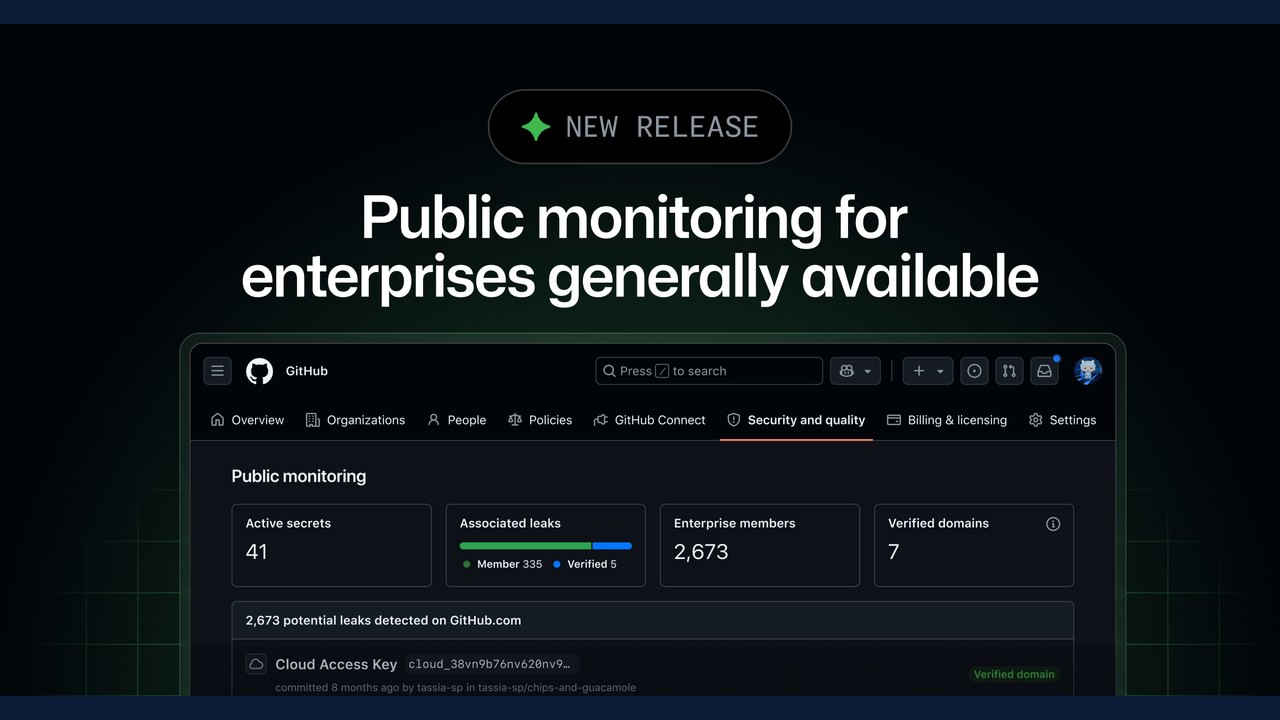 GitHub Announces General Availability of Public Monitoring for Enterprises
 GitHub Updates Copilot Usage Metrics API to Include Additional Developer Tools
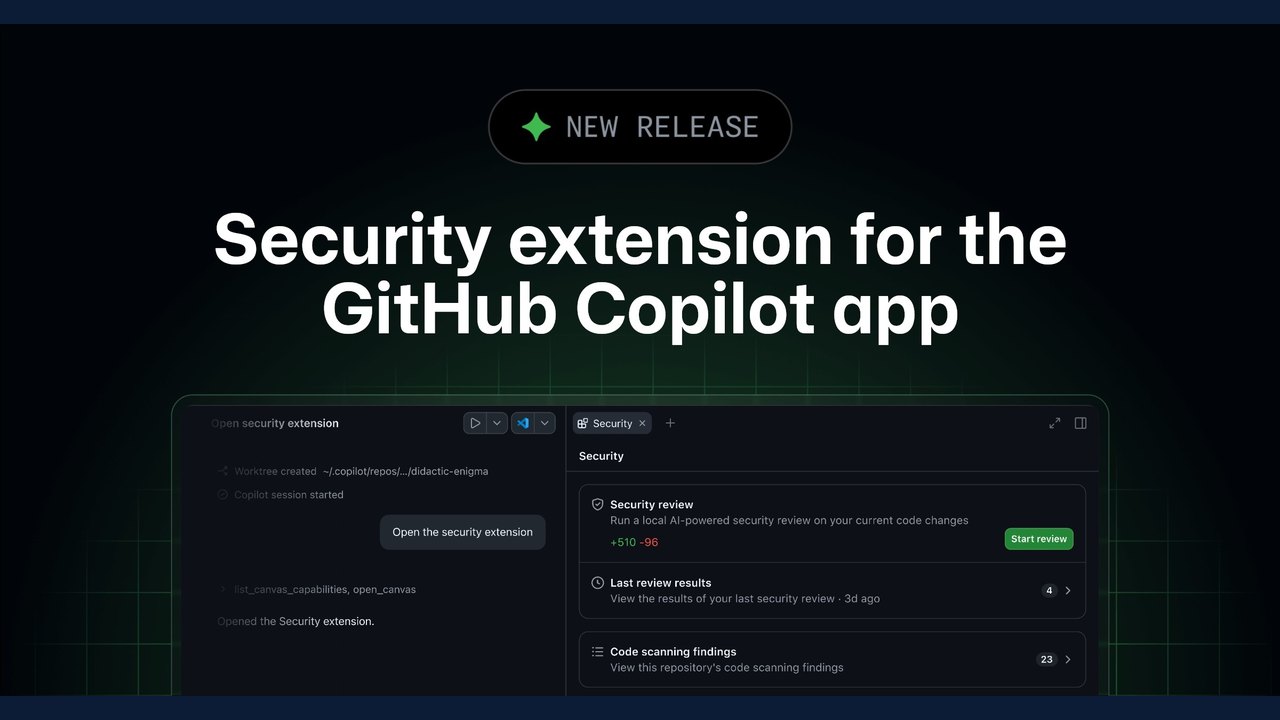 GitHub Introduces Security Extension for the Copilot App in Public Preview
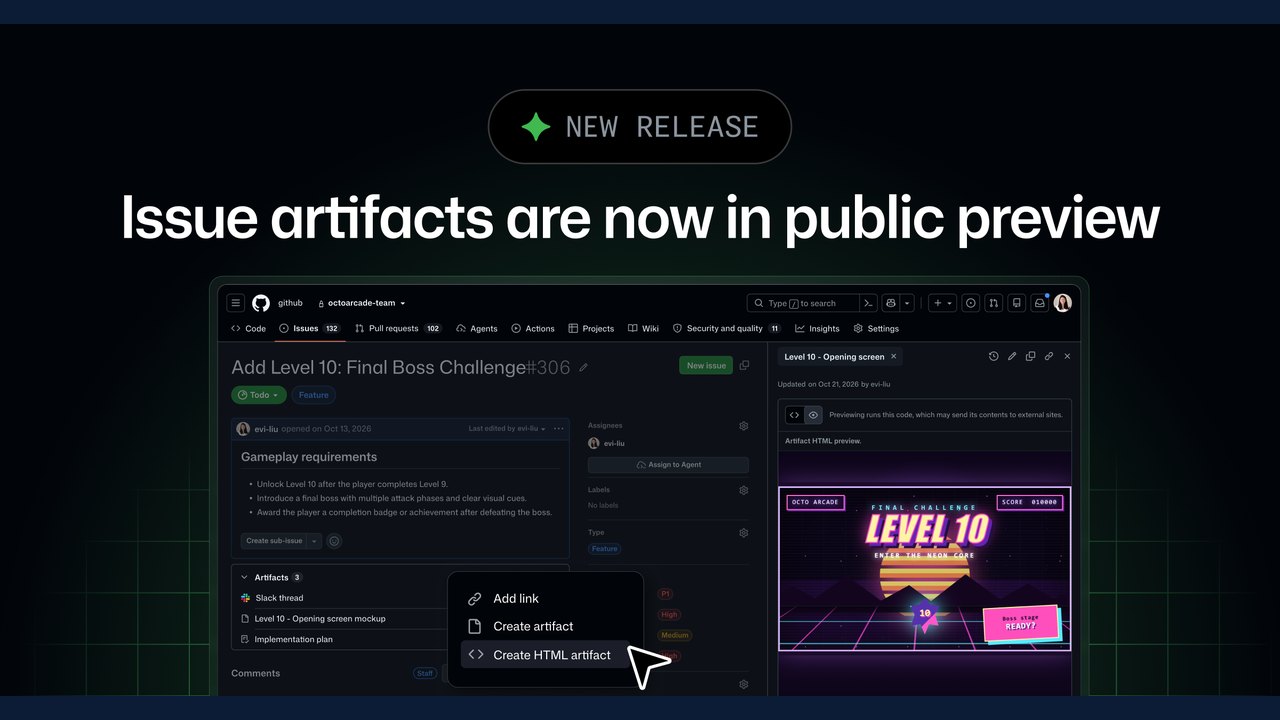 GitHub Introduces Public Preview for Issue Artifacts
Trending on GlobeWire Daily
Selected from recent coverage and related topics; not live search rankings.
 Madhya Pradesh Government Plans Revenue Generation from 117-Year-Old Edward Villa in Mumbai Through Leasing
 iPhone 18 Pro Named TechRadar Product of the Year 2026
 Google Project Suncatcher Runs Gemma 4 AI on Orbiting Satellite and Receives First Response
 Gender Disparities in Eye Care Access Across India Examined
 Satellite Images Show Cyclone Arnab Weakening Over India As New System Brews
 Expanding Green and Blue Spaces Crucial for India's Economic and Public Health, Reports Indicate