43% of Indian two-wheeler buyers consider EVs for their next purchase: Report
· GlobeWire Daily Auto Desk · Source: www.indiatoday.in
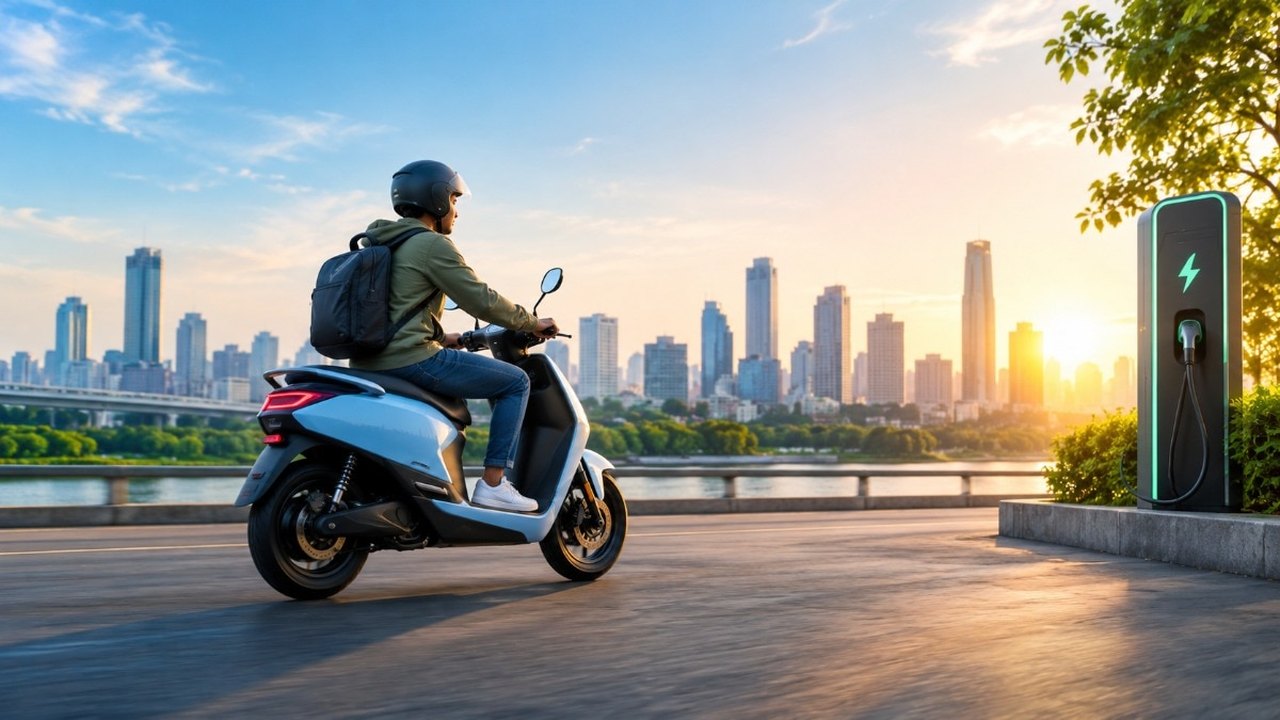
Image: India Today · Photo source · Resized and letterboxed to 16:9; no AI generation
According to a new report by Boston Consulting Group (BCG) titled 'Electric in Charge: How India’s Electric Two-Wheelers Are Moving into the Mainstream', nearly 43 percent of Indian two-wheeler consumers are actively considering an electric vehicle for their next purchase. This reflects an increase from 30 percent in 2024, highlighting growing consumer acceptance driven by improving perceptions of design, performance, and brand trust.
Market Growth and Penetration
India remains the world's largest two-wheeler market, recording sales of approximately 22.19 million units in FY26 with a CAGR of around 12 percent between FY22 and FY26. Key findings from the report and industry bodies include:
- Penetration Growth: BCG data shows electric two-wheeler penetration nearly doubled from 5.5 percent in FY24 to 9.9 percent in FY27 year-to-date (up to August 2026).
- Scooter Adoption: Electric scooter penetration rose from 16.8 percent to 24.1 percent over the same period.
- FADA Data: The Federation of Automobile Dealers Associations reported electric two-wheeler penetration at 11.58 percent in September 2026.
- Monthly Additions: BCG estimates about 180,000 new consumers entered the electric two-wheeler market every month during FY27 up to August 2026.
- Declining Resistance: Consumers not considering an EV fell from 38 percent in 2024 to 29 percent in 2026.
Shifting Perceptions and Consumer Confidence
The BCG report, based on research involving 1,600 current and prospective consumers, notes improvements in how buyers view electric models. For instance, among the 'Convenience Above All' segment, positive associations with good aesthetics rose from 30 percent to 59 percent, and perceptions of good pickup increased from 27 percent to 48 percent. Actual ownership experiences scored high on running costs, maintenance, comfort, and digital features.
However, challenges remain. Safety, battery range, ease of service, and vehicle longevity compared to internal combustion engine (ICE) vehicles continue to be areas where manufacturers need to build greater confidence.
Emerging Demand Spaces
BCG identified 10 distinct demand spaces based on usage patterns, including two new segments:
- Trip Maximizers: Full-time quick-commerce and food-delivery riders focusing on speed, affordability, and manoeuvrability. BCG noted quick-commerce grew at a 120 percent CAGR between 2022 and 2025, reaching US$8 billion.
- Reliable yet Refined: Non-metro Gen Z commuters seeking dependable vehicles for long distances and poor roads without losing style.
Practical Implications and Verification
Manufacturers are advised to tailor products to specific mobility needs while strengthening servicing, battery warranties, and resale support. Prospective buyers can verify original findings and methodological details by reviewing published reports directly from Boston Consulting Group or industry associations like FADA.
AI-assisted reporting; source claims are attributed and have not been independently verified.
More to read
 Expert Advice: Choosing the Right Two-Wheeler for Your Needs
 Indian Cabinet Approves ₹40,000 Crore Project for Eight Next-Generation Corvettes
 Indian Navy to Induct Eight Next-Generation Corvettes Under Rs 40,000-Crore Project
 Hyundai Bayon Trim Details Reveal Feature Variations and Smartphone Limits for Indian Buyers
Trending on GlobeWire Daily
Selected from recent coverage and related topics; not live search rankings.
 Madhya Pradesh Government Plans Revenue Generation from 117-Year-Old Edward Villa in Mumbai Through Leasing
 iPhone 18 Pro Named TechRadar Product of the Year 2026
 Google Project Suncatcher Runs Gemma 4 AI on Orbiting Satellite and Receives First Response
 Gender Disparities in Eye Care Access Across India Examined
 Satellite Images Show Cyclone Arnab Weakening Over India As New System Brews
 Expanding Green and Blue Spaces Crucial for India's Economic and Public Health, Reports Indicate