Discs vs. Disks: Understanding the Technological Differences
· GlobeWire Daily Editorial Desk · Source: www.engadget.com
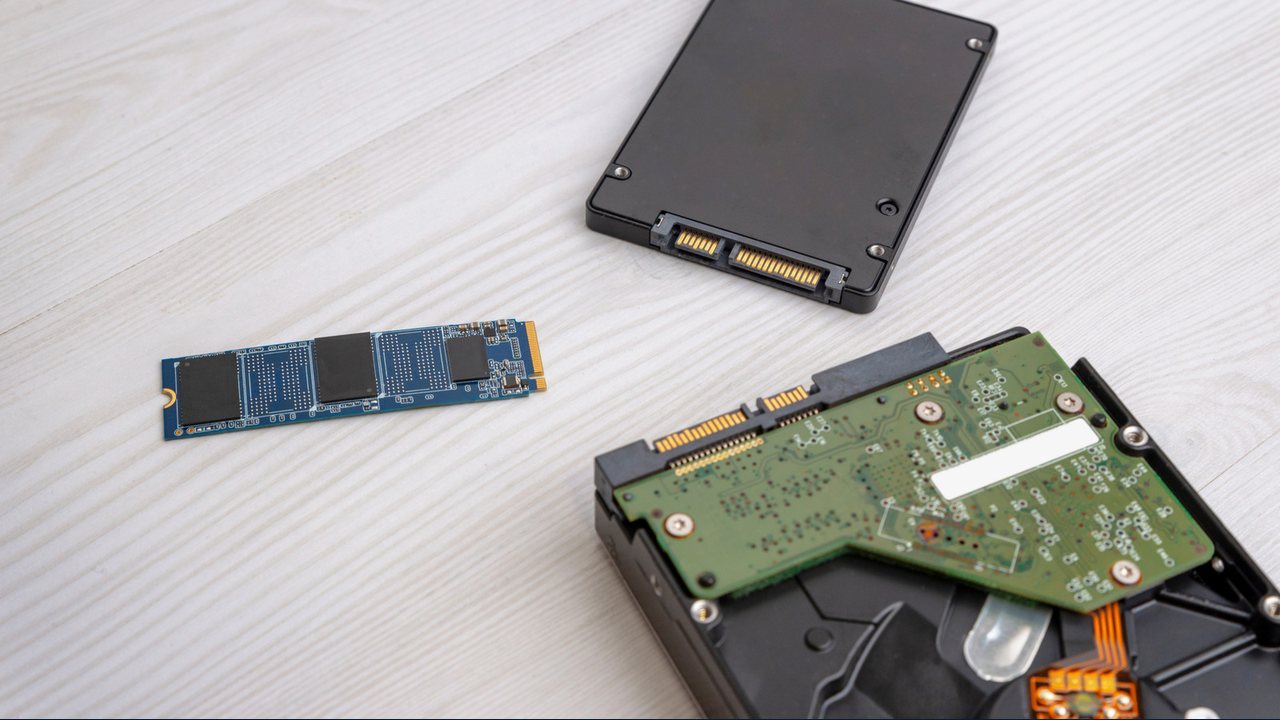
Understanding the subtle spelling differences in technology terminology can reveal distinct technical functions, particularly when examining storage media.
Decoding Storage Terminology
When exploring technology, vocabulary often points to specific underlying mechanics. While some might assume the variations between "disc" and "disk" are merely regional spelling differences like British versus American English, reports indicate these spellings typically denote different categories of data storage technology.
Magnetic Storage and the Letter 'K'
According to technical breakdowns, terms spelled with a 'K' generally relate to magnetic storage media.
- Floppy Disks: Traditional flexible magnetic storage formats.
- Mechanical Hard Drives: Older computer storage utilizing moving parts.
- Solid-State Drives (SSDs): Frequently labeled as disks within operating systems, although many modern SSDs rely on NAND flash memory rather than mechanical moving parts.
Optical Storage and the Letter 'C'
Conversely, spelling the word with a 'C' ("disc") typically designates optical storage formats.
- Audio CDs: Formally known as compact discs.
- DVDs and Blu-ray Discs: Formats used for movies and media playback.
- Video Game Media: Physical game discs used in consoles.
Practical Implications and Verification
While using these terms interchangeably rarely causes major issues in casual conversation, recognizing the difference helps clarify whether a device uses magnetic principles or optical lasers to read and write data. Readers interested in verifying these definitions can consult technical style guides, hardware documentation, or official media format standards organizations.