Automobiles
From 8 MB Thumb Drives to 44 TB Cloud‑Scale Hard Disks: How Data Storage Evolved Since the Early 2000s
· GlobeWire Daily Editorial Desk · Source: www.engadget.com
Summary
The early‑2000s relied on floppy disks, Zip drives and the first 8 MB USB thumb drives. Over the past two decades, consumer hard drives have grown from ~10 GB to 24‑30 TB, commercial drives now reach 44 TB, and flash storage has moved to multi‑terabyte SSDs and micro‑SD cards. Cloud services such as Amazon S3 and Dropbox have shifted most everyday data away from local media.
Early 2000s Storage Landscape
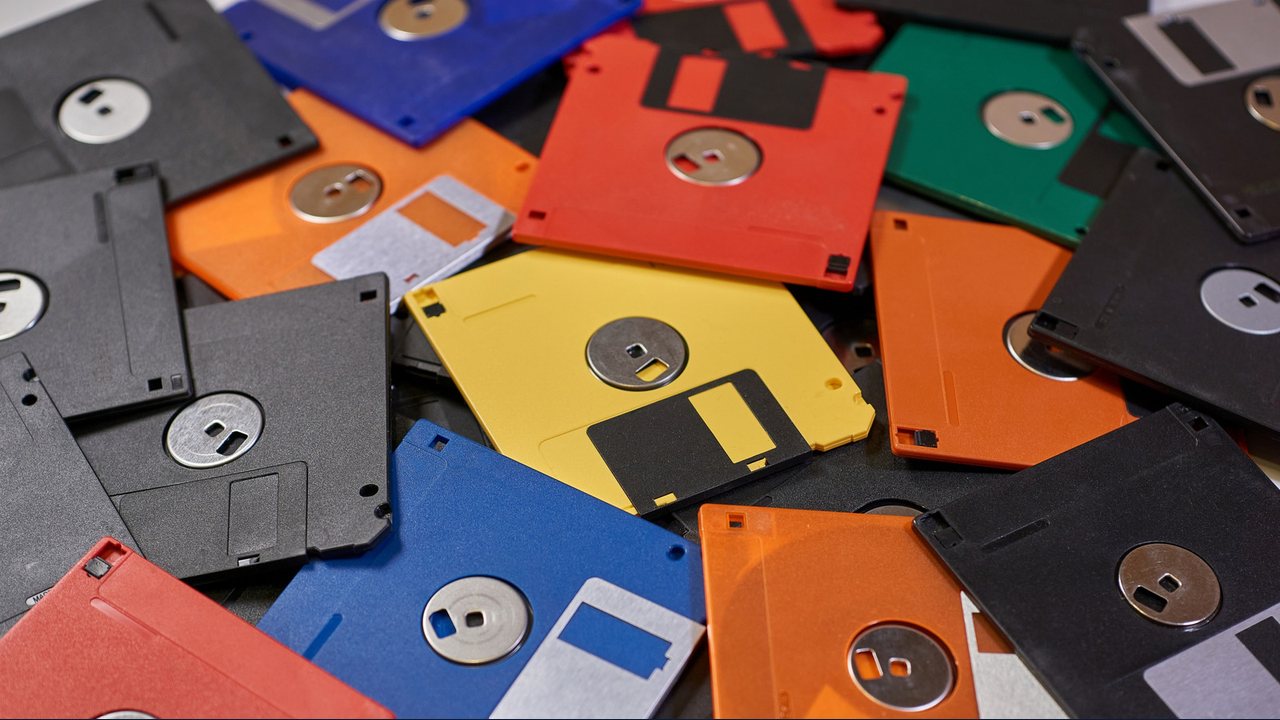
- Floppy disks (1.44 MB) were the default portable medium; production ended in 2011 when Sony stopped making them.
- Iomega Zip drives (100 MB) offered a modest upgrade but suffered the infamous “click of death.”
- First USB flash drives (8 MB) appeared around 2000, marketed as “ThumbDrive” or IBM’s DiskOnKey, and could be plugged into any PC without drivers.
- Consumer hard drives cost less than $60 for 10 GB, roughly $6 per gigabyte.
- CD‑ROMs (≈700 MB) began to replace floppies, while DVDs were still expensive (≈$1,000 burners in 2001).
The Shift to Larger, Cheaper Drives
- By the 2020s, consumer HDDs top out at 24‑30 TB; enterprise models reach 44 TB (Seagate). This is about 4,400 × the capacity of a 10 GB drive from 2000.
- SSD capacity for consumers now approaches 8 TB, and microSD cards of 2 TB can store the equivalent of ~1.4 million floppy disks.
- Prices per gigabyte have risen again after years of decline, according to Gartner, due to strong demand from cloud providers.
Cloud Storage’s Role
- Amazon S3 (2006) introduced pay‑per‑gigabyte storage (≈$0.15/GB/month), initially for developers.
- Dropbox (2008) leveraged the same infrastructure, offering 2 GB free and syncing folders across devices, reducing reliance on physical media.
- Today, most smartphones automatically back up photos to Google, Apple or other cloud accounts, though free quotas fill quickly.
Practical Implications
- For everyday users: Carrying physical media is largely obsolete; rely on cloud sync and backup solutions, but monitor storage limits and costs.
- For professionals: Large‑capacity HDDs are still purchased mainly by hyperscale cloud providers; most businesses use a mix of on‑prem SSDs and rented cloud storage.
- Verification: Check manufacturer specifications (Seagate, Samsung, etc.) and cloud provider pricing pages for the latest capacity and cost figures.
Outlook
- Gartner predicts DRAM and SSD prices could rise 130 % by year‑end, while HDD prices may also climb as cloud demand stays high.
- The trend of “more storage for less money” appears to be slowing, meaning users may need to plan upgrades and cloud budgets more carefully.
--- *All figures are drawn from the Engadget retrospective on data‑storage evolution; no new quotes or unpublished data have been added.*
Share this article
Read the original source What data storage looked like in the early 2000s vs. today