History of Pontiac Firebird Hood Scoops: Function vs. Fashion
· GlobeWire Daily Editorial Desk · Source: www.carscoops.com
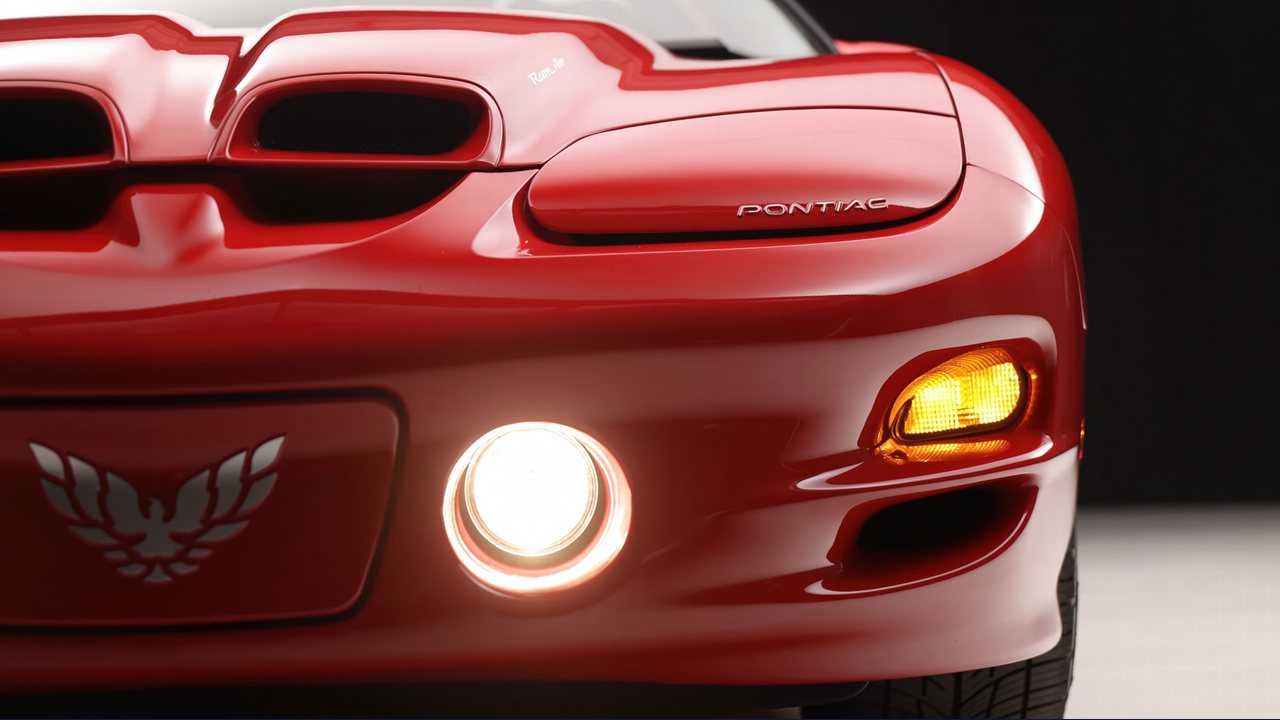
The Pontiac Firebird featured a variety of hood scoops, power bulges, and shaker designs across its 35-year production run from 1967 to 2002. Whether these iconic styling elements were genuinely functional depends entirely on the specific model year, engine option, and the shifting regulatory landscape of emissions and noise laws.
According to automotive history reports, Pontiac engineered several variations of functional cold-air induction systems, while others served purely aesthetic purposes or accommodated engine clearance needs.
Evolution of Functional Scoops
- First-Generation (1967–1969): Early Firebird 400 Ram Air models featured open twin scoops that sealed directly to the air cleaner to feed cooler outside air to the carburetor.
- Second-Generation Trans Am: Introduced a rear-facing shaker scoop, which initially featured a solenoid-operated flapper door to draw air from the base of the windshield during hard acceleration.
- Regulatory Changes: Starting in 1973, tightening noise regulations prompted Pontiac to block off the Firebird's shaker scoop, making it a non-functional piece that still vibrated with the engine through 1981.
- Later Generations: Functional hood induction returned briefly on third-generation Trans Am models with the 5.0-liter V8 between 1982 and 1984. The fourth-generation WS6 Ram Air package (1996–2002) utilized twin-nostril hoods to feed cool air to LT1 and LS1 V8 engines.
Practical Implications and Verification
While enthusiast discussions often debate the performance gains of these designs, historical accounts indicate that real-world benefits from outside air induction were often mild, serving significantly as performance styling and showroom appeal. Readers interested in verifying specific vehicle configurations should consult original factory documentation, build sheets, or marque-specific automotive registries.
To ensure accuracy regarding classic vehicle specifications, enthusiasts should cross-reference multiple reliable automotive archives rather than relying solely on visual inspection, as aftermarket modifications are common on vintage muscle cars.