How Long Can You Expect Synthetic Oil to Last?
· GlobeWire Daily Editorial Desk · Source: www.carscoops.com
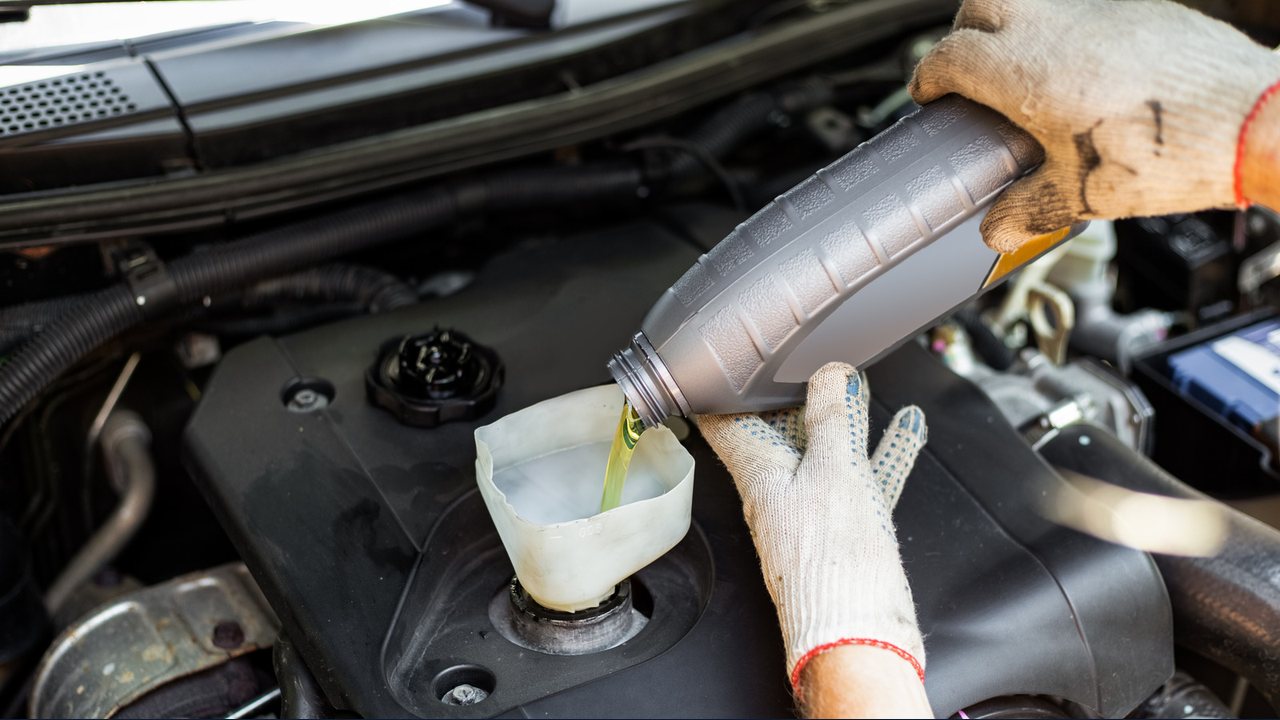
Synthetic motor oil lasts significantly longer than conventional oil, commonly performing between 7,500 and 15,000 miles depending on conditions, though manufacturer guidelines should always guide maintenance.
Unlike older conventional oils that traditionally required changes every 3,000 miles, modern synthetic oils are heavily refined and engineered with additives and detergents. This process helps molecules remain uniform and boosts the oil's ability to lubricate internal combustion engines effectively over extended periods.
General Lifespan and Manufacturer Guidelines
- Standard Mileage: High-quality synthetic oils generally last between 7,500 and 15,000 miles under normal conditions.
- Extended Claims: Some specific synthetic oils are marketed to last up to 20,000 miles.
- Manufacturer Schedules: Always refer to the vehicle owner's manual for specific mileage and timeframes tailored to your model.
Factors Affecting Oil Longevity
Driving habits and environmental conditions heavily influence how quickly synthetic oil degrades. Severe driving conditions often require more frequent changes, sometimes around every 5,000 miles.
- Severe Service Conditions: Frequent short drives under 10 minutes, continuous slow-moving traffic, extreme hot or cold weather, and heavy towing put extra stress on the engine.
- Time-Based Changes: If mileage targets are not met, synthetic oil can still degrade over time. It is generally recommended to change the oil at least every six to 12 months, even if the car is driven infrequently.
Modern Oil Monitoring Systems
Many newer vehicles feature built-in electronic monitoring systems designed to remove guesswork from maintenance. These systems evaluate engine cycles, RPM, idle time, and trip lengths to calculate oil quality. Drivers may see direct dashboard alerts or percentage-based oil life monitors indicating when a change is approaching.
Practical Implications and Verification
Vehicle owners should consult their official maintenance schedules rather than relying on generalized estimates. To verify oil quality, drivers can check dipstick levels and consult certified technicians or authorized service centers.