Router VPN vs. VPN App: Comparing Setup Options for Your Network
· GlobeWire Daily Auto Desk · Source: www.engadget.com
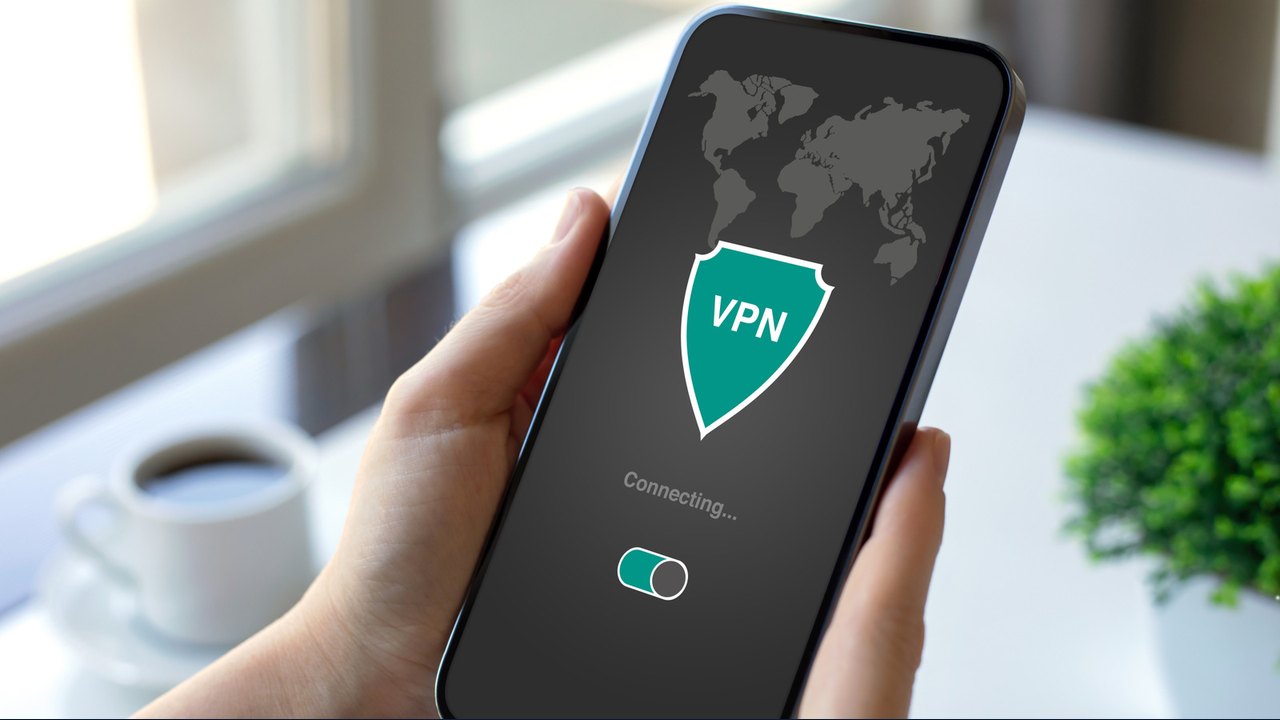
Image: Engadget · Photo source · Resized and letterboxed to 16:9; no AI generation
Choosing between installing a VPN on your router versus using individual apps involves balancing convenience with performance and control. While router-level setups provide network-wide coverage, individual apps offer better speed and flexibility.
Router-Level VPNs
Connecting a VPN directly to your router encrypts traffic for all connected devices. This approach is beneficial for several reasons:
- Device Limits: It uses only one connection slot from your VPN provider, helping you bypass device limits.
- Unsupported Devices: It provides a path to secure devices like game consoles or smart TVs that lack native VPN support.
- Simplified Management: You avoid the need to install and manage apps on every individual gadget.
However, router-based setups often suffer from reduced bandwidth, as many routers lack the processing power to handle encryption at high speeds. Advanced features like policy-based routing (choosing specific traffic to encrypt) exist but are not standard on all hardware.
Individual VPN Apps
Using separate apps on smartphones, laptops, and tablets remains the preferred choice for many users for the following reasons:
- Performance: Personal computers and phones generally have more processing power, allowing for faster speeds.
- Control: You can easily disable the VPN for specific sites or tasks, such as when a website blocks VPN traffic or triggers excessive CAPTCHAs.
- Flexibility: You can select specific servers or countries for each device without affecting the entire household’s connectivity.
Ultimately, a router-level VPN is often best for securing smart home devices that cannot run their own software, while individual apps are better suited for daily usage on primary computing devices where speed and customization are prioritized.
AI-assisted reporting; source claims are attributed and have not been independently verified.
More to read
 Choosing the Right Mid-Size SUV: Comparing Key Options and Ownership Needs
 Meta Tests Direct, a Standalone Chat App Just for Your Instagram DMs
 10 Useful Features Hidden in Your iPhone's Notes App
 Google Gemini App Adds 66 Regional Voice Options