Which Ford EcoBoost Engines Have A Wet Timing Belt?
· GlobeWire Daily Editorial Desk · Source: www.carscoops.com
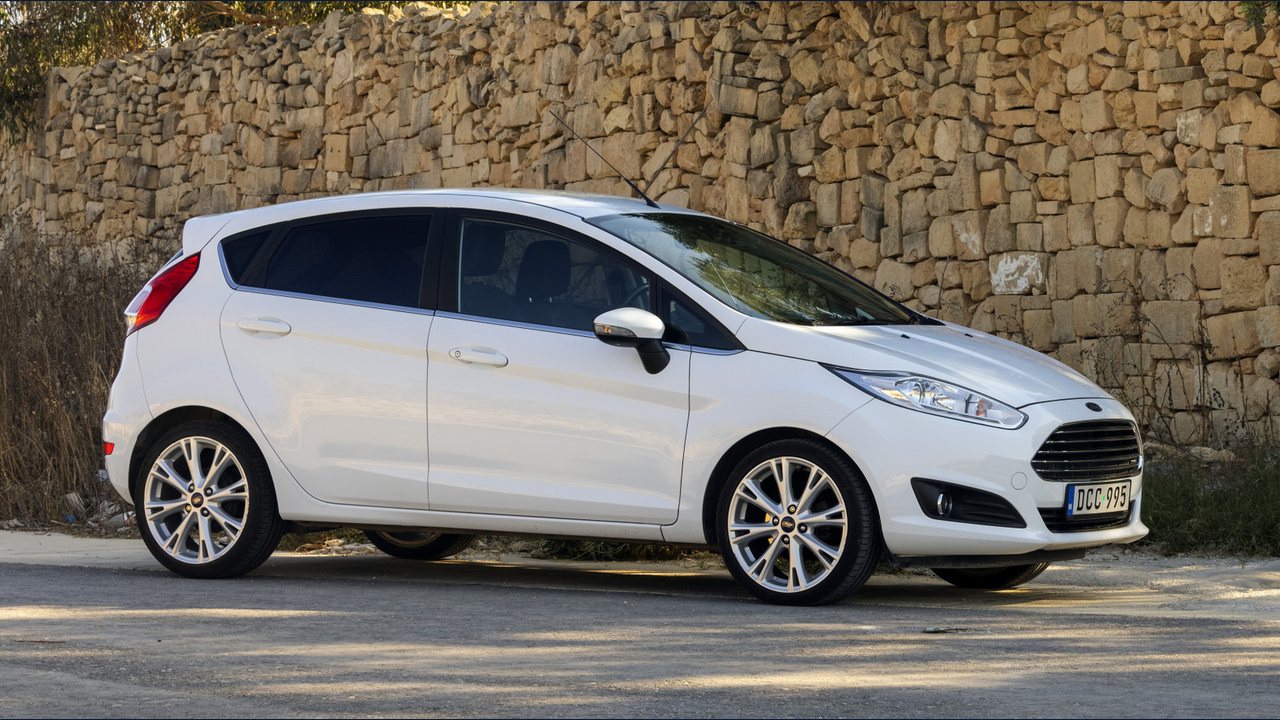
Understanding wet timing belts in Ford vehicles involves examining engine design, specific models affected, and reported reliability concerns.
What is a Wet Timing Belt?
A timing belt drives the camshaft and synchronizes it with the crankshaft. Traditional timing belts run dry, whereas wet timing belts operate in direct contact with engine oil. Ford utilized a special hydrogenated nitrile butadiene rubber belt coated with Teflon for certain engines to withstand constant oil exposure.
Affected Ford Models and Engines
- 1.0-Liter EcoBoost: Found in models including the Mk7 and early Mk8 Fiesta, Mk3 Focus, C-Max, Grand C-Max, B-Max, EcoSport, Mondeo, Transit Connect, Transit Courier, Tourneo Connect, and Tourneo Courier. Ford built this engine for about six years before switching to a timing chain around 2018.
- 1.1-Liter Inline-3: Used in the Mk8 Fiesta sold from 2017 to 2023, featuring both a wet timing belt and a separate oil pump belt.
- 2.0-Liter EcoBlue Diesel: Utilizes a wet timing belt in vehicles such as the Transit, Transit Custom, Tourneo Custom, S-Max, Galaxy, Mondeo, Kuga, and Ranger.
- 1.8-Liter Diesel: Introduced in 2007 for the Mondeo and Transit Connect.
Reliability Concerns and Maintenance
While initially quoted with a service life of 10 years or 150,000 miles, intervals were later shortened by Ford to six years or 100,000 miles. Reports indicate that degradation can occur faster than expected, with belt fragments shedding into the oil, potentially causing sludge build-up and clogged oil passages.
Regulatory Investigations and Verification
The National Highway Traffic Safety Administration (NHTSA) opened a probe in December 2025 following complaints regarding 2015-2017 Ford Fiesta and 2015-2018 Ford Focus models, later upgrading the investigation. Owners can verify their vehicle specifications and service history by checking official manufacturer documentation, maintenance guides, and consulting certified mechanics.