Why You Should Never Spray WD-40 On Squeaking Engine Belts
· GlobeWire Daily Editorial Desk · Source: www.carscoops.com
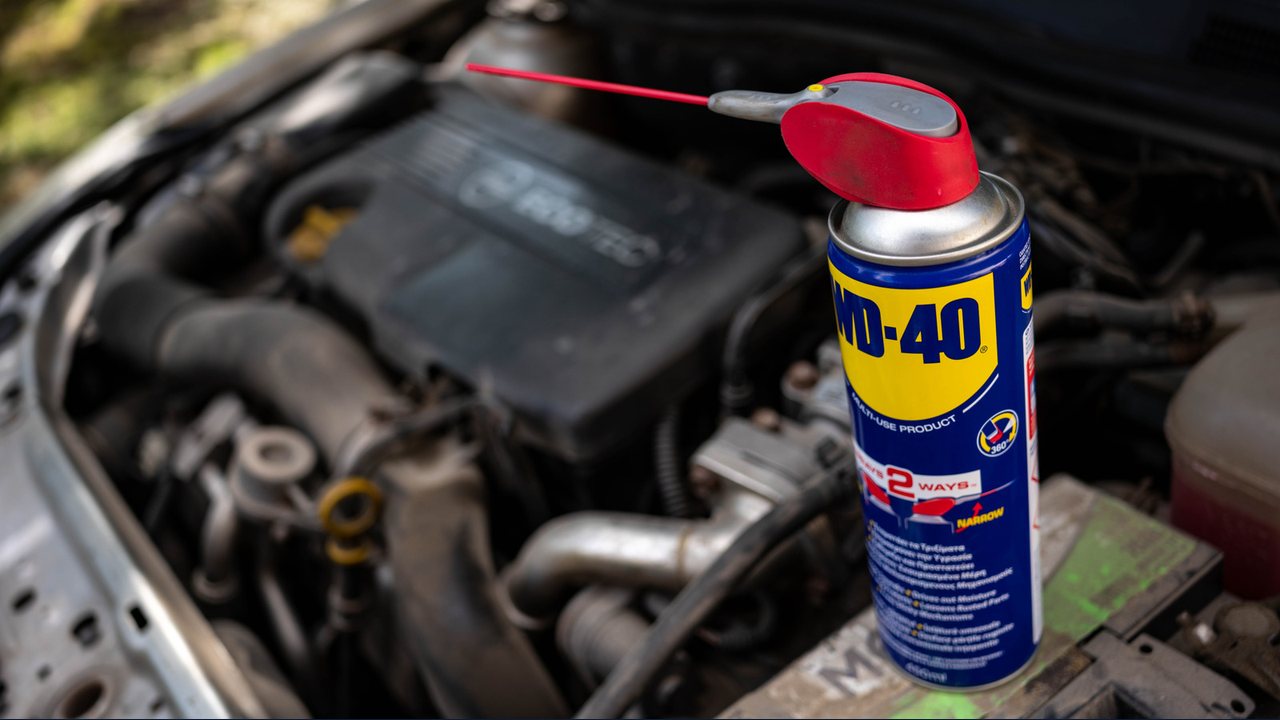
A squeaking or squealing engine belt is a common vehicle annoyance, but reaching for a trusty can of WD-40 to silence the noise can cause more harm than good. Reports and automotive guidance indicate that using the popular multi-use spray on drive belts creates a slick film that leads to belt slippage.
Understanding Engine Belts
Depending on the vehicle, engines typically feature either a large serpentine belt or multiple smaller belts that drive vital components such as the alternator, power steering pump, water pump, and air conditioning compressor. These belts require periodic replacement, with serpentine belts often lasting up to 100,000 miles. Other components, such as timing belts—notably found on engines like Ford's 1.0L EcoBoost—are usually hidden beneath protective covers.
The Risks of Using WD-40
- Slippage Issues: WD-40 leaves a slippery residue that reduces belt grip.
- Component Malfunction: Slipping belts can prevent the alternator from charging properly or disrupt power steering and water pump operations.
- Dirt Attraction: The spray acts as a magnet for grime and dirt, leading to further buildup on the belt surface.
Safer Alternatives and Limitations
Specialized belt dressing sprays are sold by various companies, including WD-40, designed to condition rubber and restore grip. However, opinions on these dressings remain mixed, as some sources note they can potentially damage synthetic rubber used in modern serpentine belts.
Practical Implications and Root Causes
Experts and mechanics emphasize that sprays act merely as temporary band-aids. Squealing noises are often early indicators of belt failure, wear, cracks, or fraying. Alternatively, sounds may originate from failing tensioner or idler pulleys. Vehicle owners noticing these noises are advised to have the vehicle inspected by a professional mechanic rather than relying solely on temporary chemical fixes. Original announcements and product safety guidelines can be verified through manufacturer manuals and automotive service documentation.