Budget 2026: How Savers Can Navigate New Tax Rates and Protect Returns
· GlobeWire Daily Business Desk · Source: www.theguardian.com

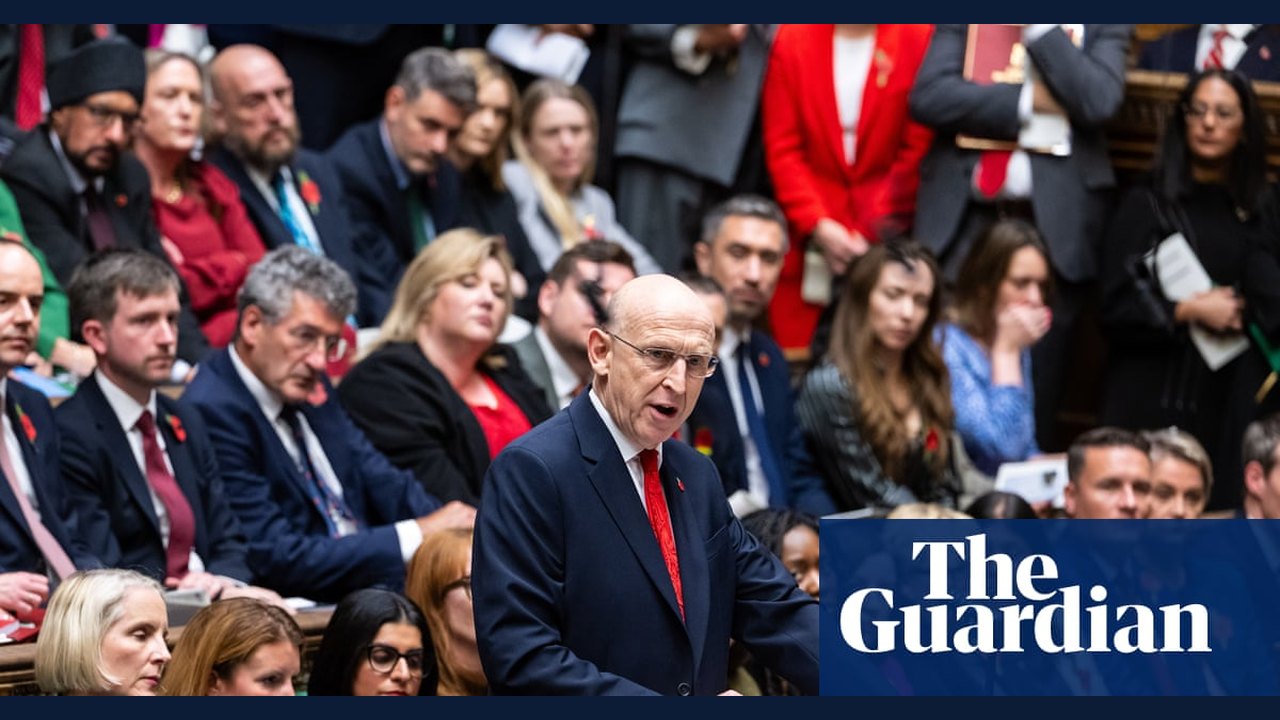
Image: the Guardian · Photo source · Resized and letterboxed to 16:9; no AI generation
According to reported analysis of the recent budget presented by Chancellor John Healey, savers face higher tax rates on savings and property income starting April 6. While a planned reduction in the cash Isa limit for under-65s was dropped, the new budget adds two percentage points to previously announced income tax increases for savers and landlords. Financial experts note that these changes mean basic, higher, and additional rate taxpayers will face new charges of 24%, 44%, and 49% respectively, making it more challenging to beat inflation with standard savings accounts.
To verify official tax rates and announcements, consult guidance published directly by HM Revenue and Customs (HMRC) or official government portals.
Understanding the Impact on Savings
Experts point out that the combination of elevated inflation and higher tax rates increases the gross interest required to maintain the real value of money. For instance, personal finance specialists calculate that basic-rate taxpayers will need higher gross yields to offset inflation and tax combined, while higher and additional rate taxpayers face an even steeper hurdle.
Practical Ways to Protect Savings
Financial advisers suggest several strategies and allowances to mitigate the impact of the interest tax changes:
- Cash Isas: The annual cash Isa limit remains at £20,000 for eligible individuals, offering tax-free growth and protection over time.
- Personal Savings Allowance (PSA): Basic-rate taxpayers can receive up to £1,000 of interest yearly without tax, while higher-rate taxpayers receive up to £500. Additional-rate taxpayers do not receive a PSA.
- Starting Rate for Savings: Low-income earners with other income below specific thresholds may qualify for an additional tax-free savings allowance.
- Spousal Transfers: Couples married or in civil partnerships can review joint assets and transfer savings to a partner in a lower tax bracket, provided the transfer is legal and unconditional.
- Junior Isas: Savers investing for children can utilize Junior Isas, which allow up to £9,000 per year with tax-free returns.
- Pensions and Mortgages: Contributing more to a pension or overpaying a mortgage can reduce adjusted net income and avoid certain tax thresholds.
- Alternative Assets: Government-backed Premium Bonds offer tax-free prizes up to £50,000, and low-coupon short-dated gilts can provide capital gains tax efficiencies through investment platforms.
AI-assisted reporting; source claims are attributed and have not been independently verified.
More to read
 Budget 2026: John Healey Announces £100 Energy Payments and Bank Windfall Tax
 UK Budget 2026: Chancellor John Healey Buys Breathing Space as Tax Burden Rises to Historic High
 Bereaved Families Will Not Face Tax Bill Over Pension Delays Under Budget Changes
 Chancellor Outlines New Tax and Spending Measures in Latest Budget
Trending on GlobeWire Daily
Selected from recent coverage and related topics; not live search rankings.
 Madhya Pradesh Government Plans Revenue Generation from 117-Year-Old Edward Villa in Mumbai Through Leasing
 iPhone 18 Pro Named TechRadar Product of the Year 2026
 Google Project Suncatcher Runs Gemma 4 AI on Orbiting Satellite and Receives First Response
 Gender Disparities in Eye Care Access Across India Examined
 Satellite Images Show Cyclone Arnab Weakening Over India As New System Brews
 Expanding Green and Blue Spaces Crucial for India's Economic and Public Health, Reports Indicate