Guinea's Domestic Gold Refining Mandate Triggers Export Delays and Stockpiling for Major Miners
· GlobeWire Daily Business Desk · Source: africa.businessinsider.com
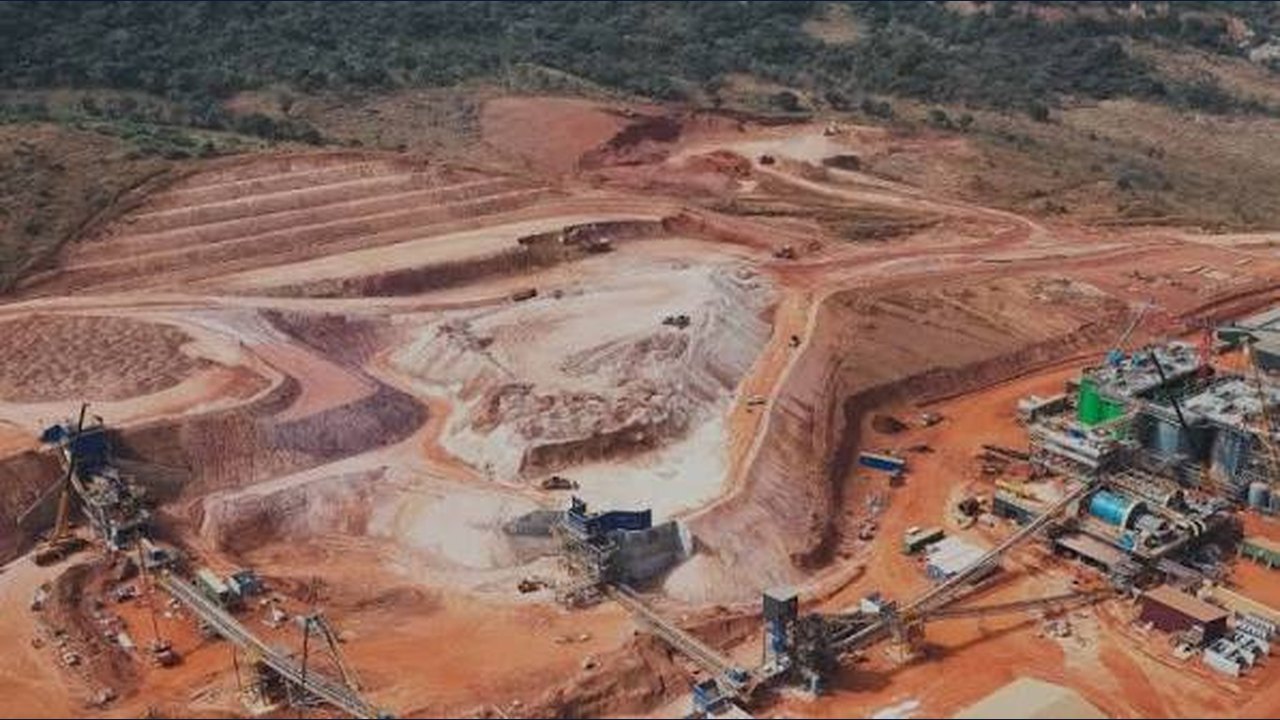
Image: Business Insider Africa · Photo source · Resized and letterboxed to 16:9; no AI generation
Guinea's policy requiring all gold to be refined domestically before export is causing logistical disruptions for major mining companies, resulting in stockpiled bullion worth tens of millions of dollars and tied-up working capital.
Background on Guinea's Export Restrictions
Introduced in June as part of a broader industrialisation strategy, the regulations mandate that gold producers process and certify their output locally. President General Mamady Doumbouya announced the measure, stating that raw gold can no longer leave the country in order to prevent economic value from being lost abroad. Under the framework, miners are restricted to exporting gold only after it has been processed into ingots at a refinery located in the capital, Conakry.
Operational Challenges and Refining Bottlenecks
Industry sources cited by Reuters indicate that the policy has created operational hurdles for major firms such as AngloGold Ashanti, Nordgold, and PDI Gold.
- Inauguration and Deadlines: The Nimba Gold Refinery was inaugurated on November 1, following an October 6 deadline for miners to export existing stocks of unrefined gold.
- Stockpiling: Slow administrative processes and a sluggish start to domestic refining operations have forced producers to hold back inventories valued at tens of millions of dollars.
- Working Capital: One mining executive reported accumulating over 20,000 ounces of bullion across six weeks, necessitating doubled insurance coverage.
Government Response and Wider Strategy
Mines Minister Bouna Sylla confirmed that the refinery has commenced processing operations and stated that the government has appointed an un-named major refiner based in the United Arab Emirates to operate the facility.
Guinea produced approximately 69 metric tons of gold in 2025 and aims to establish itself as a regional refining hub. Concurrently, the government is seeking $1.9 billion from international financiers to build a new deep-water port, supporting broader infrastructure development and mineral export expansion.
Verification and Practical Implications
Stakeholders and observers can verify official policy updates through official government channels in Guinea and international industry reporting. Practically, the current bottlenecks highlight the risks of sudden regulatory shifts for working capital and supply chain logistics in the mining sector.
AI-assisted reporting; source claims are attributed and have not been independently verified.
More to read
 Cylinder Blast Triggers Major Fire in Bhopal's New Market; People Jump to Safety
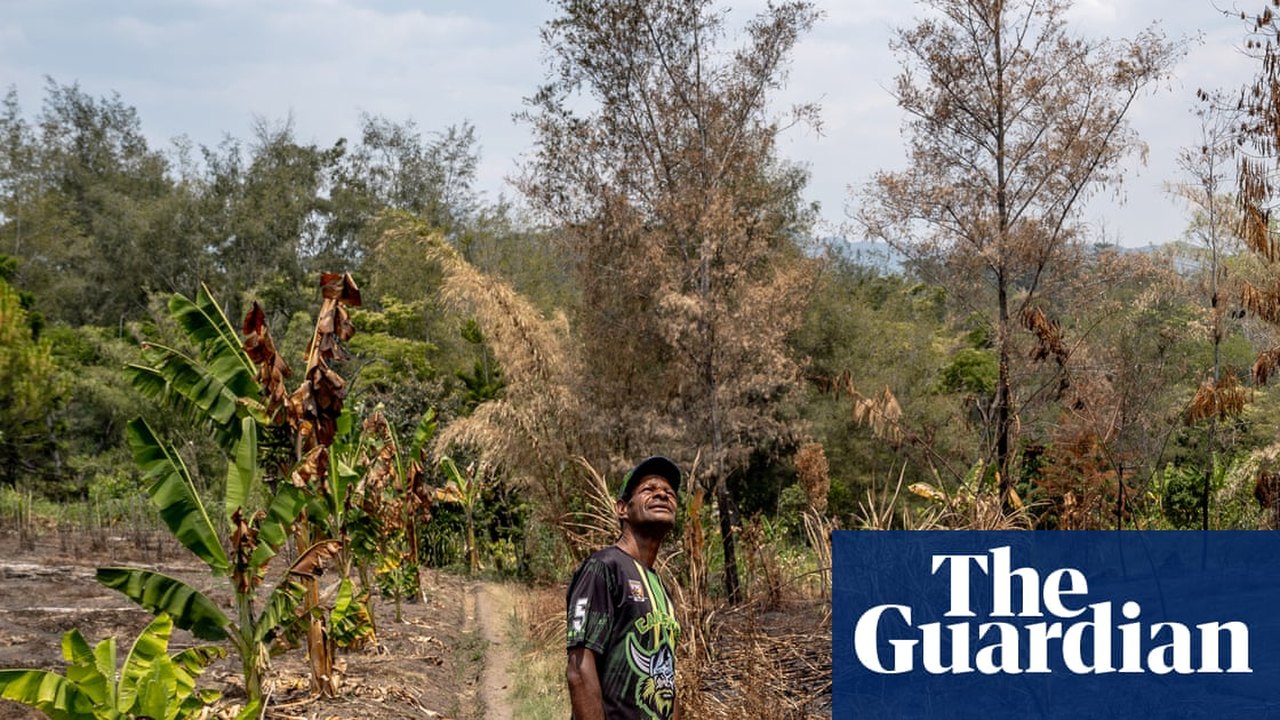 Severe El Niño Drought Triggers National Crisis Warnings Across Papua New Guinea
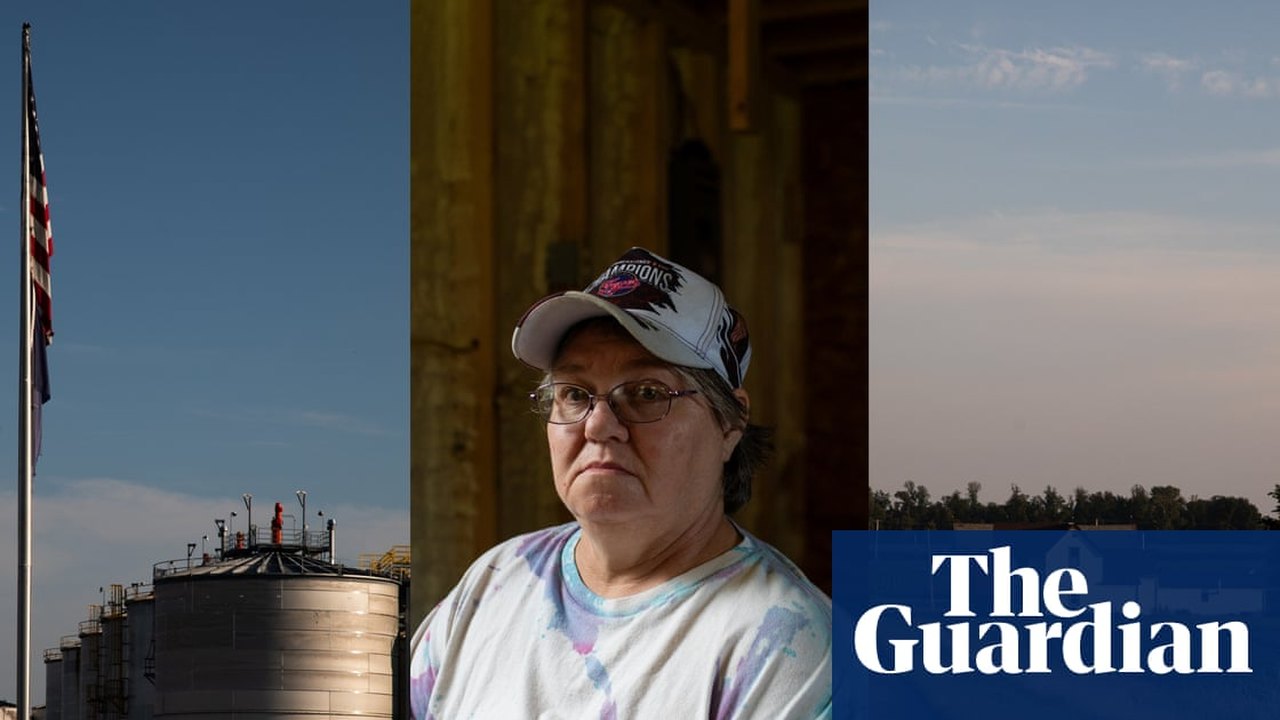 US Carbon Storage 'Gold Rush' Triggers Local Pushback and Environmental Concerns
 Vulnerable Housing Sold as Overseas Investments Amid Inadequate Conditions and Regulatory Delays