Israel's Parliamentary Election Yields No Clear Winner Amid Record Arab Turnout
· GlobeWire Daily Editorial Desk · Source: www.aljazeera.com
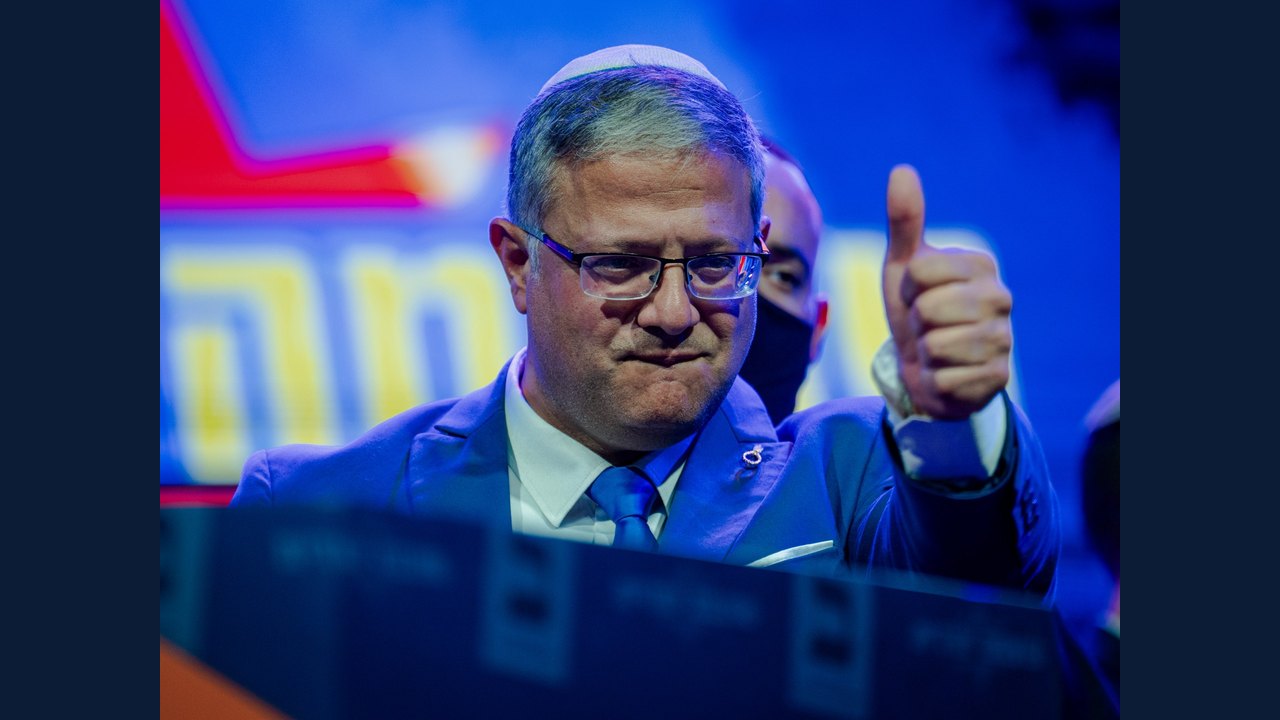
Image: Nils Adler · Photo source · Resized and letterboxed to 16:9; no AI generation
Overview of Israel's Parliamentary Election
Israel’s parliamentary election, held on Tuesday, concluded with no clear winner as nearly 90 percent of the ballots were counted. Official projections indicate that both major political blocs fell short of the 61 seats required to form a governing coalition in the 120-member Knesset.
According to reported tallies:
- Netanyahu’s Bloc: Projected to secure 53 seats.
- Eisenkot’s Opposition Bloc: Expected to win 48 seats.
- Arab-Majority Parties: Achieved a historic high of 19 seats, bolstered by a record turnout of approximately 80 percent among Palestinian citizens of Israel.
This outcome places Arab-majority parties at the center of potential coalition negotiations, despite several major party leaders publicly ruling out governing alongside them.
Candidate Positions and Campaign Rhetoric
The election campaign featured sharply polarized rhetoric from various political contenders regarding governance, security, and minority rights.
- Benjamin Netanyahu (Likud): Prime Minister Netanyahu campaigned heavily on security and warned against coalition governments relying on Arab parties. Following the election, Likud issued statements alleging electoral irregularities by Arab voters—claims that were reportedly dismissed by police and the Central Elections Committee.
- Gadi Eisenkot (Yashar Party): Eisenkot positioned his campaign around removing the current government, maintaining that his bloc represents an alternative to Netanyahu's leadership.
- Naftali Bennett and Yair Lapid (Together Party): Co-leaders of the Together Party criticized Netanyahu's pre-election warnings and declared that the incumbent government had suffered significant losses.
- Itamar Ben-Gvir (Otzma Yehudit) & Bezalel Smotrich (Religious Zionism): Both right-wing figures campaigned on hardline security platforms and expanded settlements, with Smotrich warning against high voter turnout among Palestinian citizens of Israel.
- Joint List & Ra’am: Representing Palestinian citizens of Israel, leaders such as Yousef Jabareen and Mansour Abbas emphasized the necessity of Jewish-Arab partnership while criticizing what they described as inciting scare tactics used to mobilize right-wing voters.
Post-Election Uncertainty
With neither major bloc achieving a majority, coalition arithmetic remains deadlocked. Observers note that forming a government will require navigating deep divisions and potentially relying on factions whose leaders have previously rejected cooperation.
*Note: Official final results and verification of seat distributions are managed by the Central Elections Committee.*
AI-assisted reporting; source claims are attributed and have not been independently verified.
More to read
 Israel Faces Political Deadlock After High-Turnout Election Leaves No Clear Winner
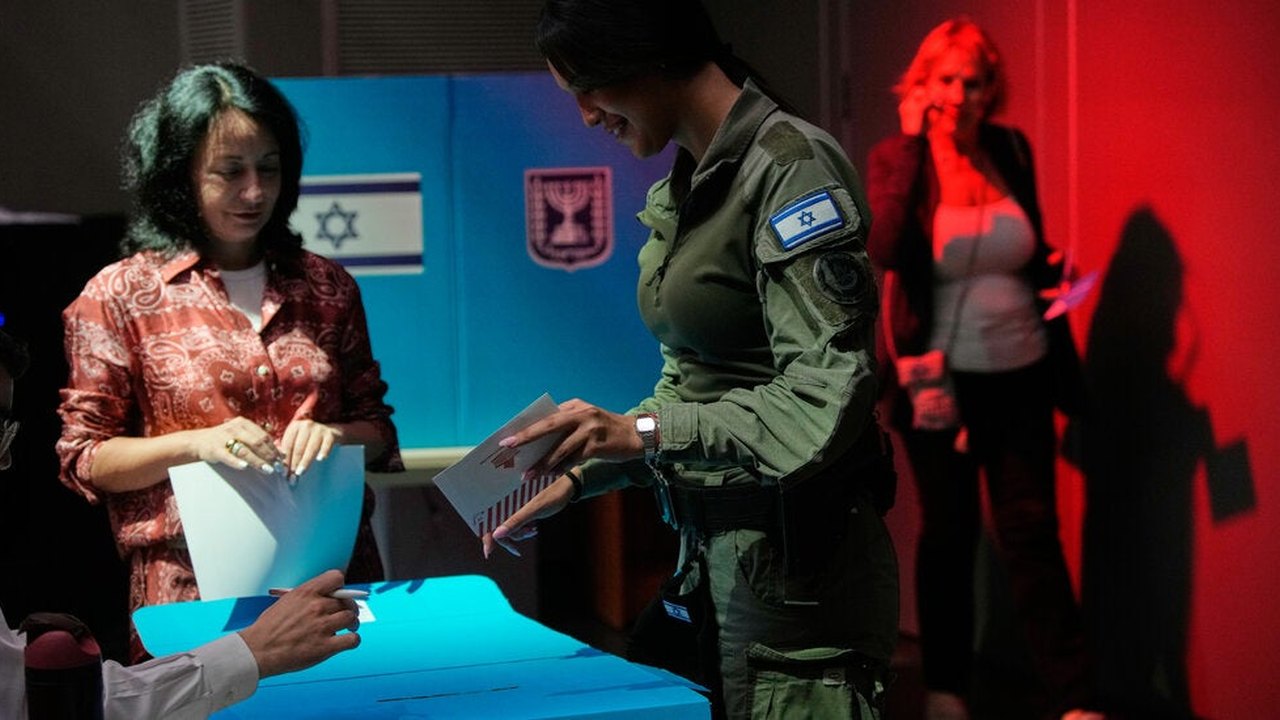 Israel Faces Prolonged Political Stalemate as Election Results Show No Clear Winner
 Israel Records Highest Election Turnout in 50 Years as Polls Close
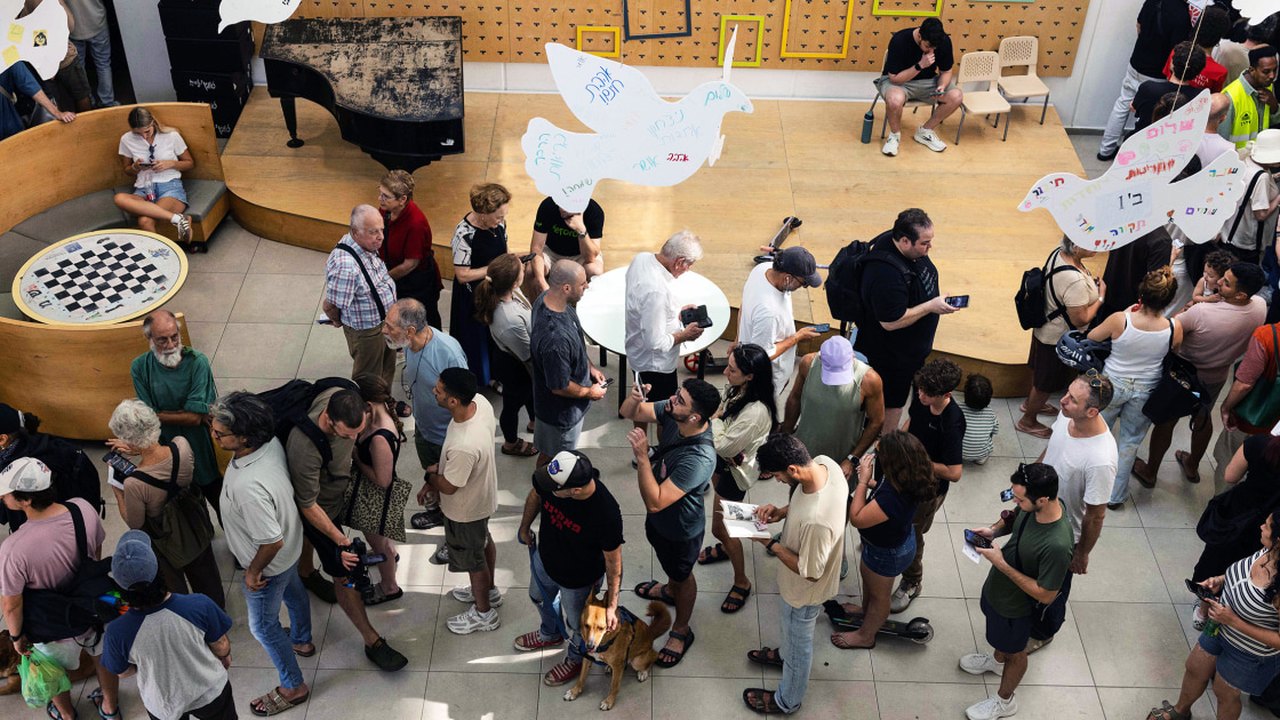 High Voter Turnout in Israel Election Amidst Political Uncertainty
Related coverage
Related reporting available at publication.
Israel Faces Political Deadlock After High-Turnout Election Leaves No Clear WinnerIsrael Faces Prolonged Political Stalemate as Election Results Show No Clear WinnerIsrael Records Highest Election Turnout in 50 Years as Polls CloseHigh Voter Turnout in Israel Election Amidst Political Uncertainty Italy Tightens Security as Nationwide Protests and General Strike Erupt Over Cost of Living and Middle East Wars
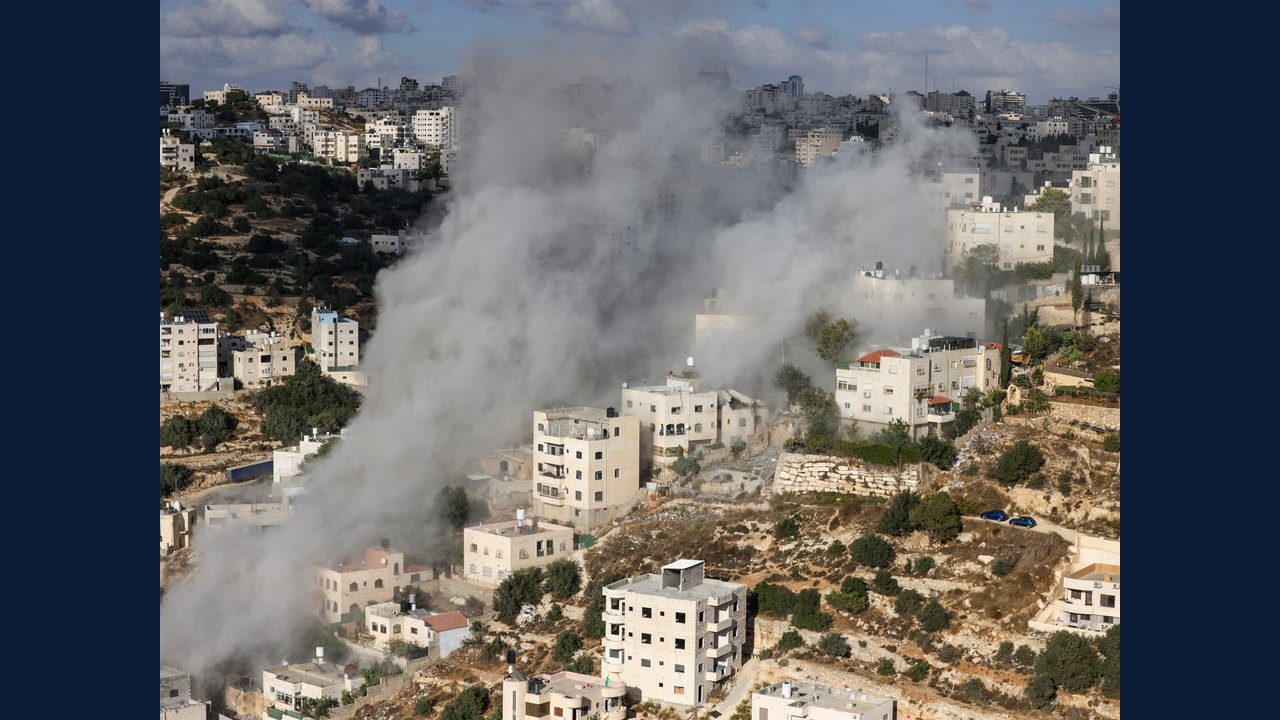 Israeli Forces Demolish Homes in Hebron Amid Ongoing West Bank Military Offensive