Hugging Face Malware Campaign Returns to Hijack GPUs for Crypto Mining
· GlobeWire Daily Editorial Desk · Source: www.bleepingcomputer.com

Image: BleepingComputer · Photo source · Resized and letterboxed to 16:9; no AI generation
Security researchers have reported a recurring malware campaign abusing Hugging Face model repositories to deploy cryptocurrency miners and backdoors on self-hosted GPU infrastructure. This activity highlights emerging supply-chain risks targeting machine learning workflows and AI development tools.
According to findings published by Pluto Security, malicious actors published 31 repositories across seven Hugging Face accounts in two distinct waves starting in September. The campaign relies on the `trust_remote_code` configuration option, which permits models to execute custom Python code upon loading. Instead of utilizing traditional pickle exploits or poisoned weights, the affected repositories contained scripts designed to quietly install cryptocurrency miners, remove competing payloads, and in some instances, open reverse shells to grant unauthorized server access.
Key Details and Findings
- Target Infrastructure: Self-hosted inference servers running frameworks like Xinference and GPUStack.
- Download Metrics: The flagship malicious model accumulated over 28,000 downloads before access was disabled, though researchers note that download counts do not equal confirmed infections.
- Attribution Indicators: Pluto Security attributes the operation to a financially motivated, Chinese-speaking threat actor, citing Simplified Chinese code comments, command-and-control servers hosted on Alibaba Cloud, and activity timestamps aligned with late-night hours in China.
Separate GitHub Threat Targeting AI Agents
In a separate advisory, Air Security detailed a malicious GitHub repository (`SolanaUpdateTools/solana-starter-kit`) active since late 2025. The repository reportedly targets AI coding agents by providing a README file with instructions that prompt the execution of a PowerShell script. This script fetches and runs an in-memory payload that installs NetSupport Manager, a remote-access tool configured to provide persistent attacker access.
Practical Implications and Verification
Organizations utilizing self-hosted AI models or automated coding agents should review their security postures:
- Audit Configurations: Verify whether models are loaded with `trust_remote_code` enabled.
- Check Indicators: Compare system processes and network logs against indicators of compromise published in the original security reports.
- Rotate Credentials: Treat any machine that loaded suspected repositories as compromised and rotate accessible credentials.
To verify original disclosures, consult the security advisories published directly by Pluto Security and Air Security, or review platform-specific repository status updates.
AI-assisted reporting; source claims are attributed and have not been independently verified.
More to read
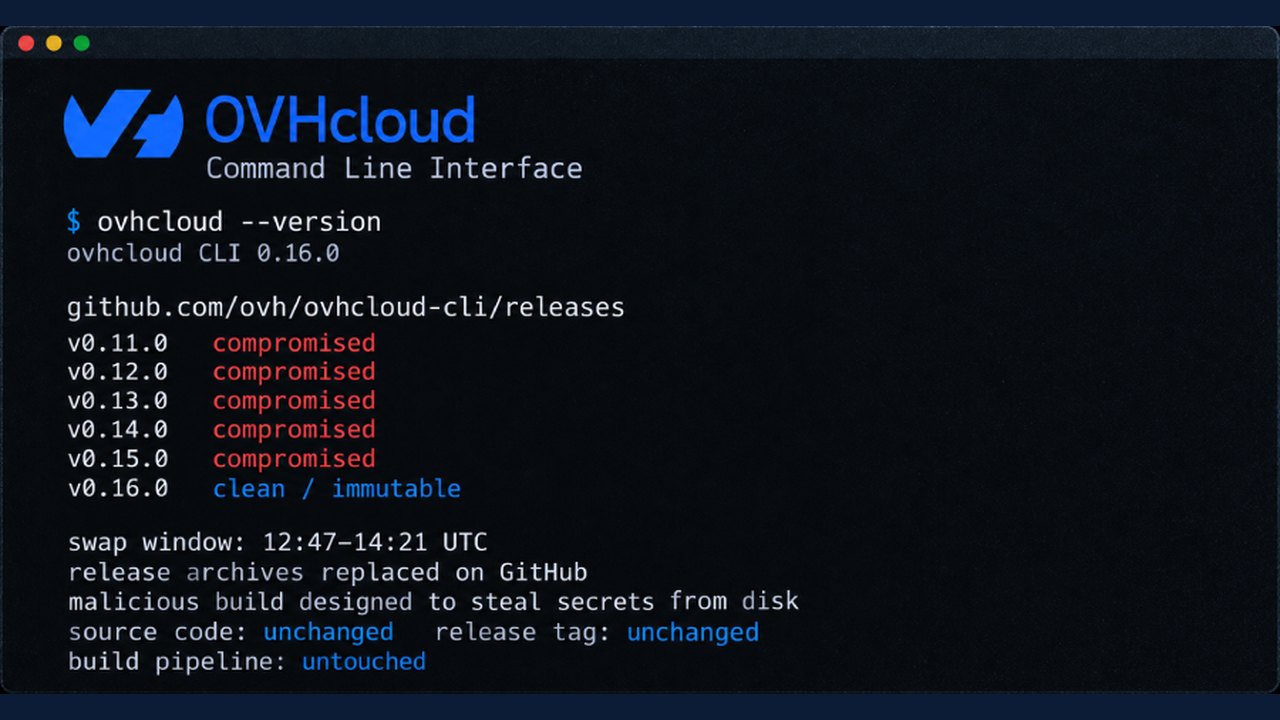 Hackers Hijack OVHcloud CLI Releases to Distribute Secret-Stealing Malware
 Sophisticated Malware Campaign Targets Online Poker Players
 New Cybercrime Campaign Spreads Cryptojacking Malware via Fake AI Apps and SEO Poisoning
 Hugging Face Transitions Tokenizers Library Toward Version 1.0.0
Trending on GlobeWire Daily
Selected from recent coverage and related topics; not live search rankings.
 Madhya Pradesh Government Plans Revenue Generation from 117-Year-Old Edward Villa in Mumbai Through Leasing
 iPhone 18 Pro Named TechRadar Product of the Year 2026
 Google Project Suncatcher Runs Gemma 4 AI on Orbiting Satellite and Receives First Response
 Gender Disparities in Eye Care Access Across India Examined
 Satellite Images Show Cyclone Arnab Weakening Over India As New System Brews
 Expanding Green and Blue Spaces Crucial for India's Economic and Public Health, Reports Indicate