RAND Study Warns Hasty U.S. Withdrawal From Europe Could Hurt American Defense Industry
· GlobeWire Daily Editorial Desk · Source: www.defensenews.com

Image: Michael Scanlon · Photo source · Resized and letterboxed to 16:9; no AI generation
A recent study by the RAND Corporation warns that a rapid and uncoordinated U.S. military drawdown from Europe could severely damage the U.S. defense industrial base over the long term. According to the report, titled "Anticipating Allies’ Responses to U.S. Retrenchment from Europe," such an abrupt shift would erode trust and push key NATO allies toward European or domestic alternatives for military equipment.
Key Findings of the RAND Study
- Impact of Withdrawal Style: The study emphasizes that allies distinguish sharply between a coordinated, orderly reduction of forces and a rapid, uncoordinated pullout that creates capability gaps and perceived security risks.
- Arms Procurement Shift: While a sudden departure might force allies to buy off-the-shelf U.S. gear in the short term to fill immediate gaps, broken trust would drive them toward sovereign and European defense industries over time.
- Alliance Reliability: The report notes that the primary driver for a shift away from American arms would be questions surrounding U.S. reliability as an ally, rather than the loss of specific military capabilities.
Country-Specific Responses
- United Kingdom: British interviewees indicated that a sudden withdrawal would accelerate a reorientation away from U.S. equipment toward sovereign or European options, though officials acknowledge deep industrial ties, such as F-35 components.
- Germany: Having purchased U.S. arms partly to anchor Washington's commitment to Europe, Berlin might see little benefit in continuing to privilege American firms if a rapid withdrawal occurs.
- France: Paris is already considered the most committed among the four allies to reducing reliance on the United States, meaning a pullout would likely have limited impact on French procurement. However, French officials stressed that their military still relies heavily on U.S. enablers like intelligence, surveillance, and reconnaissance (ISR), long-range precision strikes, and logistics during wartime.
Strategic Context and Recommendations
As the Pentagon reviews its forces in Europe—with roughly 80,000 U.S. troops stationed across about 30 bases as of 2025—defense ministers from France, Germany, Italy, Poland, and the U.K. recently issued a joint statement affirming that Europe must assume greater responsibility for its own security while calling the U.S. an indispensable ally.
RAND authors recommend that the United States pursue a predictable, long-term timeline for force adjustments developed in consultation with allies. They caution against using troop levels as transactional bargaining chips or rewards, warning that such approaches undermine regional cooperation and broader strategic goals.
AI-assisted reporting; source claims are attributed and have not been independently verified.
More to read
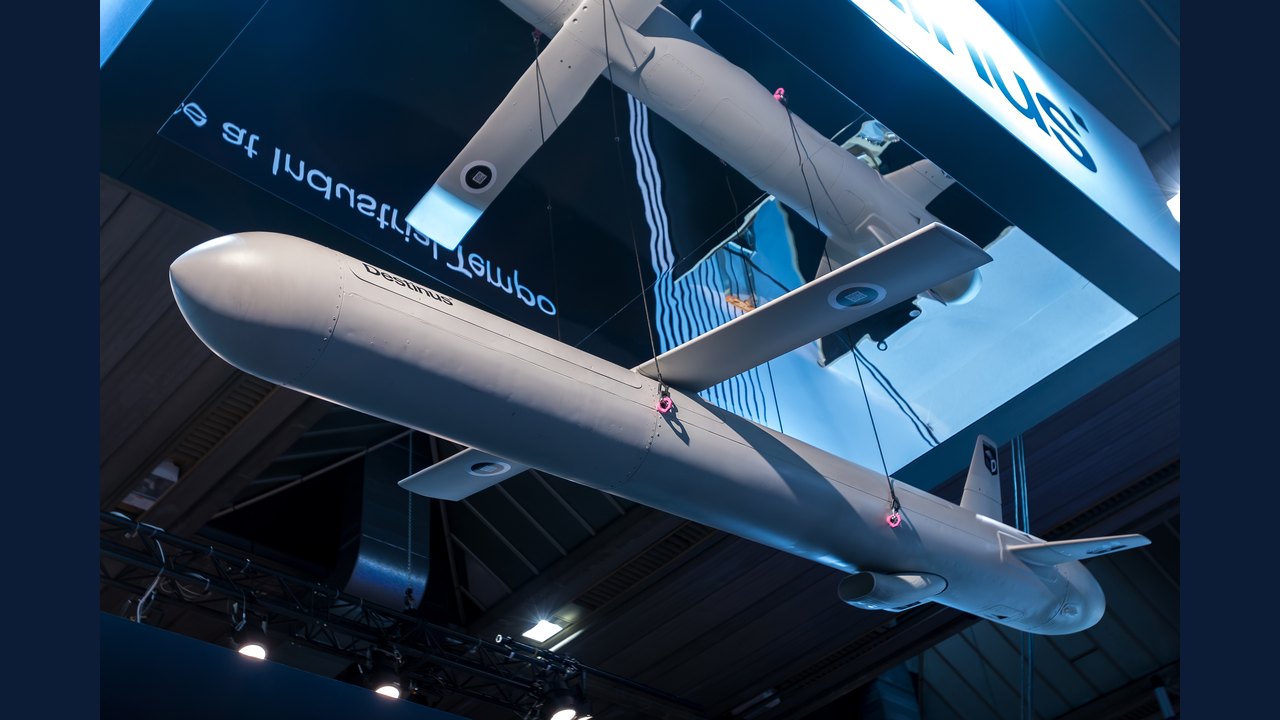 Defense Startup Destinus Reports High Monthly Cruise Missile Production in Europe
 Sir Keir Starmer Warns Europe Must Fund Its Own Defence Permanently
 New Study Suggests AI Chatbot Could Assist Doctors in Clinical Diagnostics
 UN Warns Growing 'Opportunity Divide' in AI Could Exacerbate Global Economic Inequality
Related coverage
Related reporting available at publication.
Defense Startup Destinus Reports High Monthly Cruise Missile Production in EuropeSir Keir Starmer Warns Europe Must Fund Its Own Defence PermanentlyNew Study Suggests AI Chatbot Could Assist Doctors in Clinical DiagnosticsUN Warns Growing 'Opportunity Divide' in AI Could Exacerbate Global Economic Inequality Gulf States Must Reconfigure Trillion-Dollar Defences After US-Iran War, Says Report
 Getac Announces New Rugged Notebooks Aimed at Defense and Industrial Markets