Home Office Rejections Block Afghan Student's Lifeline to Study Medicine in Glasgow
· GlobeWire Daily Education Desk · Source: www.theguardian.com
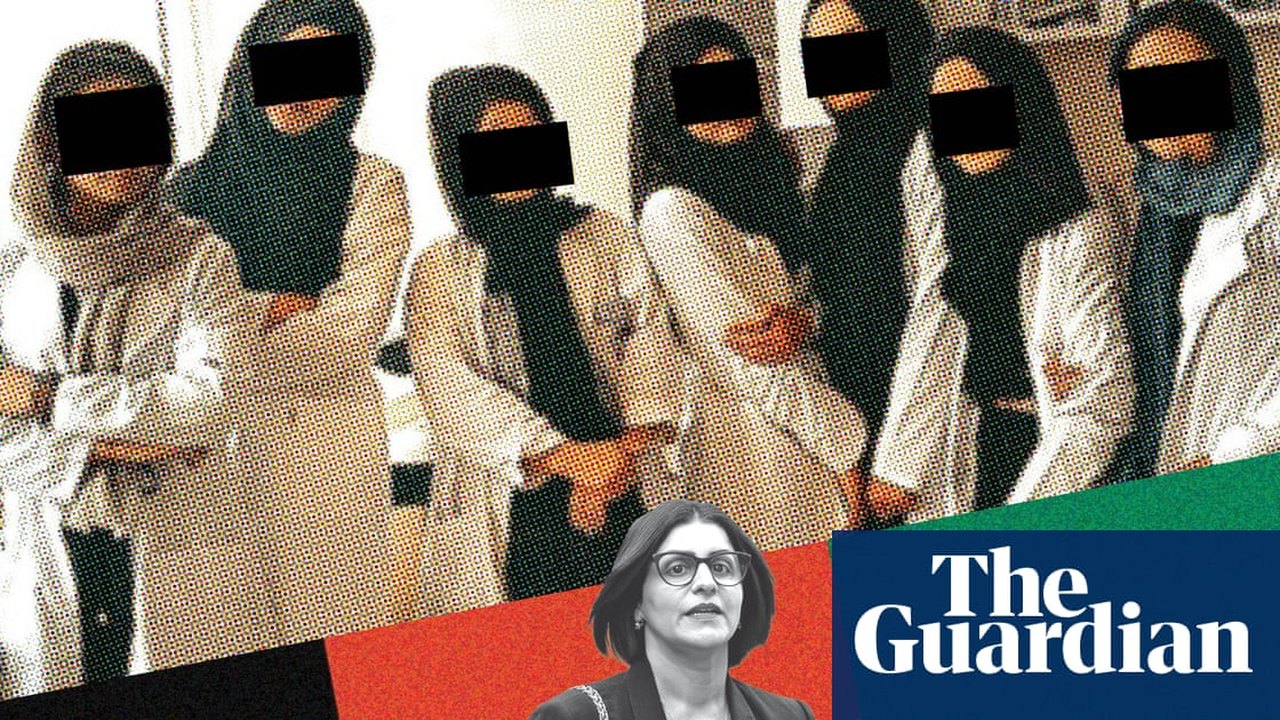
Image: www.theguardian.com — Creative Commons
A 25-year-old Afghan student who survived extreme adversity, including Taliban rule and domestic violence, has been blocked from taking up a prized place to study medicine at the University of Glasgow after the UK Home Office issued three successive visa rejections with contradictory justifications.
The student, who is referred to as Sara to protect her safety, spent years trying to pursue a medical career despite severe barriers. After securing admission to Kabul University in February 2021, her plans were upended months later when the Taliban seized power and banned women from higher education. She continued studying in secret, volunteering at medical clinics and practicing clinical techniques like suturing on bananas while hiding from patrols.
The Journey to Glasgow and Visa Barriers
With the assistance of a London-based English teacher, Jane Conway, and the Save Afghan Women group, Sara successfully applied for a gateway course at the University of Glasgow’s school of medicine, dentistry and nursing. She secured the necessary funding and bursaries to cover her tuition and living expenses, and submitted her visa application just prior to the introduction of a Home Office visa brake in March 2026 affecting students from Afghanistan, Sudan, Myanmar, and Cameroon.
Despite the university’s readiness to welcome her, the Home Office denied her application three times. According to documented accounts, the rejections provided conflicting rationales: one stated that she had appropriate funds but was not deemed a genuine student, while a subsequent refusal accepted she was a genuine student but claimed she lacked suitable funds.
Broader Policy Context and Current Status
Following the prolonged visa rejections, Sara has had to pivot to an alternative path, enrolling in a more affordable accounting and finance degree in another country to ensure her safety and continued education.
Supporters have criticized the consistency and impact of the decision-making process. The case highlights ongoing scrutiny surrounding the Home Office's handling of humanitarian and student routes, particularly following recent government announcements regarding refugee resettlement schemes and immigration restrictions.
Readers seeking verified details on current UK immigration policies and student visa guidelines can consult official updates directly via the [UK Government Visas and Immigration service](https://www.gov.uk/browse/visas-immigration).
Practical Implications and Verification
- What is confirmed: Sara secured an admission offer and funding for a medical gateway course at the University of Glasgow, and received three visa refusals from the UK Home Office containing contradictory reasons regarding her funds and student status.
- What remains unknown: Specific operational details of individual Home Office casework decisions and internal departmental thresholds are not publicly disclosed due to privacy and data protection regulations.
- How to verify: Official policies regarding student visas, educational routes, and humanitarian exceptions can be independently reviewed through official government portals and higher education admissions regulators.
AI-assisted reporting; source claims are attributed and have not been independently verified.
More to read
 High-End Student Housing Sector Faces Financial Strain Amid Rising Costs and Falling International Demand
 Ontario Teachers and Education Workers Rally Across Province Amid Contract Stalls and Upcoming Strike Votes
 Academic Loneliness in Higher Education: Why Isolation Threatens Learning and How Institutions Can Respond
 Karwa Chauth 2026: Schools in Delhi, Punjab, Rajasthan and Uttar Pradesh face differing holiday schedules
Trending on GlobeWire Daily
Selected from recent coverage and related topics; not live search rankings.
 Karan Johar Opens Up About Past Fallouts with Varun Dhawan and Janhvi Kapoor on Talk Show
 Text-to-CAD Plugin Integrates AI Agents with Local 3D Modeling and Manufacturing Workflows
 Coveo Reports Second Quarter Fiscal 2027 Financial Results and Announces Anglera Acquisition
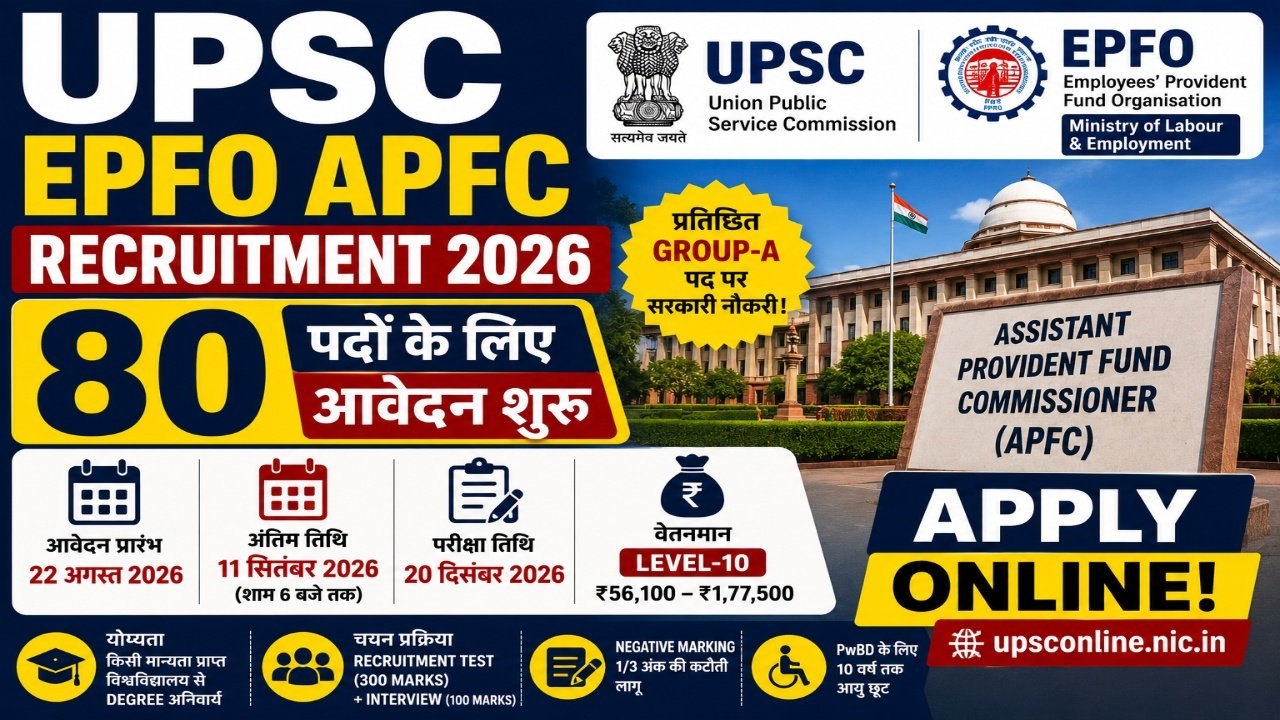 UPSC Opens Recruitment for 80 Assistant Provident Fund Commissioner Posts Under Special Advertisement No. 52/2026
 UPESSC PRT Assistant Teacher Recruitment 2026: Application Deadline Extended to November 4 for 12,405 Posts
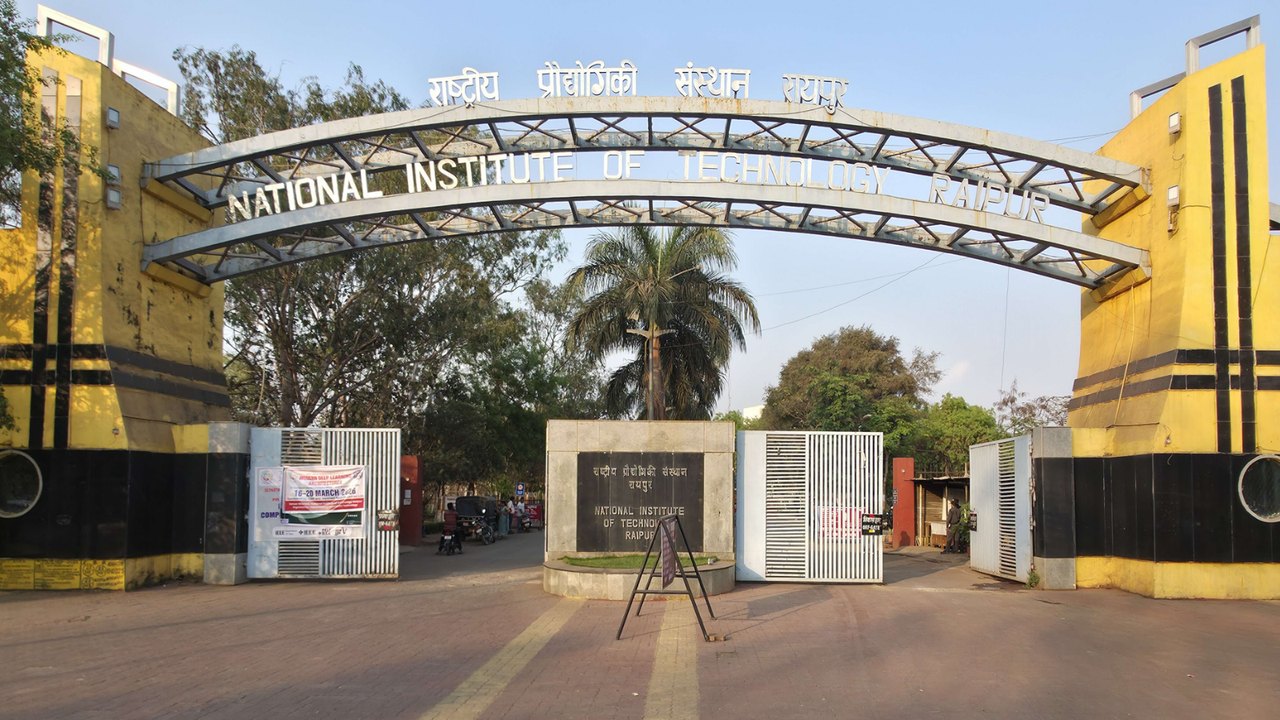 NIT Raipur Announces 37 Non‑Faculty Vacancies for 2026 – Eligibility, Age Limits and Application Deadline