India Projected to Need Up to 1.5 Billion Sq Ft of Private Education Space by 2035, Says CBRE Report
· GlobeWire Daily Education Desk · Source: www.business-standard.com
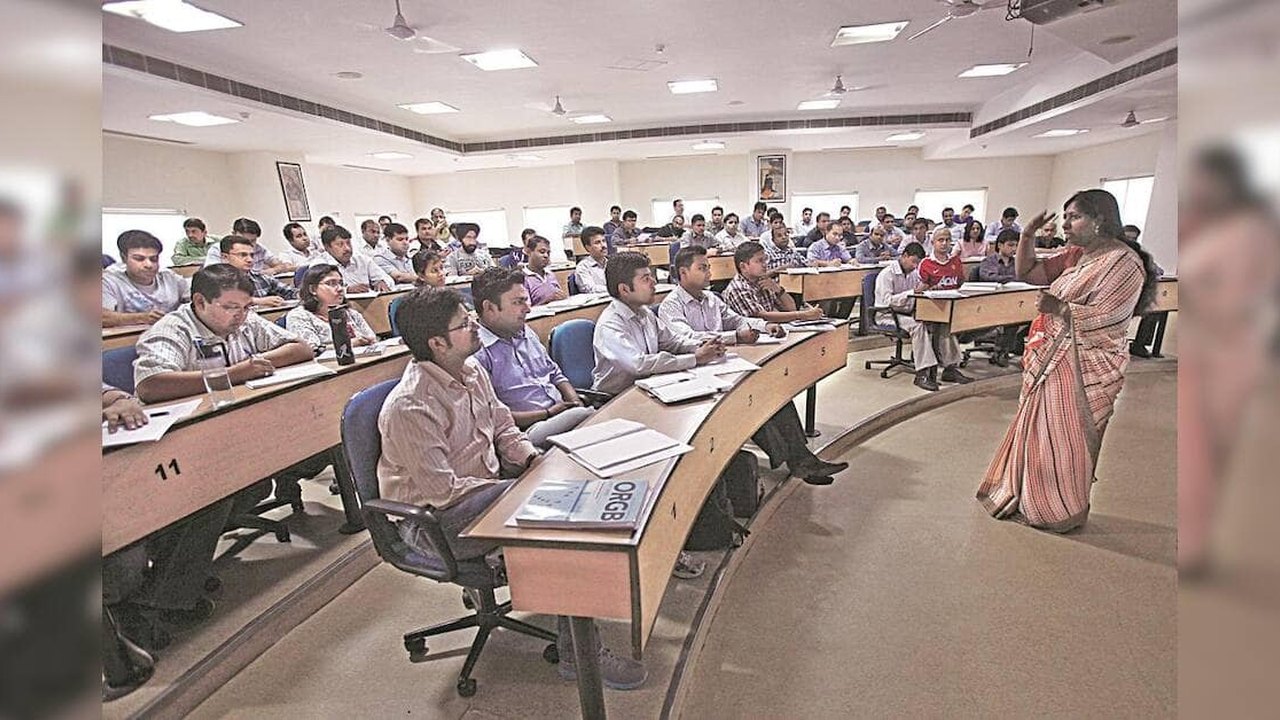
Image: Business Standard — Creative Commons
Growing Demand Across K-12 and Higher Education
India will require an estimated 1.0 to 1.5 billion square feet of additional private education infrastructure by the financial year 2034-35, according to a report released by real estate consultancy CBRE. Titled 'Beyond Core: A 2035 View of India's Alternate Sectors,' the study attributes the projected expansion to rising student enrolment, increasing private-sector participation, and a growing demand for quality learning environments across the country.
According to the findings, private unaided K-12 schools will account for approximately 0.9 billion square feet of the additional demand. Meanwhile, private unaided higher education institutions are expected to require another 0.4 billion square feet. Enrolment figures outline the trajectory behind this growth: private unaided school enrolment is projected to rise from 99 million in the 2025-26 period to 111 million by 2034-35. Over the same timeframe, private unaided higher education enrolment is expected to increase from 17 million to 23 million.
Sector Demographics and Institutional Shifts
The CBRE report notes that India currently has around 580 million people in the 5-24 age group, representing a substantial youth cohort that sustains long-term demand across both school and university systems. Private providers currently make up about 23 per cent of all schools in India while educating 40 per cent of students, and private institutions account for roughly 78 per cent of the nation's colleges.
Beyond basic capacity expansion, the report highlights a structural transition in how private education is managed. Institutions are gradually shifting away from fragmented, promoter-driven models toward professionally managed, scalable platforms. Rising household aspirations are simultaneously driving demand for holistic learning, international curricula—such as Cambridge and International Baccalaureate (IB) programmes—and globally benchmarked facilities spanning premium, mid-market, and affordable price points.
Investment Trends and Geographic Expansion
The report points to several recent institutional investments to illustrate market momentum, including KKR's 2025 investments in Lighthouse Learning and the Manipal Group, alongside Blackstone's acquisition of a majority stake in Globetrotters Educational Innovations, the parent company of Jayshree Periwal International School. International school brands are also entering the market through partnerships with domestic groups.
In the higher education sector, private capital participation remains selective due to regulatory frameworks, capital-intensive development, and not-for-profit operating structures. However, the University Grants Commission's 2023 regulations permitting foreign universities to establish a presence are generating demand for new academic infrastructure. While universities continue to expand into smaller cities—citing examples such as Chandigarh University's Lucknow campus and Azim Premji University's Ranchi campus—some foreign institutions are also setting up in institutional-grade business parks, such as the University of New South Wales in Bengaluru and the University of Southampton in Gurugram.
Practical Implications and Verification
Readers seeking to evaluate the projections in the CBRE report should note that real estate forecasts are subject to changing macroeconomic conditions, regulatory shifts, and evolving demographic trends. While historical enrolment data and institutional investments offer clear indicators of current market direction, future requirements may vary based on policy implementation and regional economic growth.
- Confirmed Facts: Projected additional private education space of 1.0-1.5 billion square feet by FY2034-35; projected growth in K-12 and higher education enrolments; valuation of India's education sector reaching $225 billion in FY25 and an estimated $313 billion by FY30.
- Unknowns: Exact future year-over-year absorption rates, regional allocation variances across different states, and the long-term operational scale of foreign university campuses under current regulatory frameworks.
- How to Verify: Readers can review the original findings and methodology in the CBRE report, 'Beyond Core: A 2035 View of India's Alternate Sectors', or read the original coverage directly via the [Business Standard Official Source](https://www.business-standard.com/education/news/india-may-need-1-5-billion-sq-ft-of-private-education-space-by-2035-cbre-126103001495_1.html).
AI-assisted reporting; source claims are attributed and have not been independently verified.
More to read
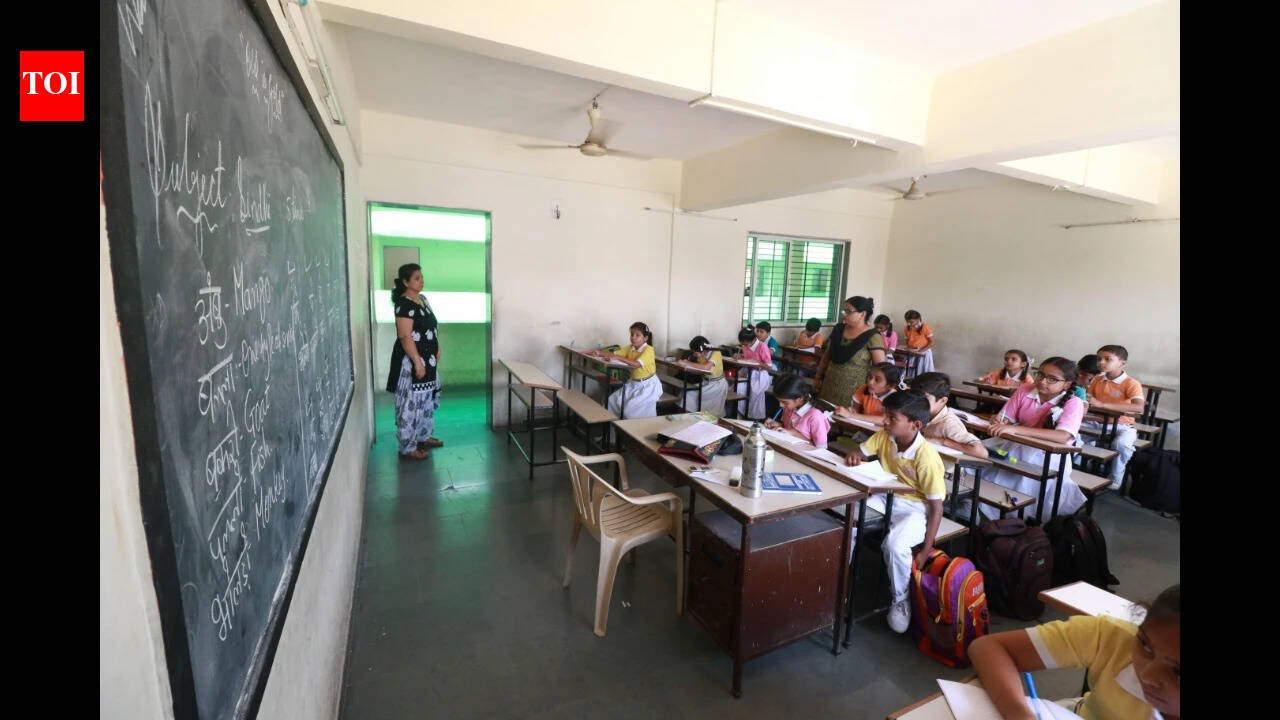 State Education Department Issues Six-Point Directive for Saraswati Vidya Niketan Model Schools
 Debate Over Leadership of Tamil Nadu's Collegiate Education Department Highlights Administrative Bottlenecks
 Montréal School Hosts Orientation Fair to Help Students Explore Future Pathways
 VR Brain Exploration Piloted in University Anatomy Workshop
Trending on GlobeWire Daily
Selected from recent coverage and related topics; not live search rankings.
 GitHub Platform Metrics Highlight Scale With Over 225 Million Developers
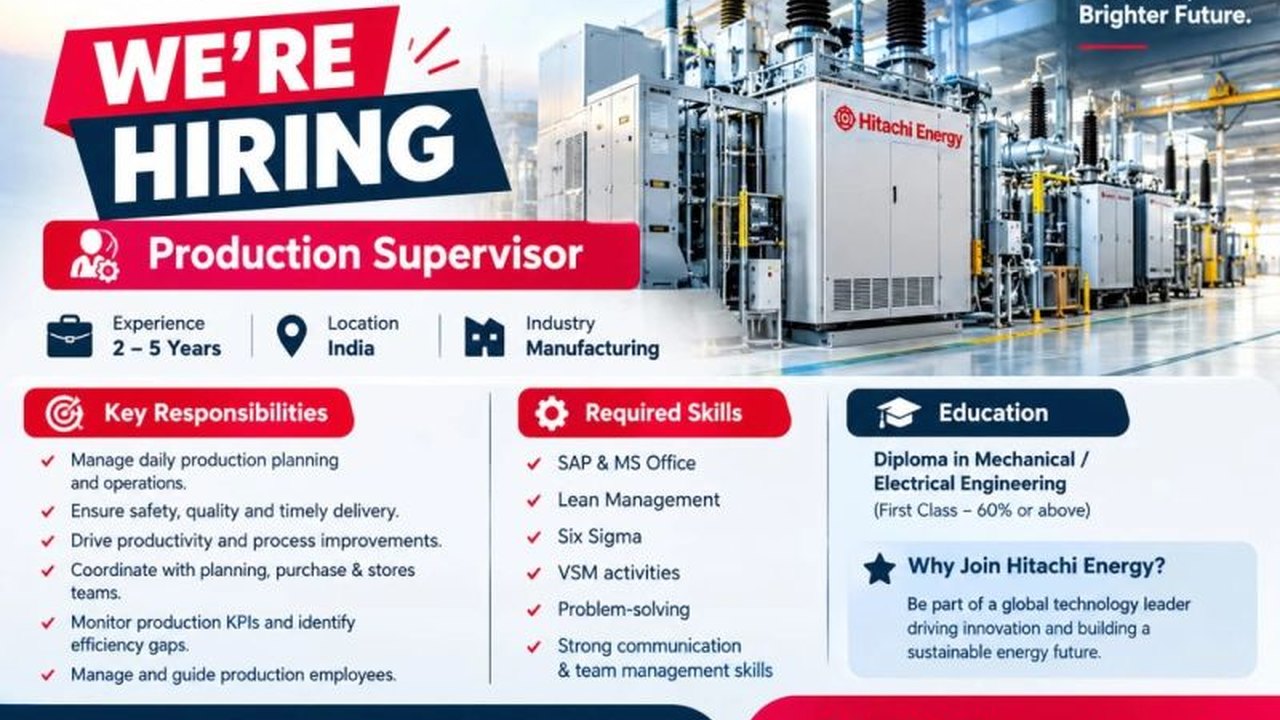 Hitachi Energy Announces Opening for Production Supervisor in India
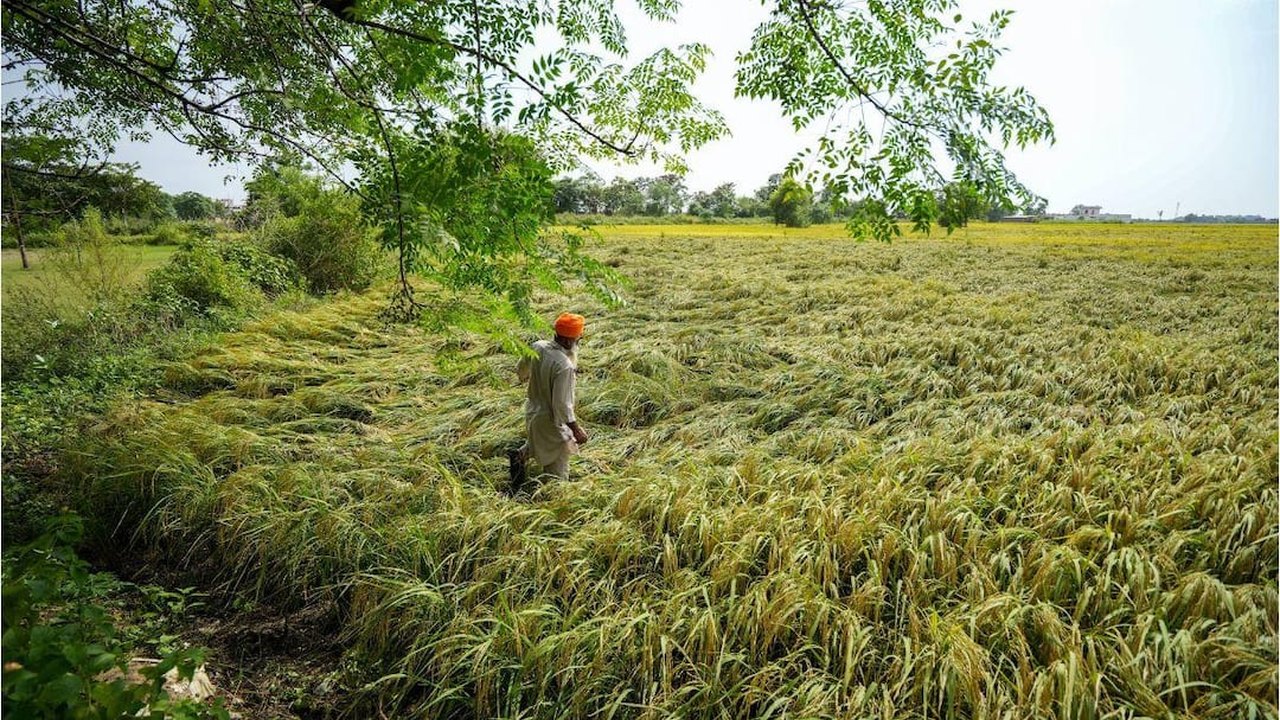 Columbia University IRI Forecasts 'Very Strong' El Nino Through 2026-27 Winter, Raising Climate Risks for India
 BKU Kisan Mahapanchayat Begins in Lucknow Following Overnight Stand-off Over Venue Permission
 Janhvi Kapoor's 'Concert' Advice On Koffee With Karan Sparks Online Debate Over Tara Sutaria And Veer Pahariya
 Coal India Posts 57% Profit Surge in Q2 on Higher Offtake and Improved Pricing