A New Wave of Electric and Hydrofoil Ferries Aims to Cut US Maritime Emissions
· GlobeWire Daily Climate Desk · Source: www.theguardian.com
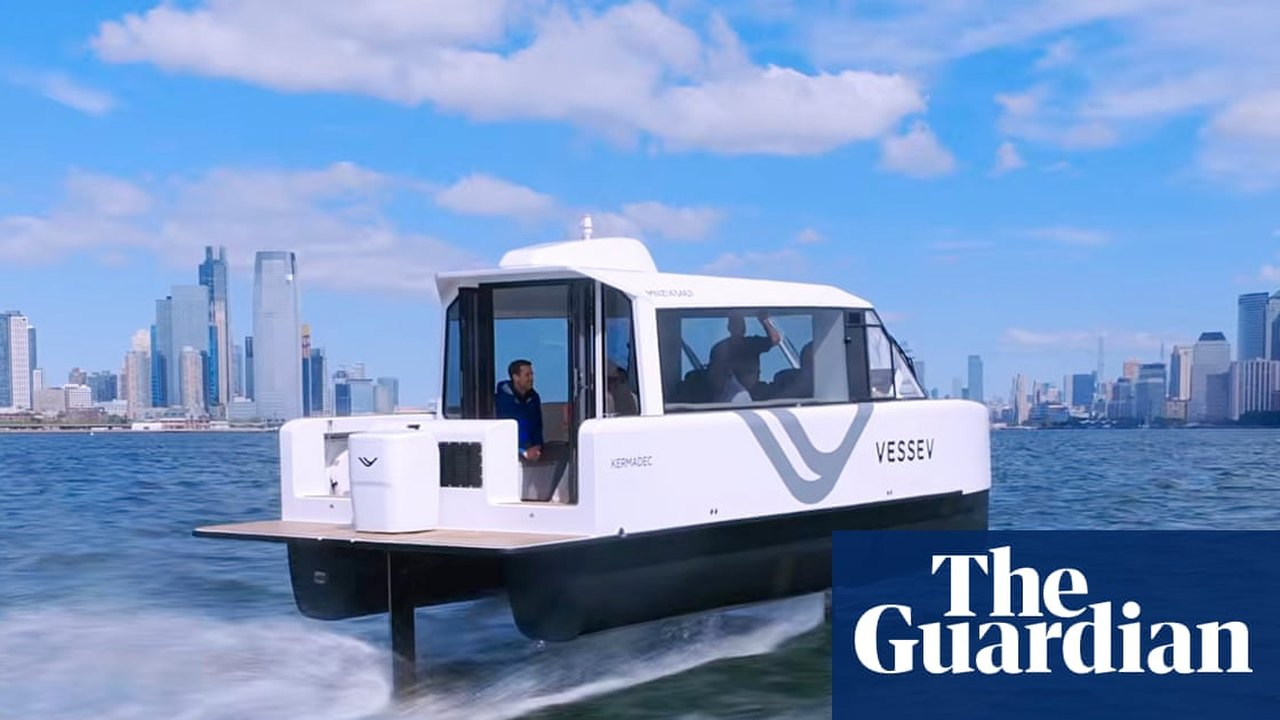
Image: www.theguardian.com — Creative Commons
As transit agencies grapple with the environmental impact of fossil-fuel-powered fleets, a new generation of electric and hydrofoil ferries is emerging in the United States and abroad. Designed to reduce greenhouse gas emissions and improve waterfront air quality, these vessels range from high-speed hydrofoils that lift hulls out of the water to large battery-powered commuter boats.
Transportation remains the largest source of greenhouse gas emissions in the United States, according to federal environmental data. While road vehicles account for the bulk of this pollution, ships and watercraft that burn fossil fuels also contribute significantly to local air pollution around busy harbors and ports.
The Engineering Behind Hydrofoil Vessels
Electrifying watercraft presents distinct engineering challenges. Batteries are heavy, and that extra weight increases the energy required to move a vessel through water. To overcome the high resistance of water, companies like Vessev and Sweden-based Candela are developing electric hydrofoil boats.
These vessels use underwater wings to lift their hulls above the surface as they accelerate. According to Vessev, this design cuts hydrodynamic drag by approximately 66%, allowing the craft to use smaller, lighter battery packs. Candela estimates its design can reduce energy use by up to 80% compared with conventional vessels of a similar type, and Norway has ordered 20 of its electric hydrofoil boats for coastal service.
Vessev operates passenger services in New Zealand, is expanding to Australia, and plans its first US service for Lake Tahoe. Meanwhile, commuter ferries built by Candela are already operating in Stockholm.
Fleet Overhauls in Major US Harbors
Larger urban transit systems are also moving away from diesel. In San Francisco, the region's largest ferry operator runs a fleet of 18 vessels entirely on fossil fuels to carry about 3.5 million passengers a year. However, the agency is preparing to add four battery-powered ferries over the next two years as part of an electric overhaul valued at roughly half a billion dollars, which also includes installing dockside charging infrastructure.
While San Francisco’s upcoming vessels will not initially use hydrofoil technology, the agency states the project will make it the first ferry operator in the United States to run high-speed, all-electric ferries.
Practical Implications and Reader Guide
For commuters and transit riders, the shift toward electric ferries promises quieter rides and cleaner air around waterfront terminals. For transit operators, however, transitioning to electric fleets involves navigating complex logistical and financial hurdles.
- What is confirmed: Transportation is a leading source of US greenhouse gas emissions. Vessev builds electric hydrofoil boats with planned US deployment in Lake Tahoe. San Francisco is investing approximately half a billion dollars in an electric fleet overhaul, including four upcoming battery-powered ferries and charging infrastructure, with the vessels and batteries manufactured domestically.
- What remains unknown: The long-term economic viability across different global waterways depends heavily on route distance, schedule constraints, and the ongoing costs of heavy batteries and charging infrastructure.
- How to verify: Readers can review federal environmental data regarding transportation emissions and read the original reporting through [The Guardian](https://www.theguardian.com/environment/2026/oct/29/us-electric-ferries).
AI-assisted reporting; source claims are attributed and have not been independently verified.
More to read
 Canadian Prime Minister Mark Carney Faces Domestic Scrutiny Over Omnibus Legislation and Fast-Tracked Development
 US Carbon Storage 'Gold Rush' Triggers Local Pushback and Environmental Concerns
 Decomposed Whale Carcass Closes Two Popular Sydney Beaches
 London to Close Oxford Street to Traffic as Part of Mayor’s Long‑Term Pedestrianisation Plan
Trending on GlobeWire Daily
Selected from recent coverage and related topics; not live search rankings.
 MP High Court Opens Applications for 418 Stenographer and Assistant Posts: Key Dates and Eligibility
 Community and Social Services Career Openings Highlight Regional Employment Landscape
 ARCI Recruitment 2026: Applications Open for 29 Technical, Administrative, and Scientific Posts
 Kendriya Vidyalaya and Navodaya Vidyalaya Recruitment 2025: 14,967 Vacancies Open
 Community and Social Services Openings Highlight Diverse Employment Landscape in Cheyenne, WY
 KRDP Recruitment 2026: Online Applications Open for 12,878 Group B and C Vacancies