Experimental Orchards Seek to Protect UK Cider Industry from Climate Change
· GlobeWire Daily Climate Desk · Source: www.theguardian.com
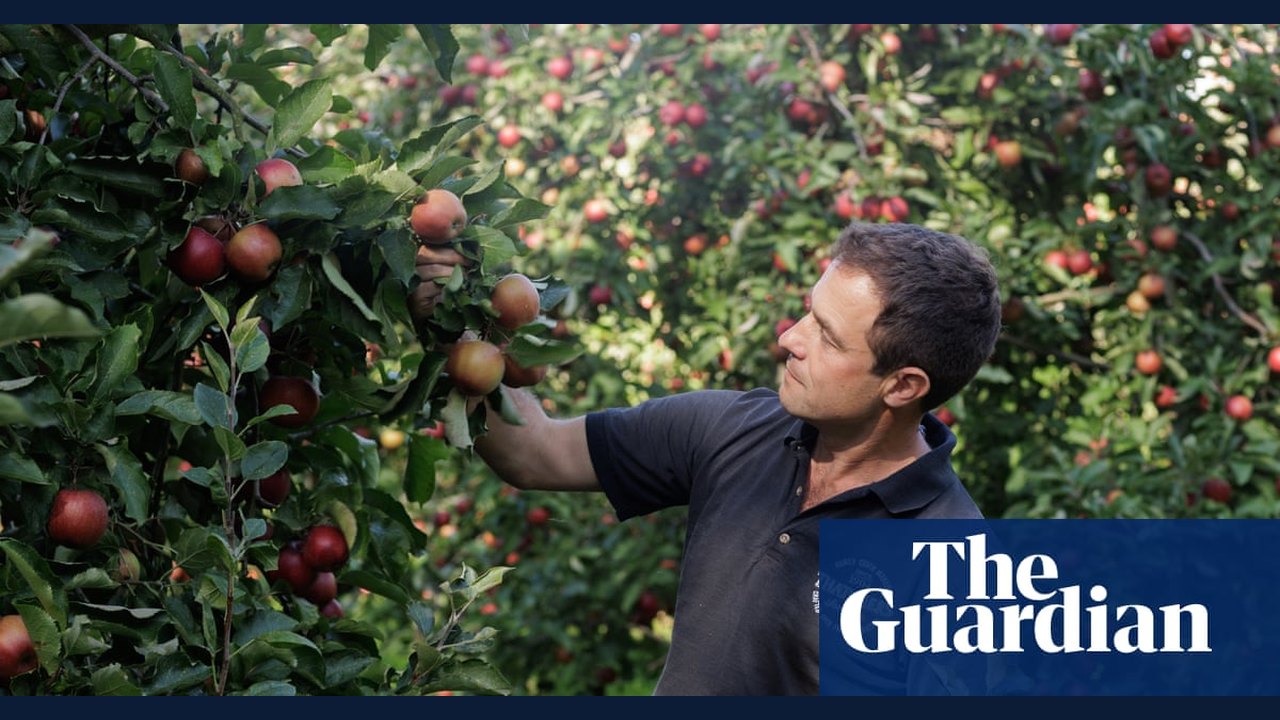
Image: the Guardian · Photo source · Resized and letterboxed to 16:9; no AI generation
Farmers and cider producers in the UK are turning to science, nature, and experimental trials to help orchards adapt to shifting temperatures, rainfall patterns, and pests driven by climate change.
At Myrtle Farm in Somerset, home to Thatchers Cider, researchers and growers are analysing how different apple trees respond to weather extremes such as wet winters and summer droughts. Managing Director Martin Thatcher noted that the company experienced its earliest harvest in its 122-year history this year. To help future-proof operations, an experimental orchard featuring 3,800 trees divided into 100-tree rows of various cultivars is being used to identify robust, pest-resistant varieties that can withstand extreme weather.
Key Agricultural Strategies
- Preserving Rare Varieties: Cuttings from 458 cider apple varieties rescued from a government research station decades ago are being evaluated for cider quality and modern growing conditions.
- Addressing Winter Chill: Growers are seeking varieties that require less winter chill, as rising temperatures threaten the dormancy periods critical for spring fruit bud development.
- Regenerative Farming: Before planting new trees, fields are sown with herbal leys and grazed by sheep to improve soil structure, leading to soils that act like moisture-retaining sponges.
- Natural Pest Control: Planting wildflower strips attracts beneficial insects that prey on pests like the rosy apple aphid, potentially reducing chemical spray costs.
- Water Management: Independent growers are utilizing neutron probes to measure soil water deficits and encouraging trees to develop deeper roots by allowing topsoil layers to dry out.
Practical Implications and Verification
These ongoing trials and regenerative farming methods highlight potential pathways for the agricultural sector to maintain crop reliability amid environmental shifts. However, introducing new apple varieties and changing farming practices takes time, as individual trees require years to mature and decades to yield consistent results.
Readers interested in verifying these developments can consult horticultural research publications, agricultural extension services, or official announcements from agricultural producers and industry bodies regarding ongoing climate adaptation studies.
AI-assisted reporting; source claims are attributed and have not been independently verified.
More to read
 New UNEP Report Outlines Humanity's Options for Containing Climate Change
 Understanding Climate Change: Causes, Impacts, and Global Action
 Met Office Science Supports UK Farming and Food Chain Adaptation to Climate Change
 Urban Areas and Climate Change: UNEP Outlines Impacts, Emissions, and Mitigation Frameworks