Federal Lawsuit Alleges EPA Failed to Regulate Cancer-Linked Pesticide Atrazine Under Clean Water Act
· GlobeWire Daily Climate Desk · Source: www.theguardian.com

Image: www.theguardian.com — Creative Commons
A new federal lawsuit accuses the U.S. Environmental Protection Agency (EPA) of a decades-long failure to address widespread contamination from atrazine, a heavily used and hormone-disrupting pesticide linked to cancer. The legal action asks a federal judge to compel the agency to establish formal water quality standards for the chemical.
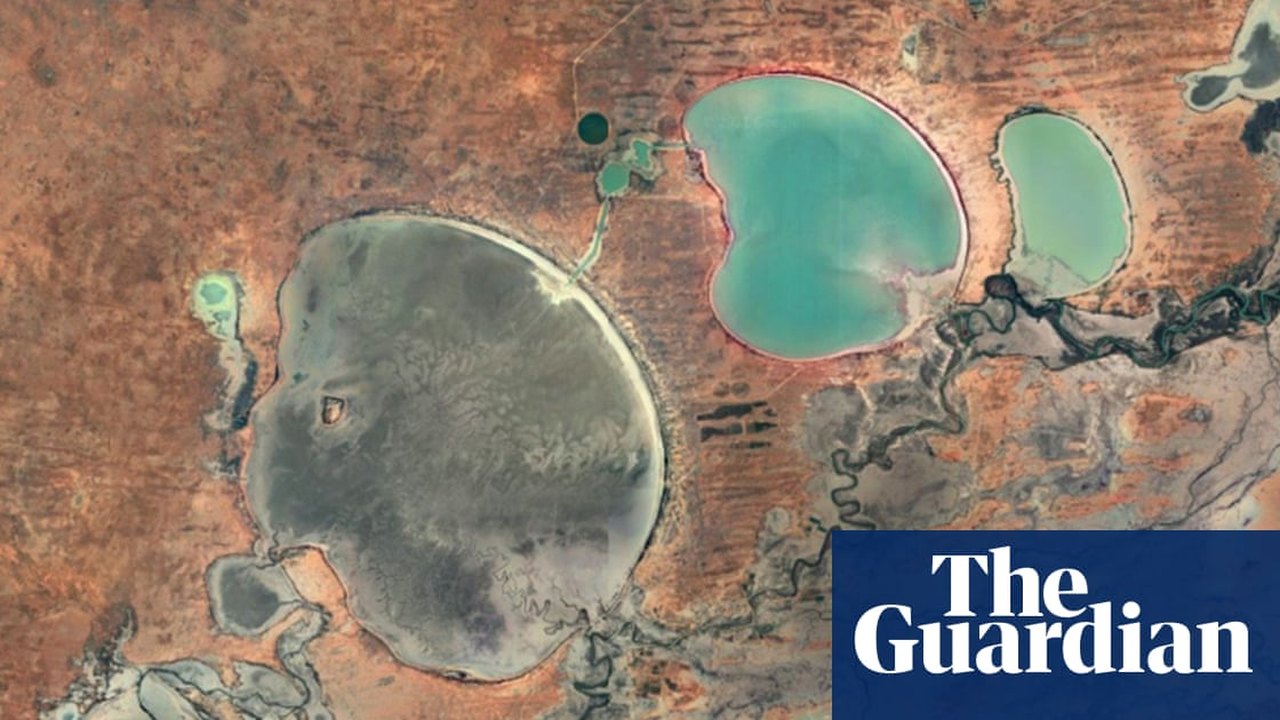
Atrazine ranks as the second most widely used pesticide in the United States, with approximately 70 million pounds applied to cropland each year. Because the chemical is both persistent and highly mobile, it easily washes off agricultural fields and into surrounding waterways.
Scope of Contamination
A recent review of federal records indicates that atrazine now contaminates nearly 25% of all continental U.S. rivers—equaling roughly 860,000 miles of waterways. These affected river systems encompass more than 20% of surface drinking water intakes nationwide, along with more than 675,000 private and commercial wells.
Environmental health advocates and plaintiffs note that the chemical can severely impact human and animal hormones, posing particular risks to developing children. Scientific studies have also documented severe ecological consequences, including findings that atrazine can chemically castrate frogs and induce sex changes in amphibians. Due to these health and environmental concerns, the pesticide has been banned in the European Union and roughly 60 other countries since 2003. Additionally, California recently proposed adding atrazine to its state list of carcinogens.
Regulatory Background and Criticisms
According to the lawsuit, the EPA was legally required to implement a Clean Water Act management plan for atrazine by 1999, but has failed to do so. Instead, the agency developed a separate plan governed by national pesticide laws rather than clean water statutes.
Critics argue that the alternative pesticide-law framework is largely ineffective. A peer-reviewed study cited in the lawsuit estimates that the EPA's pesticide-law approach would address only about 1% of total atrazine pollution.
Representatives from the Center for Biological Diversity, a non-profit organization serving among the lead plaintiffs, pointed out flaws in the EPA's current mitigation menu. The framework offers farmers a selection of approximately 30 actions to reduce runoff, but analysts contend that many options—such as maintaining pesticide usage logs—fail to physically prevent runoff. Furthermore, provisions requiring maximum-rate users to cut back would have a negligible impact because very few agricultural operations apply the maximum allowable limit.
Practical Implications and What Readers Can Verify
For residents relying on private wells or public surface-water systems near major agricultural regions, the litigation underscores ongoing concerns regarding agricultural runoff in drinking water supplies.
What Is Confirmed vs. Unknown
- Confirmed: A lawsuit has been filed in federal court alleging that the EPA has failed to set Clean Water Act standards for atrazine. Federal records indicate the chemical is present in roughly 25% of continental U.S. rivers. Atrazine is banned in the EU and roughly 60 countries, and California has proposed listing it as a carcinogen.
- Unknown: How the federal court will rule on the lawsuit, whether the EPA will be ordered to draft new Clean Water Act standards, and what timeline a judicial review might establish remain undetermined.
Readers can review the original reporting and context through the [Guardian's coverage](https://www.theguardian.com/us-news/2026/oct/23/lawsuit-atrazine-pesticide-cancer-epa). Public dockets and filings related to federal environmental lawsuits can also be accessed via federal court records platforms such as PACER.
AI-assisted reporting; source claims are attributed and have not been independently verified.
More to read
 Menindee Lakes Water Levels Fall to Five-Year Low as Authorities Impose Restrictions and Warn of Fish Kill Risks
 US West Has Lost Nearly 300 Glaciers Since the 1960s Due to Climate Crisis, Study Finds
 Cali Biodiversity Fund Still Empty as Pharma Companies Hold Back Contributions
 Public Debate Intensifies Over UK Gasfield Approval, Climate Adaptation, and Net-Zero Strategy
Trending on GlobeWire Daily
Selected from recent coverage and related topics; not live search rankings.
 Weekend Alcohol Consumption and Women's Health: Examining the Science Behind Breast Cancer Risks
 ARCI Recruitment 2026: Applications Open for 29 Technical, Administrative, and Scientific Posts
 Kendriya Vidyalaya and Navodaya Vidyalaya Recruitment 2025: 14,967 Vacancies Open
 Karnataka School Education Department Extends Online Application Deadline for 2026 Teacher Recruitment to 16 November
 KRDP Recruitment 2026: Online Applications Open for 12,878 Group B and C Vacancies
 RRB Releases 2026 Station Master Recruitment Notification for 1,265 Posts