Kashmir’s Traditional Potato Pits Vanish, Threatening Indigenous Himalayan Crops
· GlobeWire Daily Climate Desk · Source: www.theguardian.com
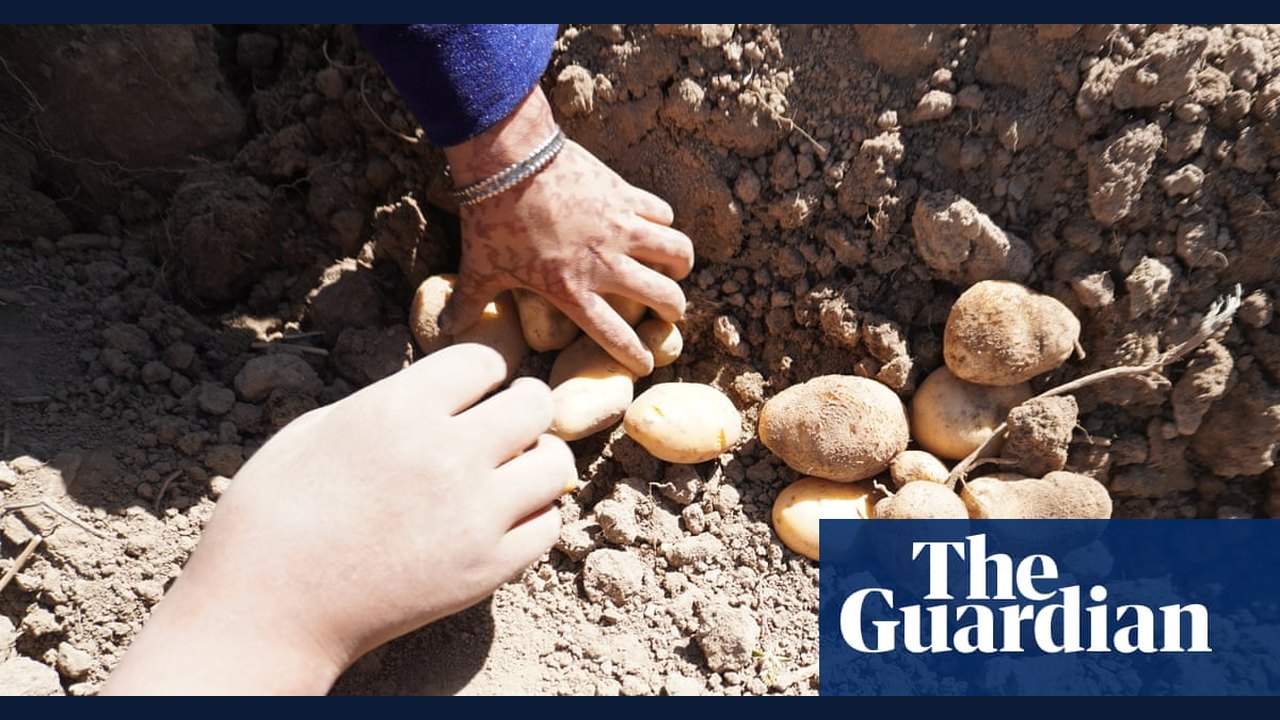
Image: the Guardian · Photo source · Resized and letterboxed to 16:9; no AI generation
Traditional underground potato storage pits, known as khraws, are slowly disappearing in the remote mountain village of Chorwan within the Gurez valley of Indian-administered Kashmir. Reported factors contributing to this decline include improved road connectivity, youth migration for work and education, and a shift toward commercial market alternatives. According to farmers and researchers, the loss of these storage methods also endangers local potato varieties and traditional preservation knowledge.
Preserving the Harvest Through Harsh Winters
For generations, residents have used straw-lined khraws to protect crops from severe Himalayan winters where temperatures fall below -20C (-4F) and heavy snowfall isolates communities from the Kashmir valley. Hajra Begum, a 40-year-old farmer in Chorwan, sorts her harvest to determine which potatoes will feed her family and which will be saved for spring planting. While she is passing her selection skills down to her daughter, she expresses uncertainty about whether the practice will survive future generations. Local accounts indicate that while most households once maintained multiple pits, only a handful of families continue the tradition.
Scientific Concerns Over Genetic Diversity
Potatoes account for approximately 45% of Gurez’s cultivated area, based on a 2019 study by the Indian Council of Agricultural Research’s National Bureau of Plant Genetic Resources (ICAR-NBPGR). However, the valley's genetic diversity remains largely undocumented:
- Vanishing Varieties: Dr Sheikh M Sultan, a senior scientist at ICAR-NBPGR’s Srinagar station, reported difficulty locating specific indigenous varieties he had previously observed during field surveys.
- Climate Pressures: Farmers note changing weather patterns, including drier springs, reduced snowfall, and water shortages affecting agricultural output.
- Land Pressures: Infrastructure developments, such as the Kishanganga hydroelectric project, have affected scarce cultivable land through acquisition and submergence in areas like Badwan.
Potential Safeguards and Verification
Researchers suggest that geographical indications—similar to systems used for Pampore’s saffron—could potentially help increase market value and recognition for local agricultural goods. However, experts emphasize that official recognition must be preceded by systematic identification and documentation before these unique varieties disappear from cultivation entirely. Readers seeking to verify these claims can consult publications from agricultural universities in Kashmir or research bulletins from ICAR-NBPGR.
AI-assisted reporting; source claims are attributed and have not been independently verified.
More to read
 COP31: Oceans and Indigenous Knowledge Take Center Stage as Climate Negotiations Enter Final Days
 Documenting the Legacy of Scotland's Traditional Salmon Net Fishers
 Indigenous Students Retrace Lewis and Clark’s Route in Modern Wildlife Re-Survey
 Stray Animal Attacks and Kills Farmer Harvesting Crops in Kushinagar