Timing of Climate Science Reports Ignites a Dispute at U.N. Talks
· GlobeWire Daily Climate Desk · Source: www.nytimes.com
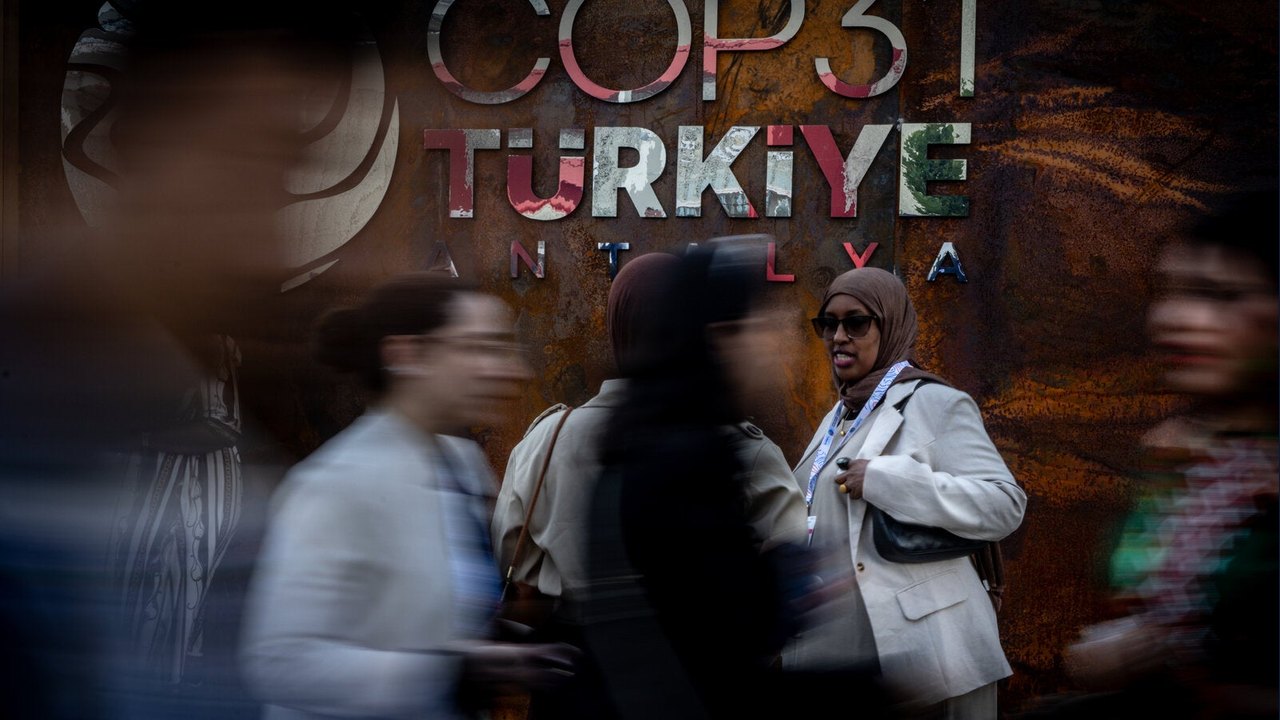
Image: www.nytimes.com · Photo source · Resized and letterboxed to 16:9; no AI generation
A disagreement over the publication schedule for upcoming climate reports has emerged as a central issue at the United Nations climate conference. Observers and participants have reported debates regarding the timeline for the Intergovernmental Panel on Climate Change (IPCC) reports, which traditionally provide comprehensive scientific assessments every five to seven years.
The Dispute Over Timelines
At the center of the discussion is whether the next cycle of IPCC reports should be released before or after the global stocktake scheduled for 2028. The global stocktake is a mechanism under the Paris Agreement where nations evaluate their collective progress and aim to enhance climate actions based on scientific findings.
- Proposed Delays: Countries including Saudi Arabia, India, and Russia have reportedly pushed to delay the release of at least two reports until after 2028.
- Scientific Alignment: Advocates and participants emphasize the importance of having updated scientific data available ahead of the 2028 stocktake to guide national commitments.
Differing Perspectives and Claims
The positioning of various nations has drawn varied reactions among attendees at the conference.
- Concerns of Interference: Critics and high-profile figures, such as former U.S. Vice President Al Gore, have claimed that the push for delays by major fossil fuel-producing and importing nations could undermine the scientific review process.
- Official Positions: Specific counterarguments or formal responses from the delegations of Saudi Arabia, India, and Russia regarding these particular allegations were not detailed in the available reports.
Practical Implications and Verification
The scheduling decisions made at the conference could influence how countries prepare their updated climate pledges for future evaluations. Readers and researchers seeking to verify the status of these reports and official U.N. proceedings can consult documentation directly published by the IPCC and the United Nations Framework Convention on Climate Change (UNFCCC).
AI-assisted reporting; source claims are attributed and have not been independently verified.
More to read
 African Ministers Denounce 'Broken Promises' as COP31 Climate Talks Face Final-Day Deadlock
 Ten Years After the Paris Agreement, Are Global Climate Talks Getting Anywhere?
 Who's Who at Cop31: Key Players and Interests at the Antalya Climate Talks
 Global Electrification Target Faces Hurdles at COP31 Climate Talks