UNEP Highlights Super Pollutants Reduction at CCAC Ministerial to Combat Near-Term Warming
· GlobeWire Daily Climate Desk · Source: www.unep.org
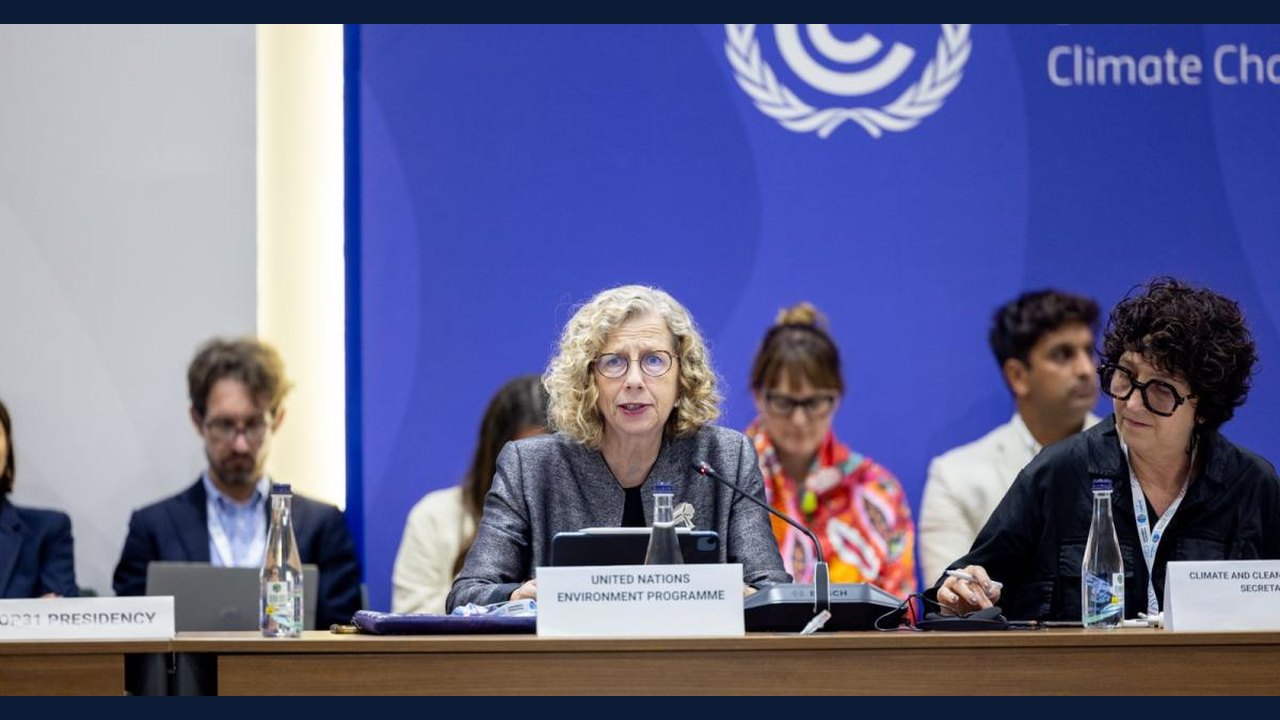
Image: UNEP - UN Environment Programme · Photo source · Resized and letterboxed to 16:9; no AI generation
A recent United Nations Environment Programme (UNEP) address highlights that rapid reductions in methane and other super pollutants could help avoid over 0.5°C of warming by 2050, serving as a critical complement to long-term decarbonization efforts.
According to UNEP research cited for the 2026 Climate and Clean Air Coalition (CCAC) Ministerial, overshoot of the 1.5°C temperature threshold is locked in, making near-term action on super pollutants essential to help return to or below 1.5°C by the end of the century. The Ministerial features co-chairs Brazil, represented by Minister of the Environment and Climate Change João Paulo Ribeiro Capobianco, and the United Kingdom, represented by Special Representative for Climate Change Rachel Kyte.
Economic and Financial Realities
The economic case presented points to significant potential returns, though current funding levels remain low:
- Every US$1 invested in super pollutant action could generate US$15 in benefits across health, productivity, energy, and avoided climate damage.
- Every year of delay reportedly forfeits over US$1.5 trillion.
- Currently, approximately 0.5 percent of climate finance is allocated to super pollutants.
Strategic Frameworks and Action Plans
The CCAC platform reports several ongoing initiatives and milestones:
- Eighty-four percent of recent Nationally Determined Contributions (NDCs) include methane mitigation, supported by CCAC and partner assistance.
- The CCAC has approved over 260 projects addressing super pollutants, mobilizing US$81 million across 75 Global South countries since 2022.
- Three core plans under the Global Action Agenda link upstream priorities to downstream delivery: the CCAC Country Action Accelerator, the CCAC Technology and Economic Assessment Panel, and the World Bank's Global Methane Reduction Platform for Development.
Focus on the 2026 Strategy and Six Sectors
The upcoming government-led Super Pollutant Prioritisation Strategy 2026 aims to deliver reductions before 2030 by aligning partners around priority actions in six high-impact sectors:
- Fossil fuels
- Agriculture
- Waste
- Heavy-duty vehicles and engines
- Household energy
- Cooling
Participants at the Ministerial are expected to consider a declaration supporting this strategy. Observers and stakeholders can verify official announcements and updates through the official UNEP and CCAC communication channels.
AI-assisted reporting; source claims are attributed and have not been independently verified.
More to read
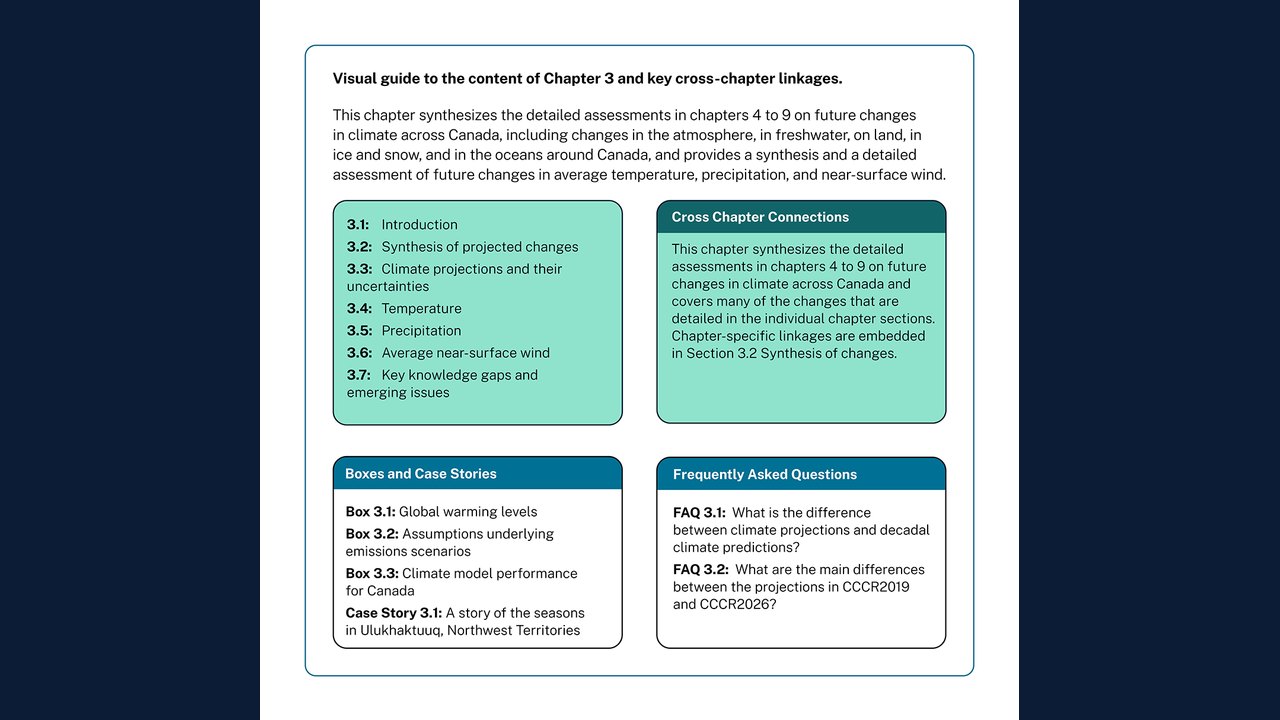 Government of Canada Report Projects Continued Warming and Climate Shifts Across Near and Long-Term Scenarios
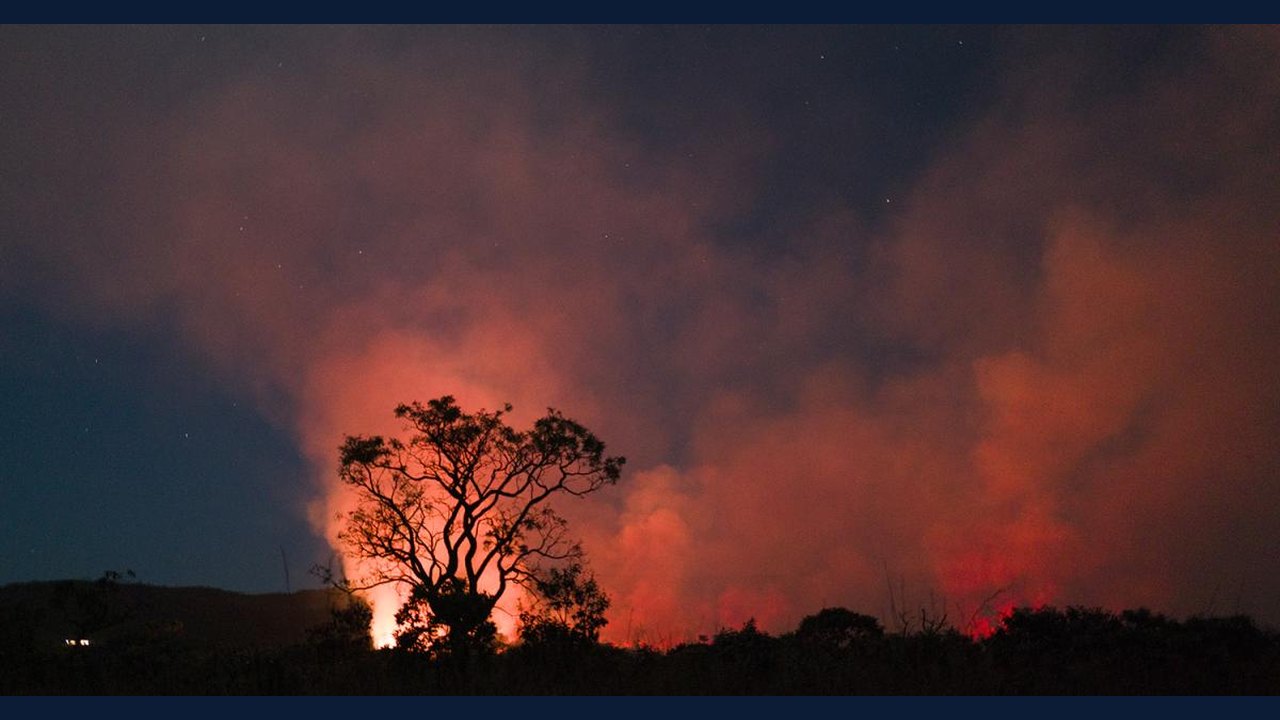 World Set to Cross 1.5°C Global Warming, but Can Still Limit, Adapt to and Return from Higher Temperatures: UNEP Report
 UNEP Report Examines Implications and Pathways of Exceeding 1.5°C Global Warming Limit
 World Bank Report Highlights India's Remarkable Poverty Reduction, Notes Challenges in Youth Unemployment and Wage Disparities