UNEP Report Examines Implications and Pathways of Exceeding 1.5°C Global Warming Limit
· GlobeWire Daily Climate Desk · Source: www.unep.org

Image: UNEP - UN Environment Programme · Photo source · Resized and letterboxed to 16:9; no AI generation
A United Nations Environment Programme (UNEP) publication examines the expected exceedance of the 1.5°C global warming threshold and outlines pathways for returning temperatures below this level. According to recent scientific assessments, current policies and near-term trajectories indicate that temporarily surpassing the 1.5°C goal of the Paris Agreement is widely assessed as unavoidable.
The publication, titled the Limiting Overshoot Spotlight Report, explores what is described as an overshoot pathway. This dynamic trajectory involves exceeding 1.5°C, reaching a peak warming level, and subsequently working to achieve a temperature decline. The findings suggest that even under optimistic scenarios involving the full implementation of current national climate plans and net-zero targets, expected peak temperature rises could reach 1.8°C.
Key Findings of the Overshoot Assessments
- Risk Magnitude: Scientific evidence cited in the assessments indicates that higher peak warming and longer durations of exceedance correlate with greater risks for human societies, economies, and ecosystems.
- Irreversible Thresholds: Shorter durations of overshoot reduce the probability of crossing irreversible environmental thresholds and adaptation limits.
- Integrated Action: The report emphasizes that mitigation and adaptation measures must advance simultaneously to manage changing conditions along the overshoot, peak, and decline pathway.
Supplementary Scientific Studies
In addition to the core report, complementary assessments examine specific vulnerable ecosystems:
- Circumboreal Forests: Led by experts from Natural Resources Canada with UNEP and the International Institute for Applied Systems Analysis, this study looks at how climate overshoot could affect northern wildfires, carbon storage, and communities.
- The Cryosphere: Produced by the International Cryosphere Climate Initiative with UNEP support, this assessment evaluates risks to glaciers, ice sheets, and permafrost, emphasizing the dangers of irreversible changes in frozen regions.
Practical Implications and Verification
The findings highlight that surpassing 1.5°C does not represent a reason for inaction, but rather underscores the urgency for accelerated greenhouse gas emission reductions. Observers, researchers, and policymakers can review the full publications, accompanying explanatory articles, and press releases directly through the official UNEP website to verify the methodology and detailed data behind the assessments.
AI-assisted reporting; source claims are attributed and have not been independently verified.
More to read
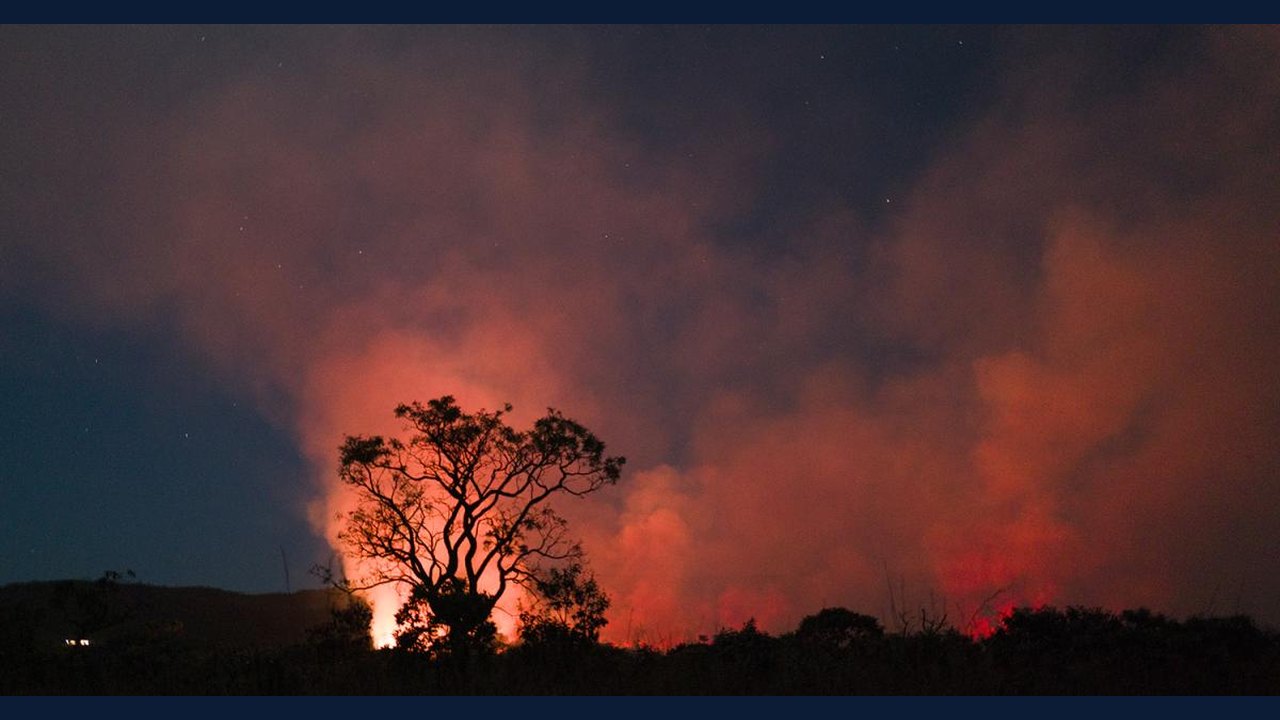 World Set to Cross 1.5°C Global Warming, but Can Still Limit, Adapt to and Return from Higher Temperatures: UNEP Report
 UNEP Strategies for Sustainable Urban Growth Amid Rapid Global Urbanization
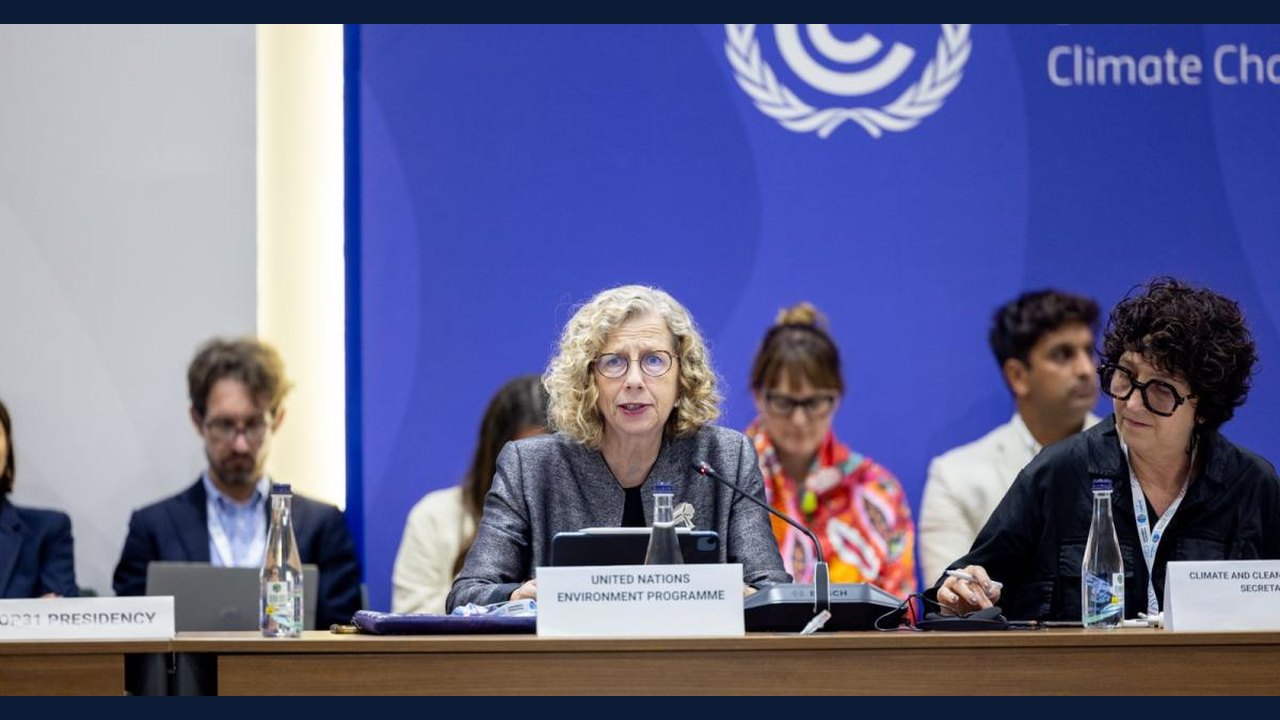 UNEP Highlights Super Pollutants Reduction at CCAC Ministerial to Combat Near-Term Warming
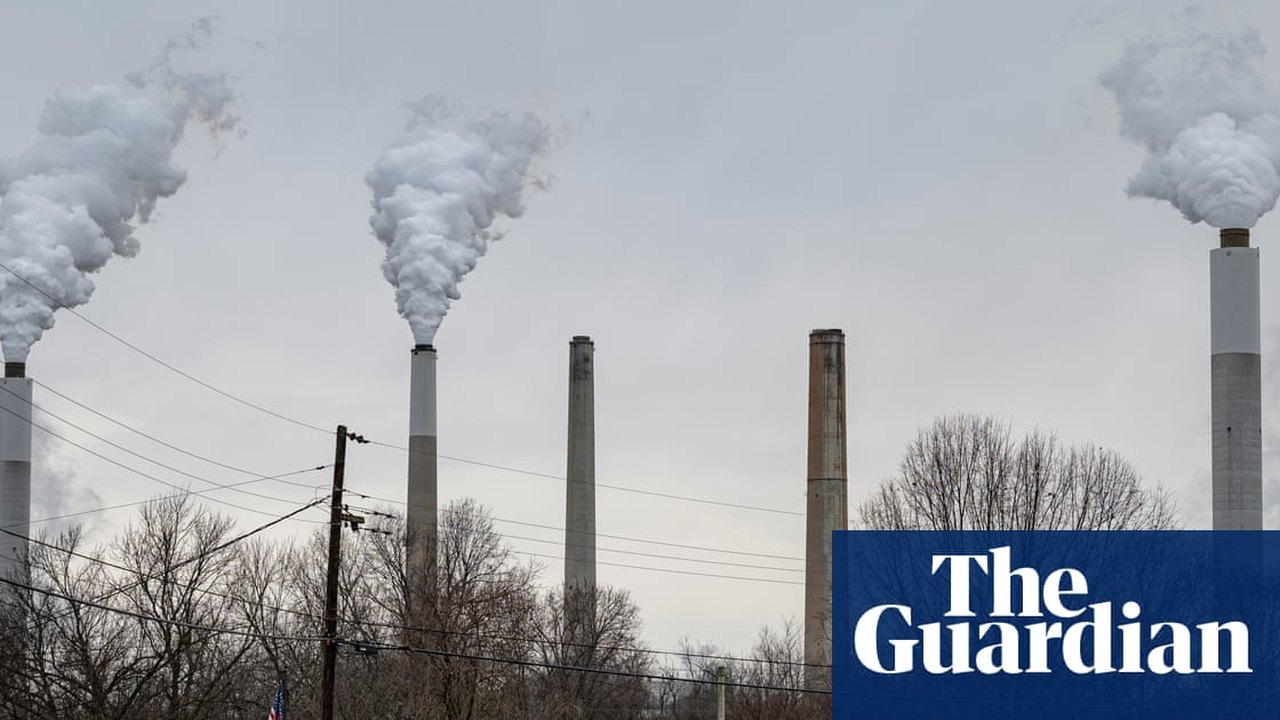 UN Emissions Report: Narrowing the Window to Limit Global Temperature Overshoot