UNEP Strategies for Sustainable Urban Growth Amid Rapid Global Urbanization
· GlobeWire Daily Climate Desk · Source: www.unep.org
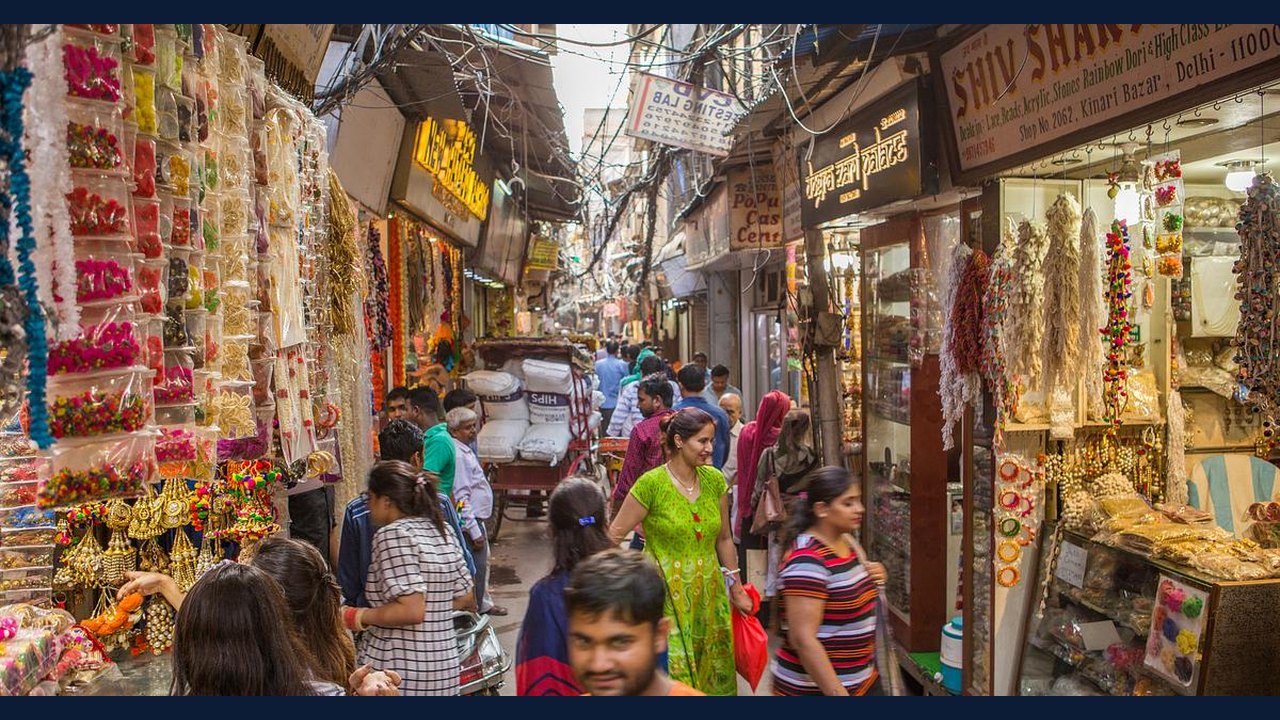
Image: UNEP - UN Environment Programme · Photo source · Resized and letterboxed to 16:9; no AI generation
The Future of Urban Environments
As of current estimates, 55% of the global population resides in urban areas, a figure projected to increase to 68% by 2050. This rapid urbanization presents significant environmental challenges, yet it also positions cities as critical hubs for climate action, with approximately 70% of potential climate solutions residing under the jurisdiction of subnational authorities.
UNEP’s Strategic Framework
The United Nations Environment Programme (UNEP) is working to address the triple planetary crisis of climate change, biodiversity loss, and pollution by integrating sustainability into urban policies. UNEP’s efforts focus on four key areas:
- Promoting zero-emission, efficient, and resilient building practices.
- Advancing net-zero, circular, and nature-positive urban planning.
- Supporting public-private partnerships to scale climate mitigation and adaptation.
- Mainstreaming environmental principles into local economic and social programs.
Notable Initiatives and Reporting
UNEP facilitates various global initiatives to guide urban transformation:
- Buildings Breakthrough: A global effort launched at COP28 aiming for near-zero emission and resilient buildings by 2030.
- Nature Restoration: On World Cities Day, UNEP announced a collaboration with 19 cities to restore biodiversity in urban landscapes.
- Analytical Frameworks: Key reports, including the 'State of Finance for Nature in Cities' and 'GEO for Cities,' provide data-driven insights into building green and equitable urban centers.
Practical implementation of these strategies relies on collaboration with networks and research centers. For those looking to verify specific project details or access the latest policy documentation, the official UNEP cities portal serves as the primary source for ongoing urban climate assessments.
AI-assisted reporting; source claims are attributed and have not been independently verified.
More to read
 World Set to Cross 1.5°C Global Warming, but Can Still Limit, Adapt to and Return from Higher Temperatures: UNEP Report
 Urban Areas and Climate Change: UNEP Outlines Impacts, Emissions, and Mitigation Frameworks
 UNEP Report Examines Implications and Pathways of Exceeding 1.5°C Global Warming Limit
 Global Tourism Shifts: Emerging Destinations See Record Growth in 2026