US Offshore Windfarms Are Creating Artificial Reefs, Transforming Ocean Floor Ecosystems
· GlobeWire Daily Climate Desk · Source: www.theguardian.com
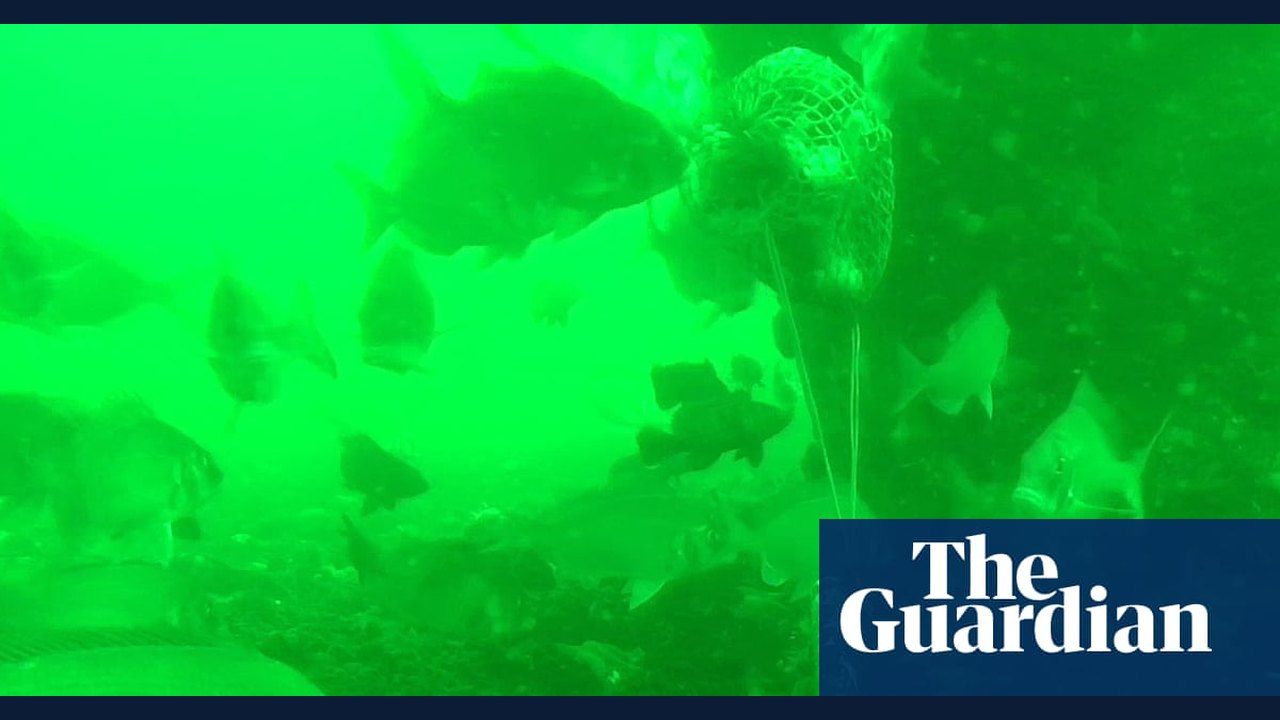
Image: the Guardian · Photo source · Resized and letterboxed to 16:9; no AI generation
Recent observations and scientific studies indicate that offshore wind turbines along the United States coast are transforming stretches of the seafloor into artificial reef habitats. Researchers and commercial fishers are examining how these structures affect marine life and the regional fishing industry as more renewable energy projects are developed.
The Artificial Reef Effect
The transformation begins soon after turbines are installed. Bivalves, algae, and mussels attach to the submerged structures, creating a food source and shelter that attract crabs, small fish, and eventually larger species such as black sea bass.
- Rapid Colonization: Studies note that reef effects can begin within approximately six months of installation.
- Documented Growth: A developer-funded study from 2022 found a tenfold increase in black sea bass numbers near the Block Island windfarm compared to similar reference areas.
- Broader Precedent: Similar phenomena have been observed on shipwrecks, oil rigs, and European windfarms built decades earlier, where cod and harbour seals have been attracted to the foundations.
Implications for Marine Life and Research
Scientists are actively investigating whether wind turbines merely concentrate existing fish populations or actually contribute to overall population growth.
- Attraction vs. Production: Researchers from the University of Massachusetts Dartmouth's School for Marine Science & Technology (Smast) are studying whether fish are reproducing near the turbines or simply exhibiting a transient presence.
- Migration Patterns: Recent survey data indicates that black sea bass cluster near turbines while in the area before continuing their standard migration patterns.
- Ecosystem Shifts: Experts describe the grid pattern of hundreds of artificial reefs as a significant biogeographical experiment that could favor reef-oriented species over those adapted to open sandy bottoms, such as mackerel and herring, while potentially giving competitive advantages to invasive species like the tunicate *Didemnum vexillum*.
Impacts on the Fishing Industry
Fishers and regulatory agencies face new operational considerations as turbines alter local fishing grounds.
- Gear Restrictions: Clustering around turbines may preclude the use of mobile fishing gear, potentially favoring smaller operations using rods, reels, or traps over trawlers.
- Survey Challenges: Changes in fish distribution could complicate federal and state population surveys, potentially leading to conservative fishing quotas.
- Industry Collaboration: Smast researchers are partnering with commercial fishers—who are permitted to operate in US wind lease zones—to study adaptations and responses to the new structures.
Environmental Trade-offs
While offshore wind is viewed as a critical component in reducing reliance on fossil fuels, research highlights mixed environmental impacts.
- Construction noise can pose risks to fish, and poorly planned projects can threaten seabirds.
- Conservation groups and scientists emphasize that the climate crisis presents a much broader threat to wildlife, while acknowledging localized environmental challenges.
Readers can verify ongoing findings through reports published by institutions like Smast and regulatory updates from the Bureau of Ocean Energy Management.
AI-assisted reporting; source claims are attributed and have not been independently verified.
More to read
 Is AI Your New Wingman? How Chatbots Are Transforming Modern Dating
 Ten Years After the Paris Agreement, Are Global Climate Talks Getting Anywhere?
 First Global Guidelines Put Spotlight on Ocean Geoengineering and Carbon Removal Industry
 California's First Recorded Sea Turtle Hatchlings Released Into Pacific Ocean