How a 1977 Political Shift Led to India’s First State-Backed Cola 'Double Seven'
· GlobeWire Daily Public Services Desk · Source: navbharattimes.indiatimes.com
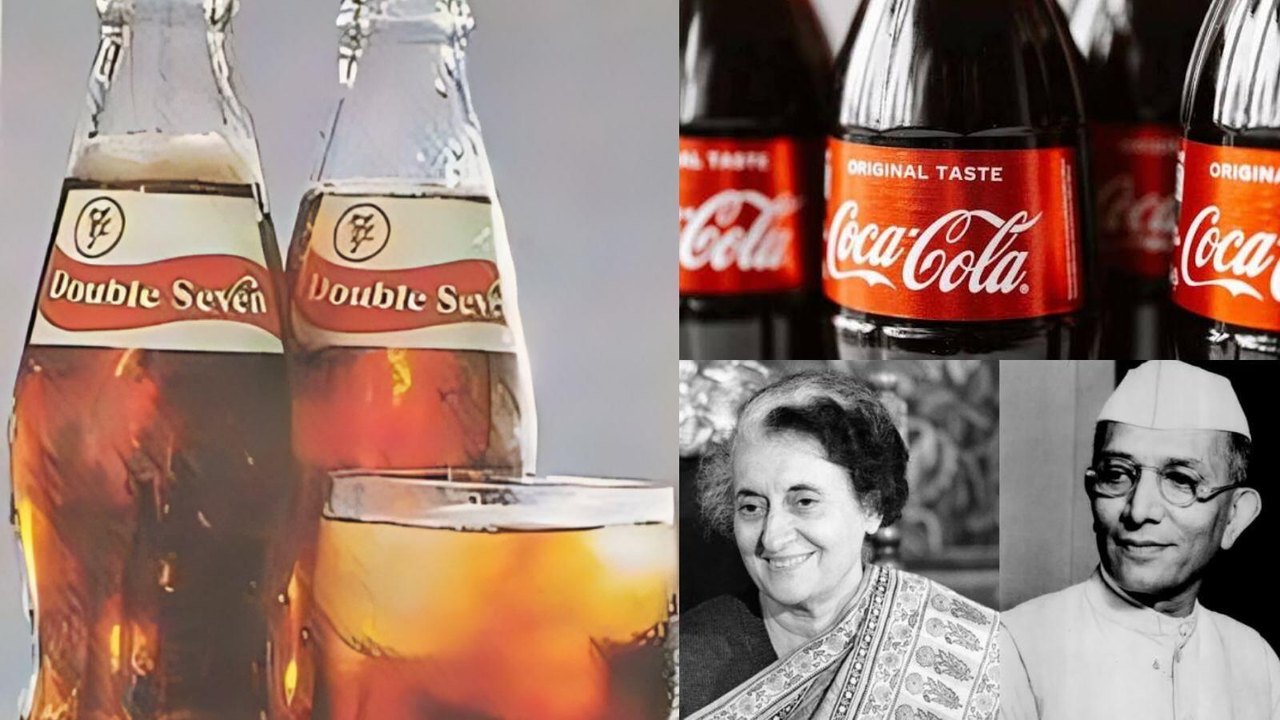
Image: Navbharat Times · Photo source · Resized and letterboxed to 16:9; no AI generation
The history of India's beverage market holds a unique chapter from the late 1970s, when regulatory changes and political shifts led to the exit of global giant Coca-Cola and the subsequent launch of a state-backed indigenous drink named 'Double Seven'.
Background of the 1977 Policy Changes
Following the end of the Emergency in 1977, the Janata Party government led by Prime Minister Morarji Desai came to power. During this period, strict regulations under the Foreign Exchange Regulation Act (FERA) were applied to foreign companies operating in India, including Coca-Cola and IBM. Industry Minister George Fernandes urged multinational companies to dilute their equity and share their secret manufacturing formulas with Indian shareholders. Citing trade secrecy, Coca-Cola declined to share its proprietary formula, prompting the government to cancel its operating license.
Launch of 'Double Seven'
To fill the market gap and promote economic self-reliance, the government introduced a homegrown cola named 'Double Seven', commemorating the historic political transition of 1977.
- Manufacturing and Development: The production and marketing were assigned to the state-owned Modern Food Industries (formerly known for 'Modern Breads').
- The Formula: The beverage recipe was developed by the Central Food Technological Research Institute (CFTRI) based in Mysore.
- Debut: The drink was prominently showcased at the annual trade fair in Pragati Maidan as a symbol of national self-sufficiency.
Market Challenges and Decline
Despite high-profile backing, 'Double Seven' struggled to meet consumer expectations. It faced stiff competition from domestic alternatives like Campa Cola and Thums Up, failing to achieve the widespread popularity previously enjoyed by global brands. Consequently, management and business institutions often cite this initiative as a case study in state-backed branding meeting fierce market realities.
Political changes continued to shape the brand's trajectory. Following the return of Indira Gandhi’s government in 1980, the initiative lost momentum. Later, the 1991 economic liberalization under Prime Minister P.V. Narasimha Rao paved the way for foreign investments, and Coca-Cola officially re-entered the Indian market in 1993.
Practical Implications and Verification
- Historical Context: The episode highlights how regulatory compliance and foreign exchange laws shaped industrial policies in post-independence India.
- Verification: Readers can verify historical policy documents, FERA guidelines, and legislative records from the late 1970s available through national archives and public legislative repositories.
AI-assisted reporting; source claims are attributed and have not been independently verified.
More to read
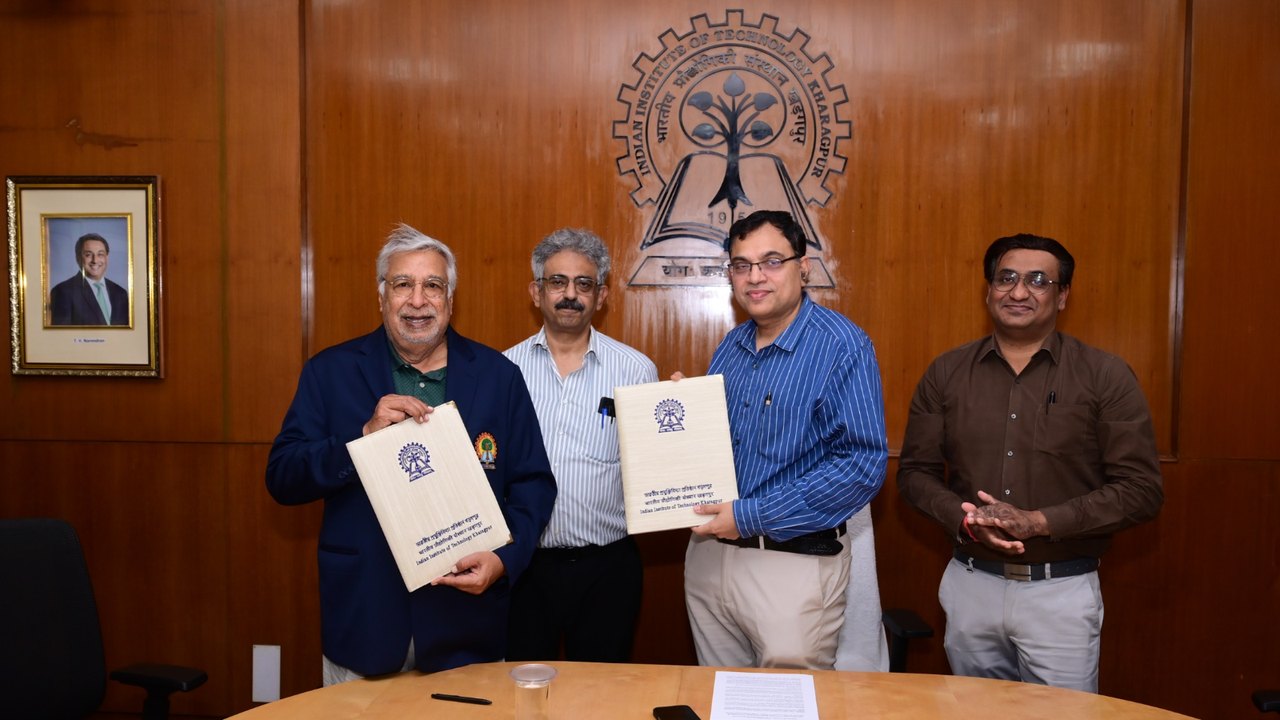 IIT Kharagpur to Establish India's First Physical AI School Focusing on Robotics and Computational Engineering
 State Bank of India Fixed Deposit Interest Rates: Overview of Tenures and Returns for General and Senior Citizens
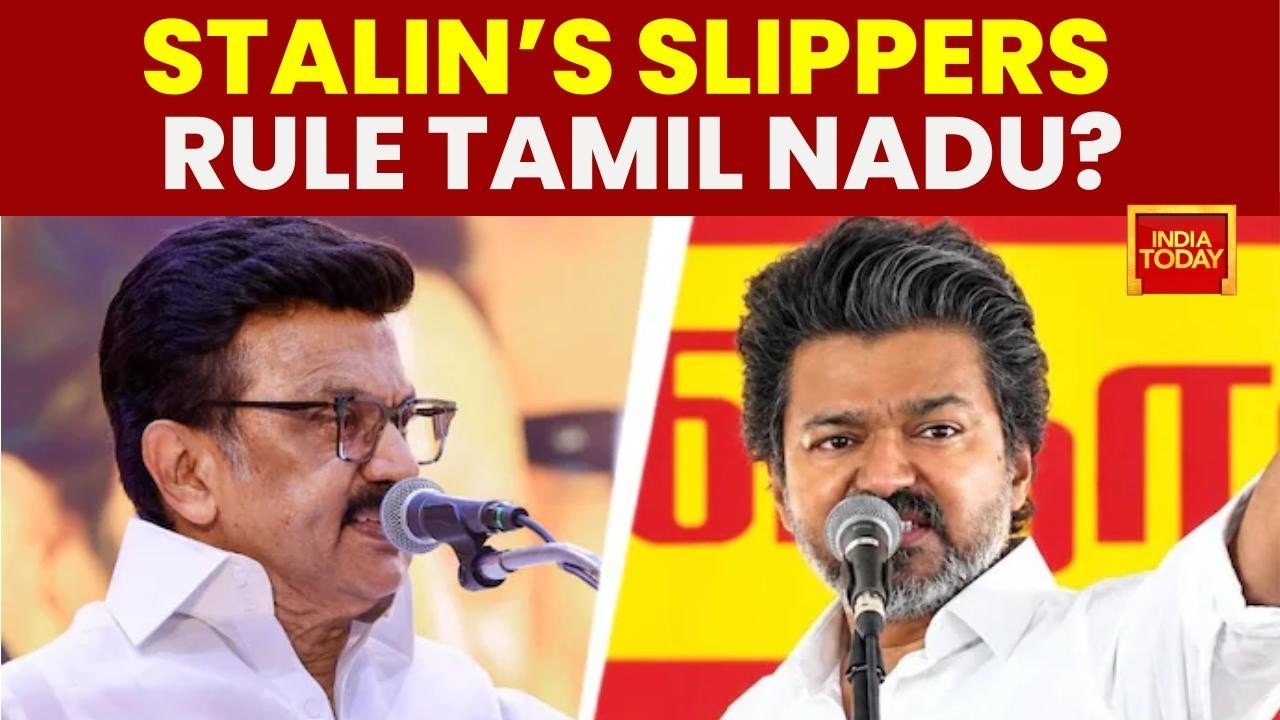 DMK Leader Leoni Draws Ramayana Parallel in Political Rift Over Stalin's 'Slippers' and State Initiatives
 Political Tensions Mount Ahead of INDIA Bloc’s Mega Rally in Delhi
Related coverage
Related reporting available at publication.
IIT Kharagpur to Establish India's First Physical AI School Focusing on Robotics and Computational EngineeringState Bank of India Fixed Deposit Interest Rates: Overview of Tenures and Returns for General and Senior CitizensDMK Leader Leoni Draws Ramayana Parallel in Political Rift Over Stalin's 'Slippers' and State InitiativesPolitical Tensions Mount Ahead of INDIA Bloc’s Mega Rally in Delhi Ajay Devgn Moves Bombay High Court Against Maharashtra FDA Notice Over Vimal Advertisement
 PM Modi Vows to Serve India Until Last Breath During Gujarat Visit