Simplifying Administrative and Judicial Processes by Reducing Affidavit Requirements through Technology
· GlobeWire Daily Public Services Desk · Source: navbharattimes.indiatimes.com
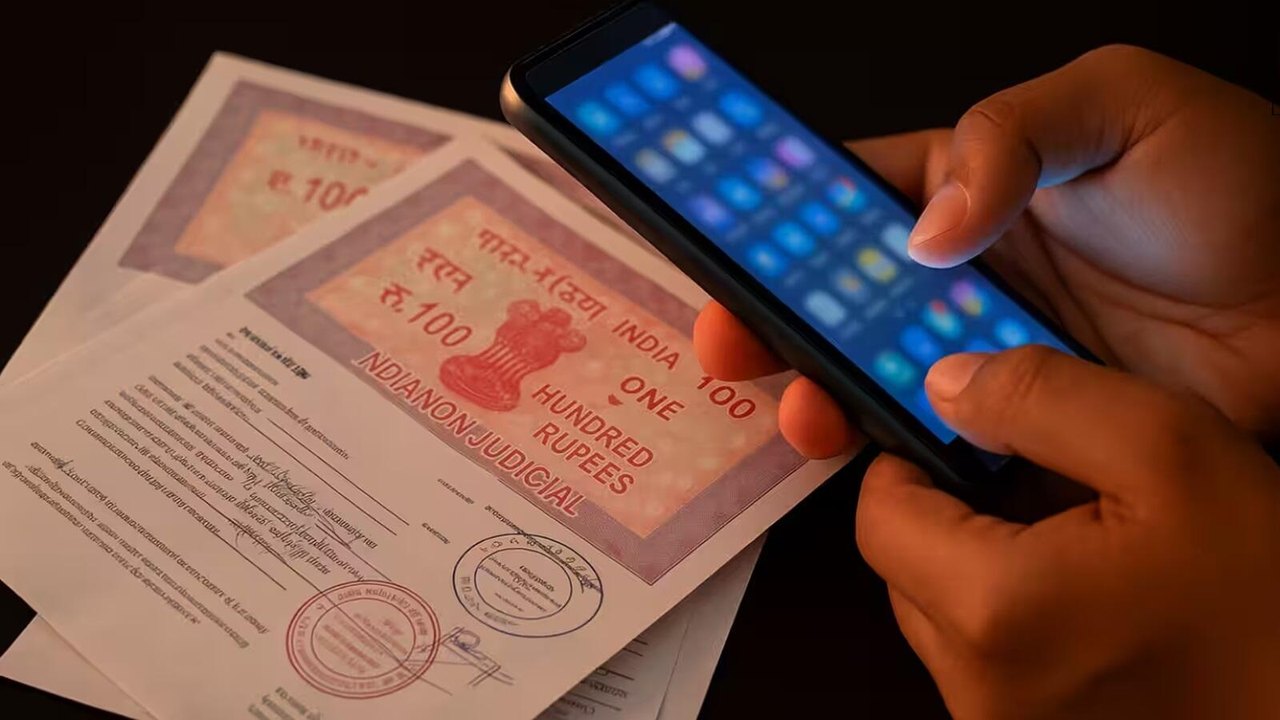
Image: Navbharat Times · Photo source · Resized and letterboxed to 16:9; no AI generation
According to an article by Supreme Court advocate Virag Gupta published in Navbharat Times, leveraging modern technology and self-certification can help eliminate the mandatory requirement for traditional affidavits, thereby reducing administrative and judicial delays. The historical background of affidavits traces back to the 1840 regulation, followed by the 1848 Calcutta Supreme Court regulation, the 1861 High Court Act, and the Oaths Act of 1969 based on the 28th Law Commission report.
Evolution and Reductions in Affidavits
- Self-Certification Initiatives: In June 2014, steps were initiated across central government departments to replace affidavits and gazetted officer attestations with self-certification to curb red tape and corruption.
- Upcoming Changes: Moves are underway to remove the requirement for executive magistrate or notary-verified affidavits for age or address proof in driving licenses, a reform that needs broader state and local adoption.
- Technological Integration: Former Chief Justice of India D.Y. Chandrachud emphasized aligning procedures with modern technology, accelerated by virtual hearings during the pandemic and digital signatures on court orders.
Legal Mandates and Pending Cases
- Elections and Criminal Proceedings: Under the Representation of the People Act, candidates must submit affidavits; providing false information can lead to election cancellation and criminal prosecution, as clarified by Supreme Court rulings regarding magistrate court complaints.
- Pendency Statistics: With approximately 5.83 million cases currently pending in courts, false affidavits in civil and property disputes contribute significantly to judicial backlog.
- Penalties: Previous rulings by the Supreme Court in 2016 and the Allahabad High Court have upheld hefty fines (such as ₹10 lakh and ₹15 lakh) for submitting false affidavits, though experts argue that stricter criminal actions are necessary.
Practical Implications and Verification
Experts suggest replacing routine affidavits with Aadhaar authentication for self-declarations and utilizing tools like Nyay-Setu, e-Summons, and e-Sakshya. Readers can verify original government policy notifications and legislative amendments through official portals of the Ministry of Law and Justice or respective state administration websites. Original images and specific third-party claims should be cross-checked independently.
AI-assisted reporting; source claims are attributed and have not been independently verified.
More to read
 Madhya Pradesh Government Plans Revenue Generation from 117-Year-Old Edward Villa in Mumbai Through Leasing
 Wife Saves Husband's Life Through Kidney Donation on Karwa Chauth
 PM Modi Cites ₹50 Lakh Crore Benefit for Farmers Through Key Government Schemes
 Madhya Pradesh Government Cracks Down on Administrative Irregularities
Trending on GlobeWire Daily
Selected from recent coverage and related topics; not live search rankings.
Madhya Pradesh Government Plans Revenue Generation from 117-Year-Old Edward Villa in Mumbai Through Leasing iPhone 18 Pro Named TechRadar Product of the Year 2026
 Google Project Suncatcher Runs Gemma 4 AI on Orbiting Satellite and Receives First Response
 Gender Disparities in Eye Care Access Across India Examined
 Satellite Images Show Cyclone Arnab Weakening Over India As New System Brews
 Expanding Green and Blue Spaces Crucial for India's Economic and Public Health, Reports Indicate