Tamil Nadu Rooftop Solar Subsidy Scheme: Key Details and Assistance Structure
· GlobeWire Daily Public Services Desk · Source: www.govtschemes.in
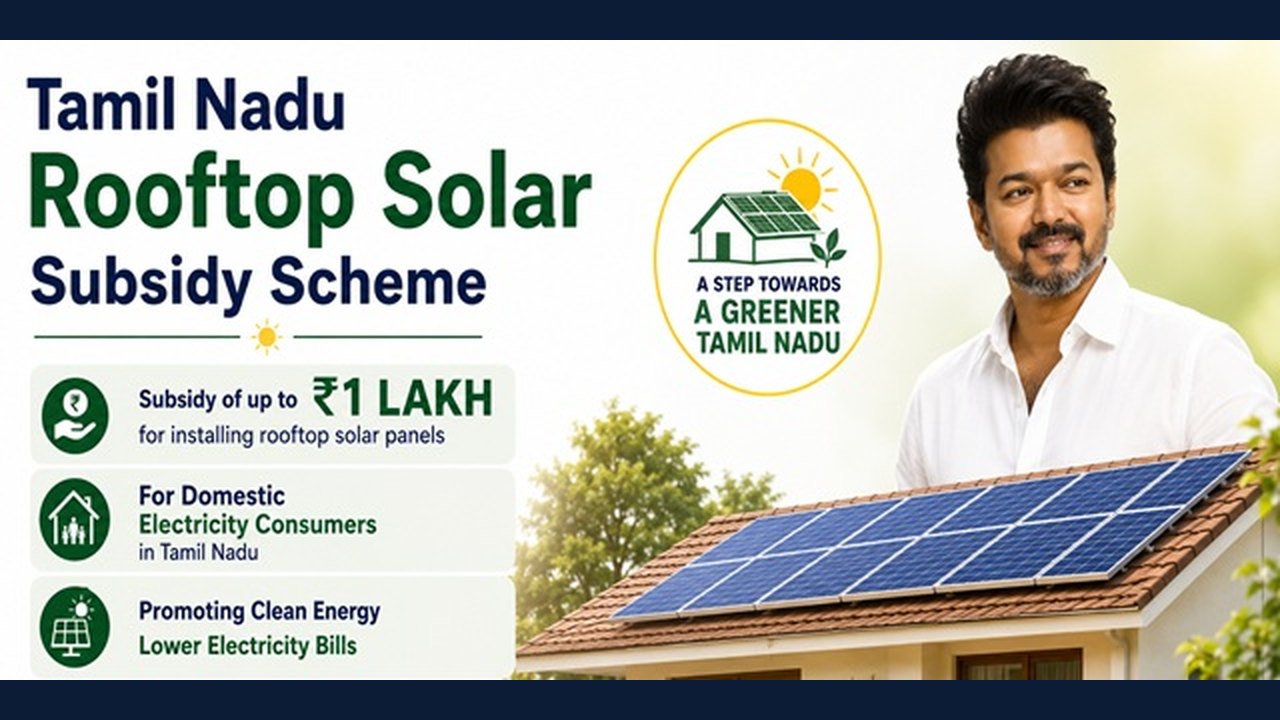
Image: www.govtschemes.in · Photo source · Resized and letterboxed to 16:9; no AI generation
Overview of the Tamil Nadu Rooftop Solar Subsidy Scheme
The Tamil Nadu Rooftop Solar Subsidy Scheme is a State government initiative designed to make rooftop solar panel installations more affordable for domestic electricity consumers. Approved through a Government Order, the scheme provides additional financial assistance from the State alongside the central assistance available under the Pradhan Mantri Surya Ghar Muft Bijli Yojana.
The initiative aims to encourage households to adopt renewable energy, lower their electricity expenses, and increase clean energy usage across the State. According to available details, the scheme is targeted to benefit 1 lakh domestic electricity consumers with a budget allocation of ₹50 crore.
Subsidy Structure and Financial Assistance
Eligible households can receive a combined central and State subsidy of up to ₹1 lakh for installing residential rooftop solar systems. The financial assistance is distributed based on the capacity of the installed system:
- Up to 1 kW System: Central subsidy combined with a State top-up of ₹5,000 (total assistance up to ₹35,000).
- Up to 2 kW System: Central subsidy combined with a State top-up of ₹10,000 (total assistance up to ₹70,000).
- 3 kW and Above Systems: Central subsidy combined with a State top-up of ₹22,000 (total assistance up to ₹1 lakh).
The State subsidy is credited directly to the beneficiary's bank account through Direct Benefit Transfer (DBT) after successful installation, net-metering, commissioning, verification, and disbursal of the central subsidy.
Eligibility and Application Process
While final guidelines may be subject to revision by the State government, tentative eligibility parameters include:
- The applicant must be a domestic electricity consumer in Tamil Nadu.
- Registration on the PM Surya Ghar portal must have occurred on or after 5 August 2026.
- The household must have a valid electricity connection and a suitable roof.
- The system must undergo successful inspection, net-metering, and commissioning.
How to Apply
Applicants do not need to submit a separate application for the State subsidy. The process is integrated with the central framework:
- Visit the official PM Surya Ghar Muft Bijli Yojana portal and initiate registration using your electricity consumer number and mobile number.
- Select Tamil Nadu as your State and Tamil Nadu Power Distribution Corporation Limited (TNPDCL) as your distribution company.
- Obtain technical feasibility approval and install the system through an empanelled vendor using compliant solar modules.
- Submit installation details for inspection, net-metering, and commissioning by TNPDCL.
- Upon verification and crediting of the central subsidy via DBT, relevant details are shared with State authorities for the subsequent release of the State top-up subsidy.
Consumers can verify official announcements and guidelines directly through the PM Surya Ghar portal or via designated toll-free helpline numbers such as 18004252500 for TN schemes and 15555 for the national portal.
AI-assisted reporting; source claims are attributed and have not been independently verified.
More to read
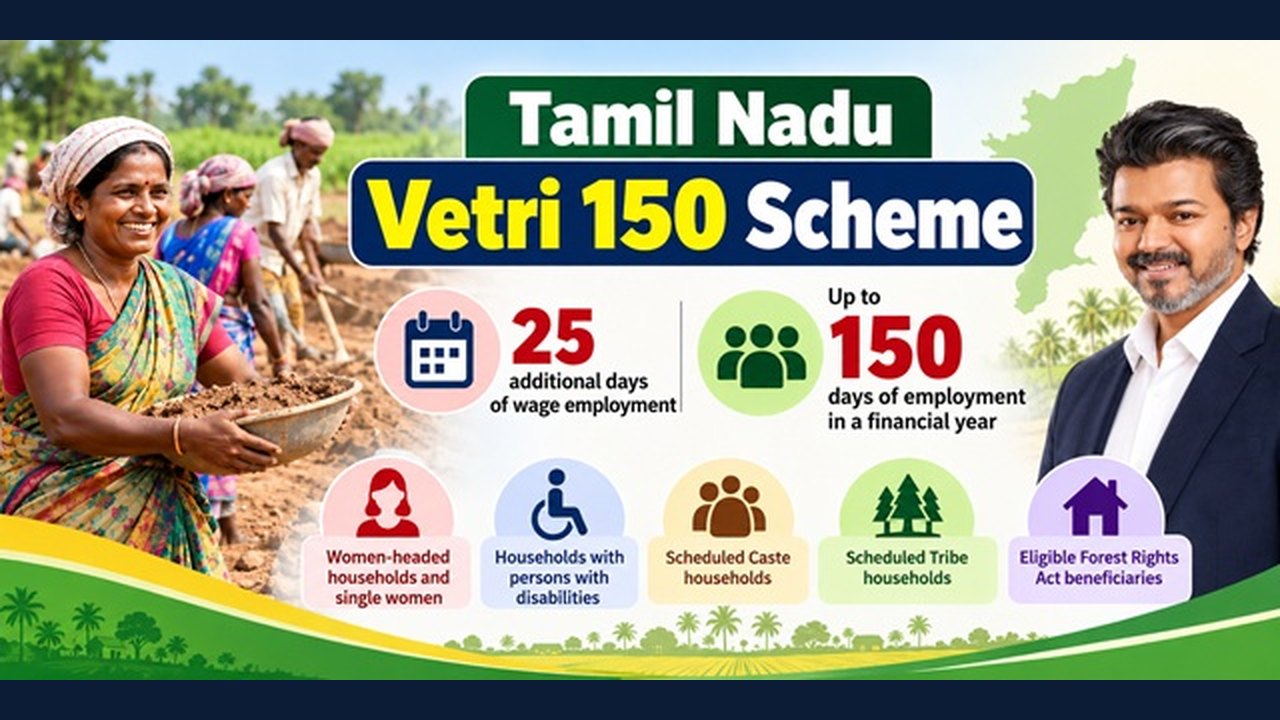 Tamil Nadu Announces Vetri 150 Scheme to Provide 25 Extra Days of Rural Wage Employment
 Uttar Pradesh One District One Cuisine (ODOC) Financing Assistance Scheme Overview
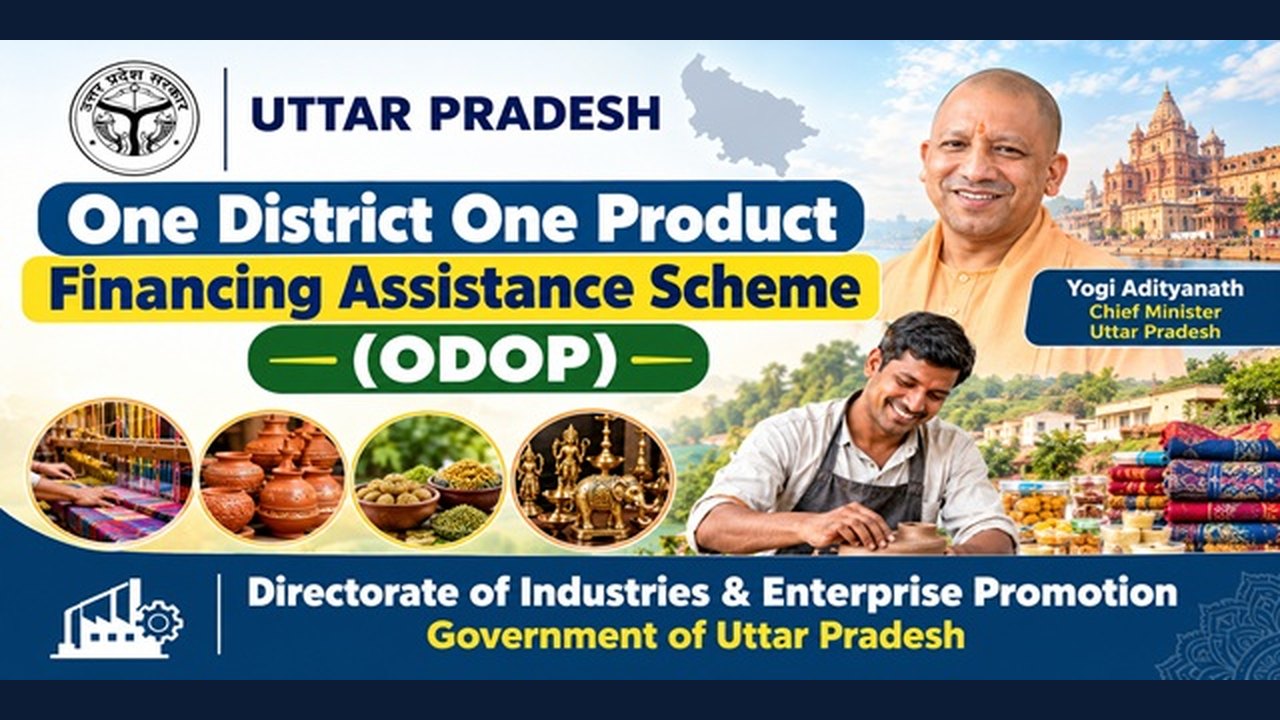 Understanding the Uttar Pradesh One District One Product (ODOP) Financing Assistance Scheme
 Uttar Pradesh ODOP Training and Toolkit Scheme: Overview and Application Details
Trending on GlobeWire Daily
Selected from recent coverage and related topics; not live search rankings.
Uttar Pradesh One District One Cuisine (ODOC) Financing Assistance Scheme OverviewUnderstanding the Uttar Pradesh One District One Product (ODOP) Financing Assistance Scheme Uttar Pradesh Plans Sardar Vallabhbhai Patel Skill and Employment Scheme for 2026Uttar Pradesh ODOP Training and Toolkit Scheme: Overview and Application Details
 Buell 1125R: Specifications & buying guide
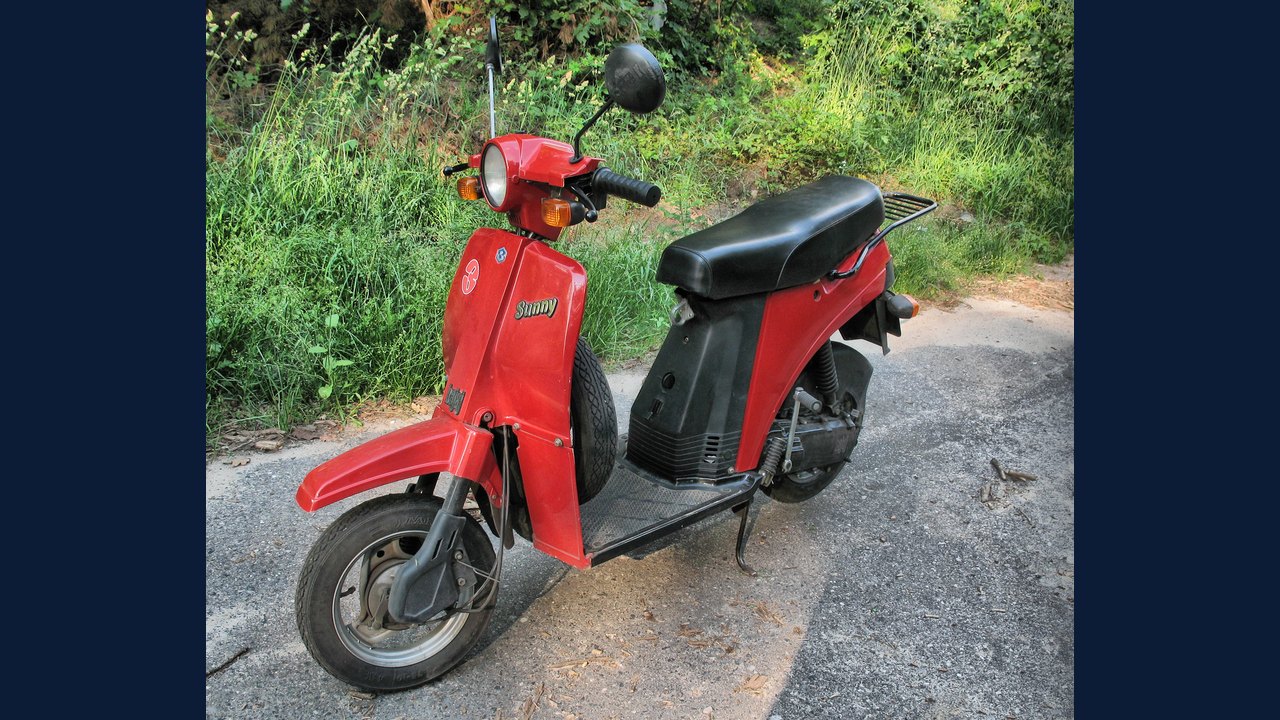 Bajaj Sunny: Specifications & buying guide