Understanding Khadi Gramodyog Vikas Yojana: Benefits, Components, and Application Process
· GlobeWire Daily Public Services Desk · Source: www.govtschemes.in
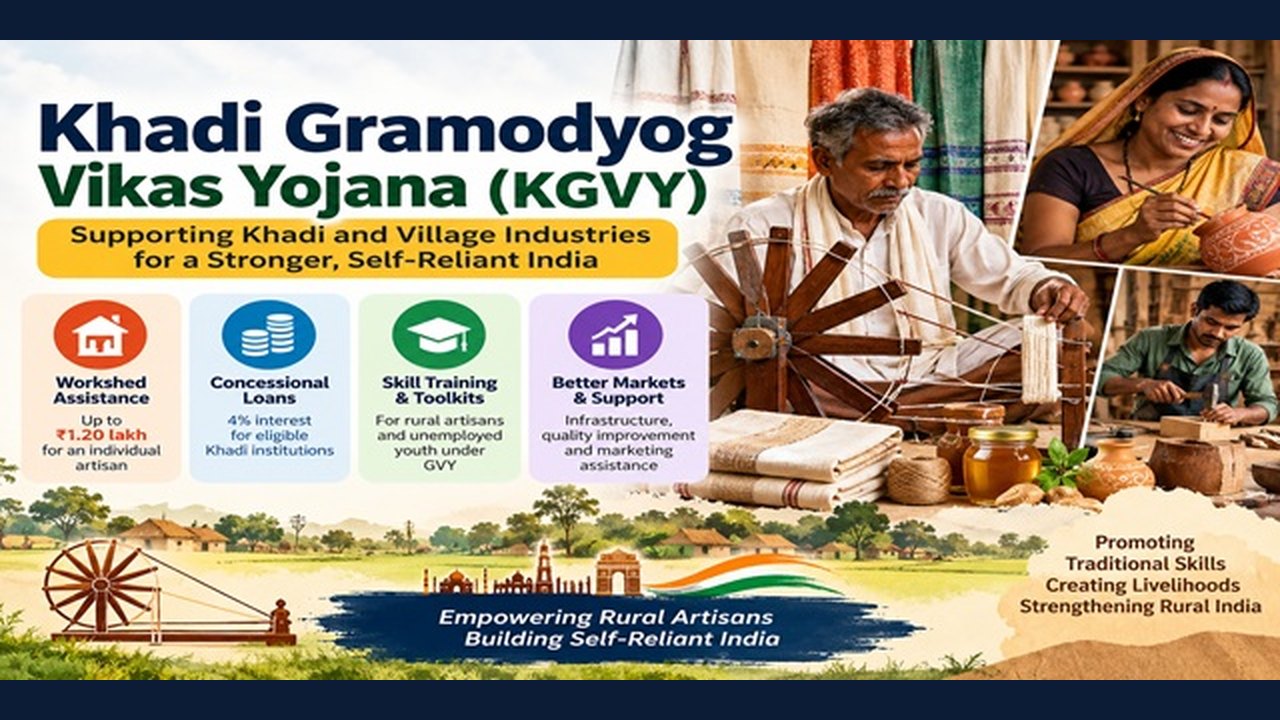
Image: www.govtschemes.in · Photo source · Resized and letterboxed to 16:9; no AI generation
Overview of Khadi Gramodyog Vikas Yojana
The Khadi Gramodyog Vikas Yojana (KGVY) is a Central Sector Scheme introduced in November 2019 by the Government of India. Implemented by the Khadi and Village Industries Commission (KVIC) under the Ministry of Micro, Small and Medium Enterprises (MSME), the scheme aims to support traditional artisans, rural workers, and village industries. It brings together financial assistance, skill development, and infrastructure support under a single umbrella to make traditional products more competitive in the market.
Core Components of the Scheme
The scheme is divided into three primary components, each serving a distinct purpose:
- Khadi Vikas Yojana (KVY): Focuses on the Khadi sector (cotton, woollen, silk, and Polyvastra). It offers artisan incentives, concessional credit, workshed construction, infrastructure upgrades, and marketing support.
- Gramodyog Vikas Yojana (GVY): Promotes rural village industries through skill training, machinery, and toolkits across six key areas, including agro-based food processing, wellness and cosmetics, handmade paper and leather, and rural engineering.
- Khadi Grant: Covers establishment expenses for KVIC officers and staff to support the administration of the scheme.
Key Benefits and Assistance
Registered beneficiaries and institutions may qualify for several forms of assistance, subject to specific guidelines and fund availability:
- Workshed Assistance: Eligible individual artisans may receive up to ₹1.20 lakh for constructing a workshed, while groups of 5 to 15 artisans can receive up to ₹80,000 per artisan for a group workshed.
- Concessional Credit: Eligible Khadi institutions can access working-capital credit at an effective interest rate of 4% per annum under the Interest Subsidy Eligibility Certificate (ISEC) scheme.
- Wage Revisions: Announced revisions include spinning wages set at ₹15 per hank and a 20% increase in weaving wages.
- Skill Training and Toolkits: Rural unemployed youth and traditional artisans aged 18 to 55 can receive training and equipment for trades like pottery, beekeeping, sewing, and electrical services through specific initiatives like the Honey Mission and Kumhar Sashaktikaran.
Eligibility Requirements
Eligibility criteria vary depending on the chosen component:
- For GVY Training: Applicants are generally expected to be between 18 and 55 years old, with priority often given to women, SC/ST communities, and Below Poverty Line (BPL) households, as per applicable rules.
- For KVY and Workshed Support: Artisans typically need to be associated with a recognized Khadi institution or KVIB and meet minimum working-day requirements alongside land ownership or allotment conditions.
Application and Verification Process
There is no single nationwide online application portal or uniform application window for all benefits under KGVY. Interested individuals must verify active application statuses locally.
- Khadi Artisans: Must generally apply through their associated Khadi institution or local KVIB.
- GVY Applicants: Should check for local notifications and training notices issued by their nearest KVIC State or Divisional Office.
- Required Documents: Depending on the programme, documents may include identity proofs like Aadhaar, photographs, caste or BPL certificates, bank details, and land documents for workshed assistance.
Applicants are strongly advised to verify guidelines, contact details, and current application windows directly through the official KVIC website before submitting any paperwork.
AI-assisted reporting; source claims are attributed and have not been independently verified.
More to read
 Gujarat Surya Urja Rooftop Yojana: Understanding Subsidy Structures, Application Steps, and Grid Rules
 DBT Junior Research Fellowship Programme: Structure, Eligibility, and Application Process
 Government Offers Up to ₹25 Lakh Subsidized Loans for Poultry Farming Under NLM: Check Eligibility and Application Process
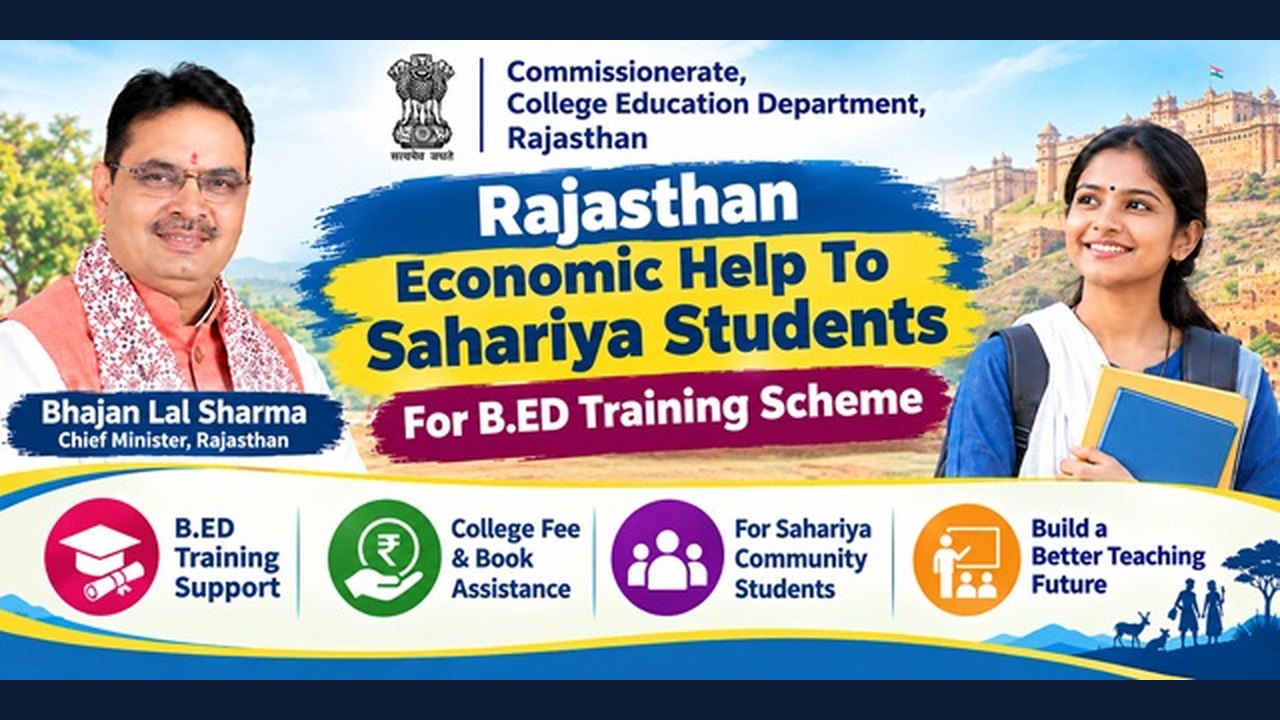 Rajasthan Opens B.Ed. Financial Assistance Scheme for Sahariya Students: Deadlines, Amounts, and Application Process
Trending on GlobeWire Daily
Selected from recent coverage and related topics; not live search rankings.