Air Pollution Can Harm Even Healthy Lungs: How PM2.5 and PM10 Impact Respiratory Health
· GlobeWire Daily Editorial Desk · Source: news.abplive.com
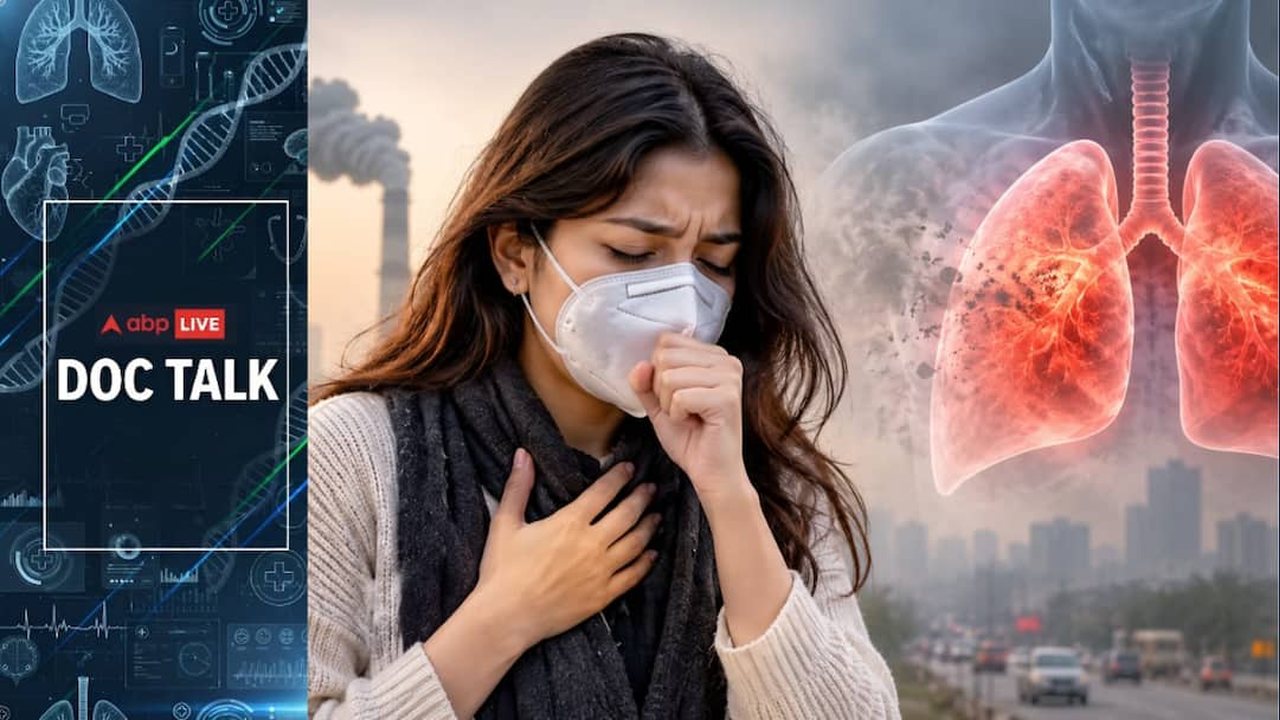
Experts report that air pollution affects not only individuals with pre-existing conditions like asthma or COPD, but can also damage healthy lungs, causing irritation, inflammation, and breathing difficulties. According to medical insights shared by Dr. Abhijeet Singh, Associate Director and Unit Head of Respiratory Medicine and Critical Care at ShardaCare - Healthcity, particulate matter such as PM2.5 and PM10 plays a major role in respiratory damage.
How Particulate Matter Affects the Respiratory System
When we breathe, particulate matter enters our respiratory system:
- Larger particles are often trapped in the nose and upper respiratory tract.
- Smaller particles, notably PM2.5, can travel deep into the lungs and reach the alveoli (air sacs).
- These particles trigger inflammation and irritation, leading to symptoms like persistent coughing, throat irritation, wheezing, chest tightness, and shortness of breath, even in people without prior respiratory issues.
Continuous exposure to pollutants can impair tiny hair-like structures called cilia, which clear mucus and trapped particles, potentially increasing the risk of respiratory infections and reducing long-term lung function.
Indoor Air Quality and Preventive Measures
Air pollution is not restricted to the outdoors. Indoor activities can also degrade air quality:
- Smoking inside the house.
- Burning incense and using mosquito coils.
- Cooking fumes and inadequate ventilation.
To safeguard respiratory health, experts recommend practical precautions:
- Regularly check the Air Quality Index (AQI) and avoid unnecessary outdoor activities or strenuous exercise when pollution levels are high.
- Wear a well-fitted N95 mask if going outside is unavoidable.
- Use air purifiers equipped with HEPA filters indoors.
Individuals experiencing persistent coughing, shortness of breath, wheezing, or chest discomfort should consult a qualified healthcare provider rather than ignoring these signs. Verification of original guidelines and expert recommendations can be conducted through standard medical advisory channels and official health updates.