Caltech Robot Demonstrates Autonomous Space Structure Assembly in Orbit
· GlobeWire Daily Science Desk · Source: timesofindia.indiatimes.com
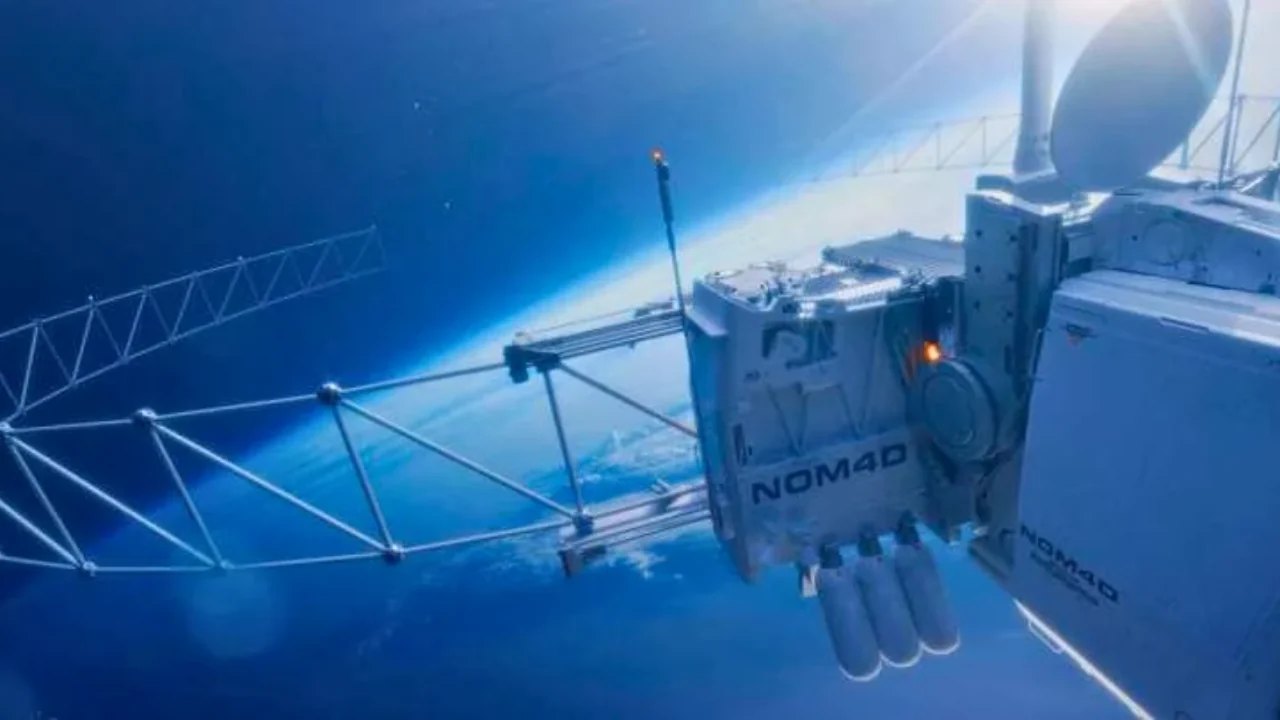
Image: The Times of India · Photo source · Resized and letterboxed to 16:9; no AI generation
A robotic system developed by researchers at the California Institute of Technology (Caltech) has successfully assembled part of an experimental antenna structure in orbit without human intervention. Launched in March 2026, the technology demonstration marks an initial milestone in testing autonomous construction beyond Earth.
The mission is part of the US Defence Advanced Research Projects Agency's (DARPA) Novel Orbital and Moon Manufacturing, Materials and Mass-efficient Design (NOM4D) programme. According to reported announcements, the payload operated aboard a SpaceX mission hosted on a Momentus orbital vehicle.
How the Autonomous System Operates in Orbit
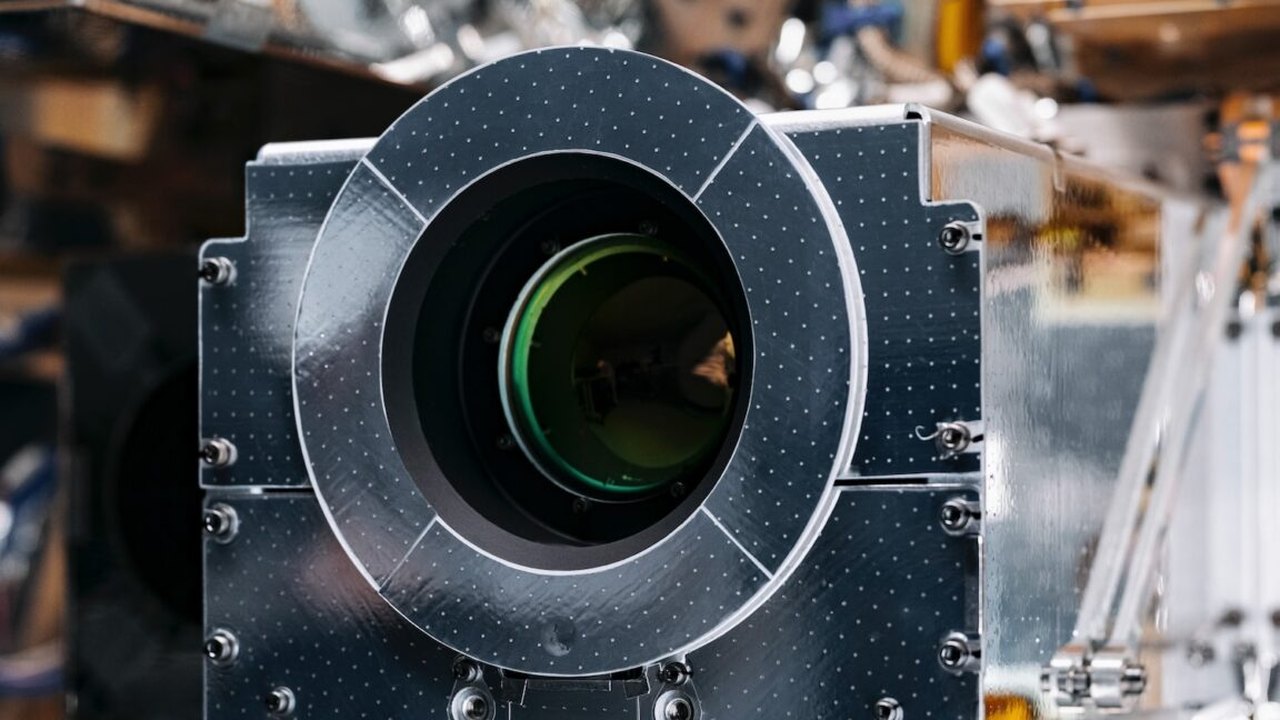
The robotic payload, known as the Autonomous In-Space Tensioned Reflector Assembly (ASTRA), was designed to build truss structures using individual components stored in onboard dispensers.
- Components Used: Composite fibre tubes, aluminium joints, and a reflective Kapton surface.
- Assembly Method: An autonomous manipulator collects struts and joints, connecting them into sections or bays similar to construction toys.
- Mission Progress: Following its launch on March 30, 2026, the robot successfully built an additional section of the truss beyond two preassembled sections.
Sergio Pellegrino, Caltech's team leader, described the achievement as a first for autonomous construction in space. While researchers on Earth sent commands and reviewed transmitted photographs, the physical assembly was handled entirely by the orbital system.
Overcoming Operational Challenges
The demonstration faced notable operational hurdles, including limited communication windows of approximately seven to eight sessions lasting around 15 minutes daily. When unexpected issues arose, engineers tested solutions on a laboratory replica at Caltech before relaying instructions to the flight unit.
DARPA programme manager Andrew Detor noted that current rocket cargo space restricts the size of objects launched from Earth. Autonomous in-orbit manufacturing aims to bypass these limits by transporting compact building components instead of fully assembled installations.
Future Implications and Verification
The ASTRA project serves as a proof of concept rather than a fully deployed manufacturing system. Researchers intend to refine the design for future applications, which could potentially support large solar arrays, space-based radio antennas, and advanced telescopes.
Additional milestones are anticipated within the NOM4D programme, including a planned experiment by a University of Illinois Urbana-Champaign team aboard the International Space Station. Observers can verify these developments through official releases from DARPA, Caltech, and academic project documentation.
AI-assisted reporting; source claims are attributed and have not been independently verified.
More to read
 Galileo C1-W Robot Dog Deployed in Polish Warehouse for Autonomous Inspection
 Google Suncatcher Prototype Space Data Center Satellite Goes Online in Orbit
 Voyager 1 Reaches One Light-Day Distance Milestone in Interstellar Space
 Anduril Demonstrates New Infrared Sensor for Tracking Satellites in Earth's Shadow