Doc Talk: How Air Pollution Impacts Heart Health Beyond Lung Damage
· GlobeWire Daily Science Desk · Source: news.abplive.com
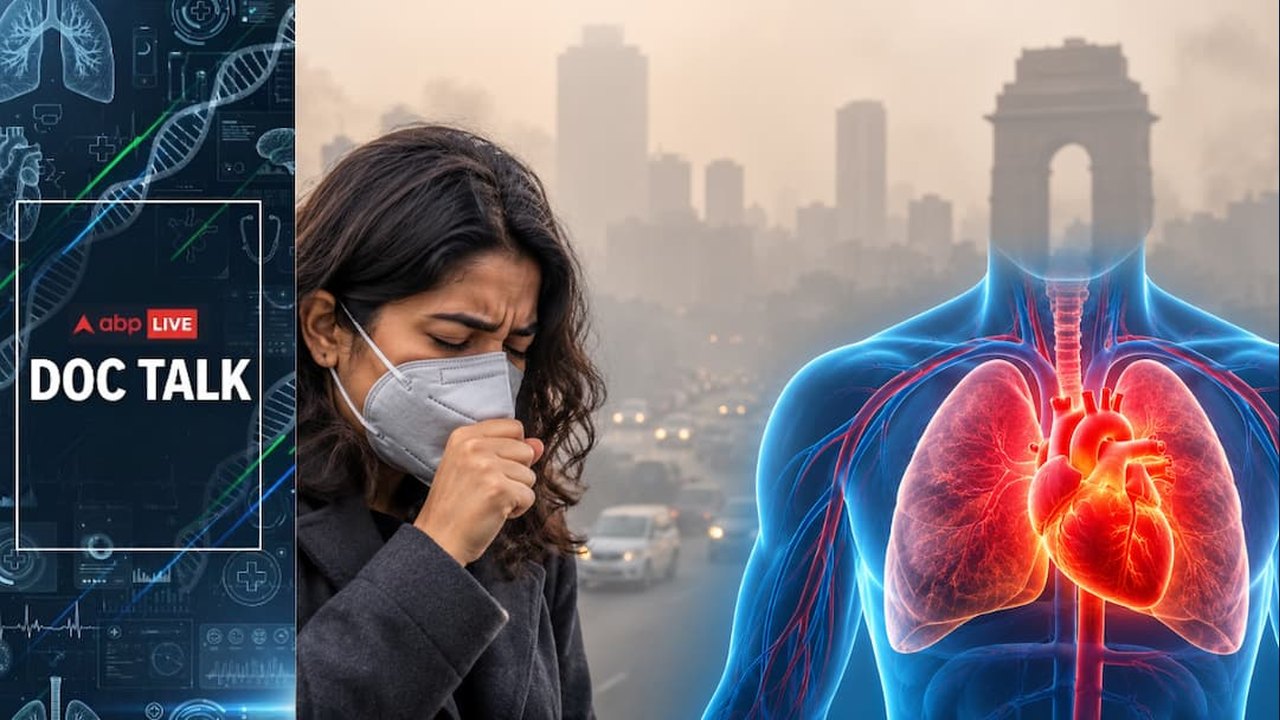
Image: Dr. Harish Kumar Verma · Photo source · Resized and letterboxed to 16:9; no AI generation
Air pollution is widely known for causing respiratory issues such as coughing and breathing difficulties, but reports indicate it poses significant risks to the cardiovascular system as well. Experts discuss how fine particulate matter can affect heart health and outline steps to reduce exposure.
Impact on the Cardiovascular System
Medical discussions highlight that fine particulate matter, specifically PM2.5, can penetrate deep into the lungs. This process can trigger inflammation and oxidative stress, which may extend beyond the respiratory system to affect blood vessels and normal cardiovascular function.
- Endothelium Impairment: Pollution exposure may impair the inner lining of blood vessels that regulates blood flow.
- Increased Strain: It can contribute to elevated blood pressure, rhythm disturbances, and a higher tendency for blood clot formation.
- Elevated Risks: These physiological changes can increase the likelihood of heart attacks or strokes, particularly for individuals with pre-existing risk factors like hypertension, diabetes, high cholesterol, or smoking habits.
Vulnerability and Gradual Damage
While older adults and individuals with pre-existing heart or respiratory conditions face heightened vulnerability, reports emphasize that younger and otherwise healthy people are not completely immune. The extent of the impact depends on exposure intensity, duration, lifestyle, and individual susceptibility. Repeated exposure can also lead to gradual cardiovascular damage that might remain unnoticed over time.
Practical Steps for Reduction and Verification
Public health discussions recommend minimizing exposure when pollution levels rise:
- Monitor AQI: Regularly check the Air Quality Index before planning outdoor activities.
- Limit Strenuous Exercise: Avoid intense outdoor workouts during severe pollution episodes to reduce the inhalation of pollutants caused by higher breathing rates.
- Use Protection: Wear a well-fitted N95 mask if outdoor exposure cannot be avoided.
- Indoor Quality: Maintain clean indoor air and avoid tobacco smoke.
Individuals should remain vigilant for warning signs such as chest pain, unusual breathlessness, dizziness, or stroke symptoms like facial drooping and sudden weakness, which require prompt medical attention. Official air quality announcements and health advisories can be verified through local meteorological departments and certified public health agencies.
AI-assisted reporting; source claims are attributed and have not been independently verified.
More to read
 Doc Talk: Why Are Your Wounds Taking Too Long to Heal? 5 Health Factors
 Doc Talk: Understanding Abdominal Epilepsy and Unusual Seizure Symptoms
 Doc Talk: Why Healthy Adults Without Asthma or Smoking Habits Are Feeling Breathless in Delhi-NCR
 Delhi-NCR Air Quality Remains 'Very Poor' Post-Diwali As Doctors Issue Health Warnings