Doc Talk: Why Healthy Adults Without Asthma or Smoking Habits Are Feeling Breathless in Delhi-NCR
· GlobeWire Daily Science Desk · Source: news.abplive.com
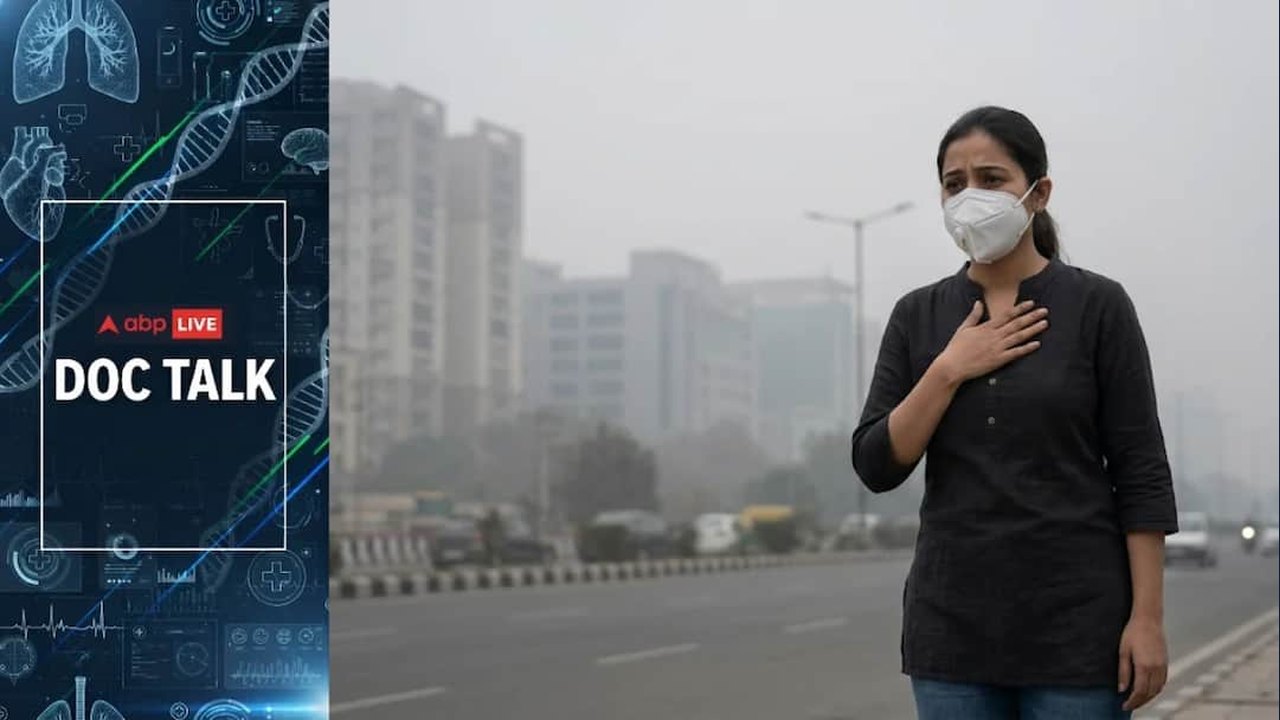
Image: Dr Arjun Khanna · Photo source · Resized and letterboxed to 16:9; no AI generation
Many healthy, non-smoking adults with no history of asthma in the Delhi-NCR region have reported experiencing unexpected breathlessness during daily activities like climbing stairs or taking walks. Reports discuss how polluted air impacts healthy lung tissue and why even fit individuals are vulnerable.
How Air Pollution Affects Healthy Lungs
Adults inhale thousands of liters of air daily. During severe pollution periods, this air contains microscopic particles such as PM2.5, nitrogen dioxide, and other harmful substances.
- Deep Infiltration: PM2.5 particles can travel deep into the lungs to the tiny air sacs responsible for oxygen exchange.
- Oxidative Stress: Inhaled pollutants can trigger inflammation, increase mucus production, and cause temporary narrowing of breathing tubes.
- Symptoms: This can result in coughing, chest tightness, wheezing, or breathlessness in people with previously normal lung function.
Vulnerability of Young and Fit Individuals
Physical fitness does not immunize lungs against pollution. Individuals who exercise outdoors may inadvertently increase their exposure because faster, deeper breathing draws more polluted air into the respiratory system. Repeated exposure can also unmask undiagnosed asthma or airway hyperreactivity. Research cited from respiratory health organizations indicates that short-term exposure to high particulate levels can reduce lung function and aggravate symptoms.
However, experts note that breathlessness should not be automatically attributed solely to pollution, as cardiac conditions, respiratory infections, and other illnesses can present with similar symptoms.
Practical Safety Measures
- Treat the Air Quality Index as a guide for daily decisions rather than a simple weather report.
- Move strenuous workouts like running or cycling indoors when pollution levels are very poor.
- Use a properly fitted N95 mask when traveling outdoors.
- Minimize indoor pollution sources by avoiding smoking, incense, mosquito coils, and unnecessary burning.
- Consider using a correctly sized HEPA air purifier in the bedroom.
- Experts caution that there is no convincing clinical evidence supporting steam inhalation, herbal teas, or lung detox remedies for reversing pollution damage.
When to Seek Medical Attention
Consult a physician if you experience persistent wheezing, a lingering cough, or breathlessness during normal activities. Pulmonologists may use spirometry to assess airflow obstruction. Seek immediate emergency care for sudden, severe breathlessness accompanied by chest pain, fainting, confusion, or bluish lips.
Addressing the crisis requires sustained action on emissions, transport, industry, and construction dust, alongside individual precautions.
AI-assisted reporting; source claims are attributed and have not been independently verified.
More to read
 Doc Talk: Why Are Your Wounds Taking Too Long to Heal? 5 Health Factors
 Doc Talk: How Air Pollution Impacts Heart Health Beyond Lung Damage
 Doc Talk: Understanding Abdominal Epilepsy and Unusual Seizure Symptoms
 Delhi-NCR Air Quality Remains 'Very Poor' Post-Diwali As Doctors Issue Health Warnings