Doc Talk: How to Identify Between Dandruff and Dry Scalp
· GlobeWire Daily Science Desk · Source: news.abplive.com
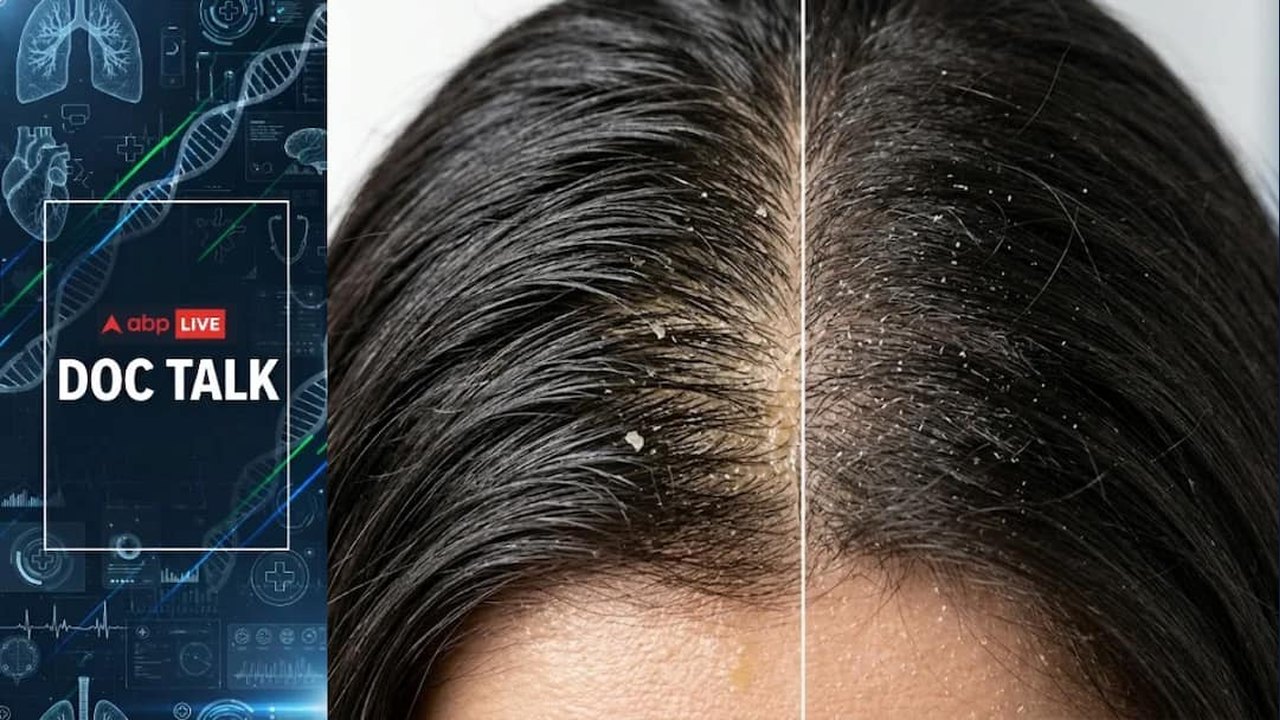
Image: Dr Manoj Kumar H Parekh · Photo source · Resized and letterboxed to 16:9; no AI generation
Expert guidance discusses the differences between a dry scalp and true dandruff, helping individuals identify the root cause of visible flakes before selecting a treatment approach.
Understanding Scalp Flaking
Many people experience persistent white specks on their shoulders despite trying various home remedies and over-the-counter anti-dandruff shampoos. According to dermatological insights, not all flakes are the same. A dehydrated scalp and an oily, dandruff-prone scalp both shed skin, but their underlying mechanisms differ completely.
Dandruff Versus Dry Scalp
- True Dandruff: This condition is linked to an overgrowth of Malassezia, a yeast-like fungus that feeds on excess sebum on oily scalps. This process creates irritating byproducts, leading to inflammation, rapid cell turnover, and visible, clumped flakes accompanied by persistent itching. Oily flakes are typically larger, yellowish, sticky, and clumped.
- Dry Scalp: A dehydrated scalp results from a lack of moisture rather than fungal overgrowth. Dry flakes are usually smaller, powdery, scatter easily, and are often accompanied by a tight sensation on the scalp.
Choosing the Right Treatment
Using a standard anti-dandruff shampoo for every type of flaking can sometimes worsen the issue. Formulations designed to strip excess oil and fight fungi can be too harsh for a dry scalp, increasing irritation and tightness. Conversely, heavy moisturizing masks will not clear fungal-driven dandruff on an oily scalp.
Experts suggest selecting targeted, pH-balanced formulations based on biological needs:
- For oily flakes, treatments often target microbial growth.
- For dry flakes, products focus on deep hydration and soothing the skin.
If severe flaking or irritation persists, consulting a qualified dermatologist is recommended over endless product experimentation.
Verification and Disclaimer
Readers can verify original health announcements and expert columns directly on medical publisher platforms. The information shared is intended for general informational purposes only and does not substitute for professional medical advice.
AI-assisted reporting; source claims are attributed and have not been independently verified.
More to read
 Doc Talk: How Air Pollution Impacts Heart Health Beyond Lung Damage
 Doc Talk: Understanding Abdominal Epilepsy and Unusual Seizure Symptoms
 Doc Talk: Why Healthy Adults Without Asthma or Smoking Habits Are Feeling Breathless in Delhi-NCR
 Doc Talk: Why Are Your Wounds Taking Too Long to Heal? 5 Health Factors