Gaza Floods Force Al Maghazi Camp to Choose Between Clean Water and Pumping Sewage
· GlobeWire Daily Science Desk · Source: www.wired.com
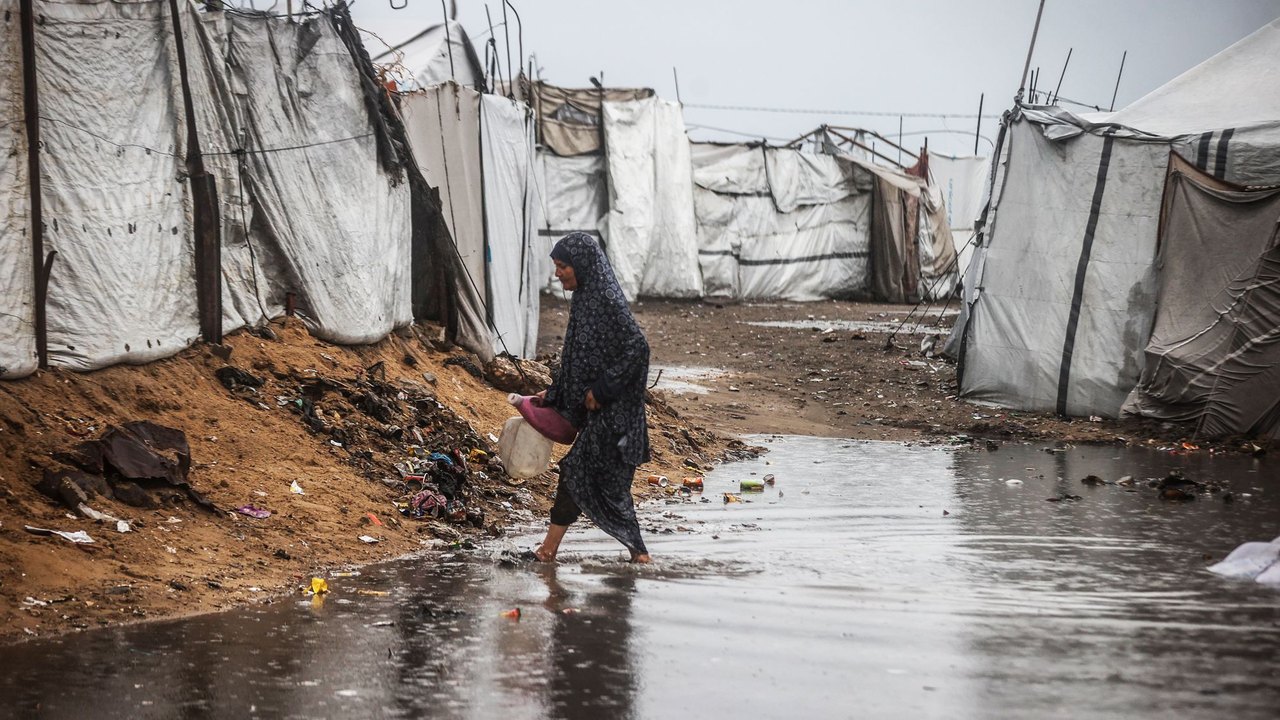
Image: Isra Namey · Photo source · Resized and letterboxed to 16:9; no AI generation
Heavy rainstorms over the weekend of November 7 and 8, 2024, overwhelmed damaged sewage networks and makeshift shelters in Gaza, forcing municipal teams in Al Maghazi refugee camp to make critical operational choices. According to municipal engineer Imad Abdel Jawad, using diesel to power pumps that clear floodwaters from shelters means diverting scarce fuel away from wells that supply drinkable water to residents.
Impact on Displaced Residents
- Flooded Shelters: The Government Media Office reported that at least 70,000 tents sheltering displaced Palestinians flooded within a 12 hours.
- Damaged Homes and Belongings: In Al Maghazi, resident Hanan Saied described how storm waters soaked bedding and clothing, while mud and stones fell inside her shelter.
- Health Risks: Dr. Asma Saleh, an UNRWA general practitioner, reported rising cases of respiratory and gastrointestinal illnesses among children as winter and the rainy season begin.
Infrastructure and Resource Challenges
- Sewer Overflows: Rainwater has poured into damaged or missing sewage manhole covers, overwhelming networks that lack replacement parts or affordable local alternatives.
- Supply Restrictions: A November 5 report by the United Nations Office for the Coordination of Humanitarian Affairs (OCHA) stated that Israeli authorities have maintained tight restrictions on engine oil, lubricants, spare parts, and new generators.
- Official Response: The Israel Defense Forces did not respond to requests for comment regarding restrictions on equipment needed for infrastructure repairs and flood prevention. The Israel account on X posted that Israel does not control the weather.
Practical Implications and Verification
Readers seeking to verify these reports can consult assessment updates from OCHA, the United Nations, and reports published by regional media outlets. Humanitarian organizations emphasize that restoring sustainable water and sanitation systems depends on lifting import restrictions for solar panels, grid repairs, and essential maintenance equipment.
AI-assisted reporting; source claims are attributed and have not been independently verified.
More to read
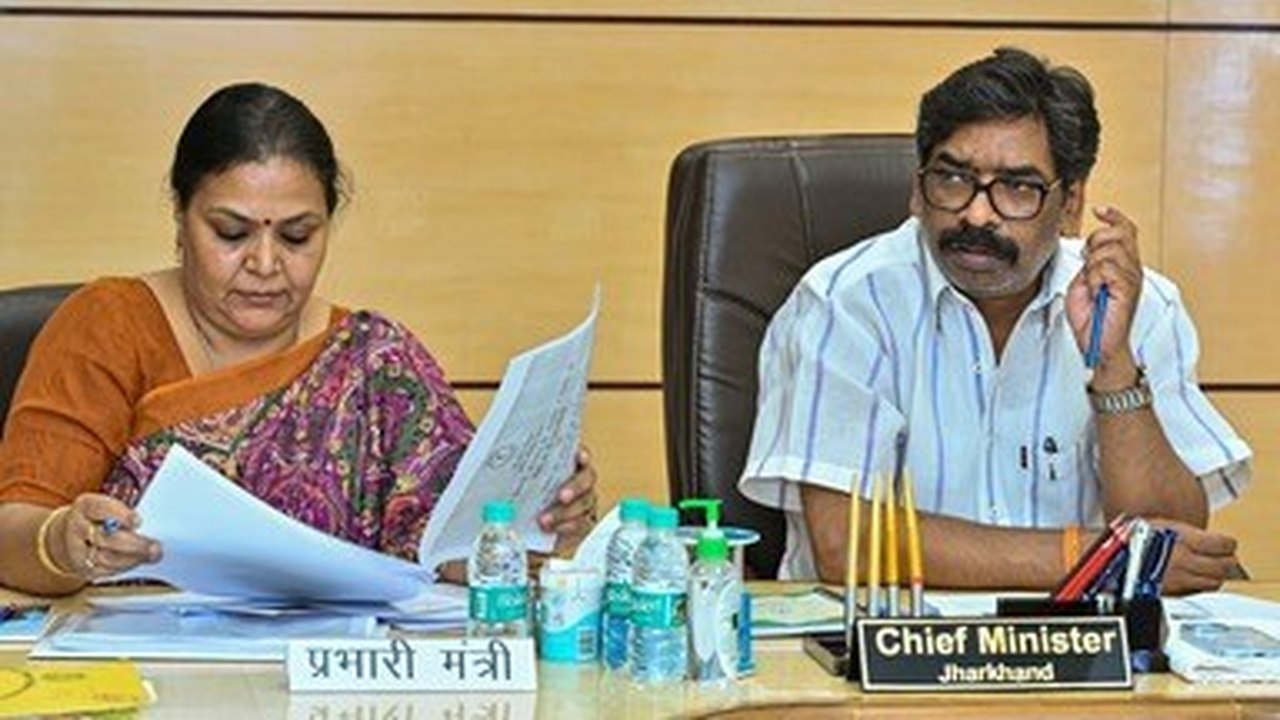 Draft Prepared for Mayurakshi River Water-Sharing Agreement Between Jharkhand and West Bengal
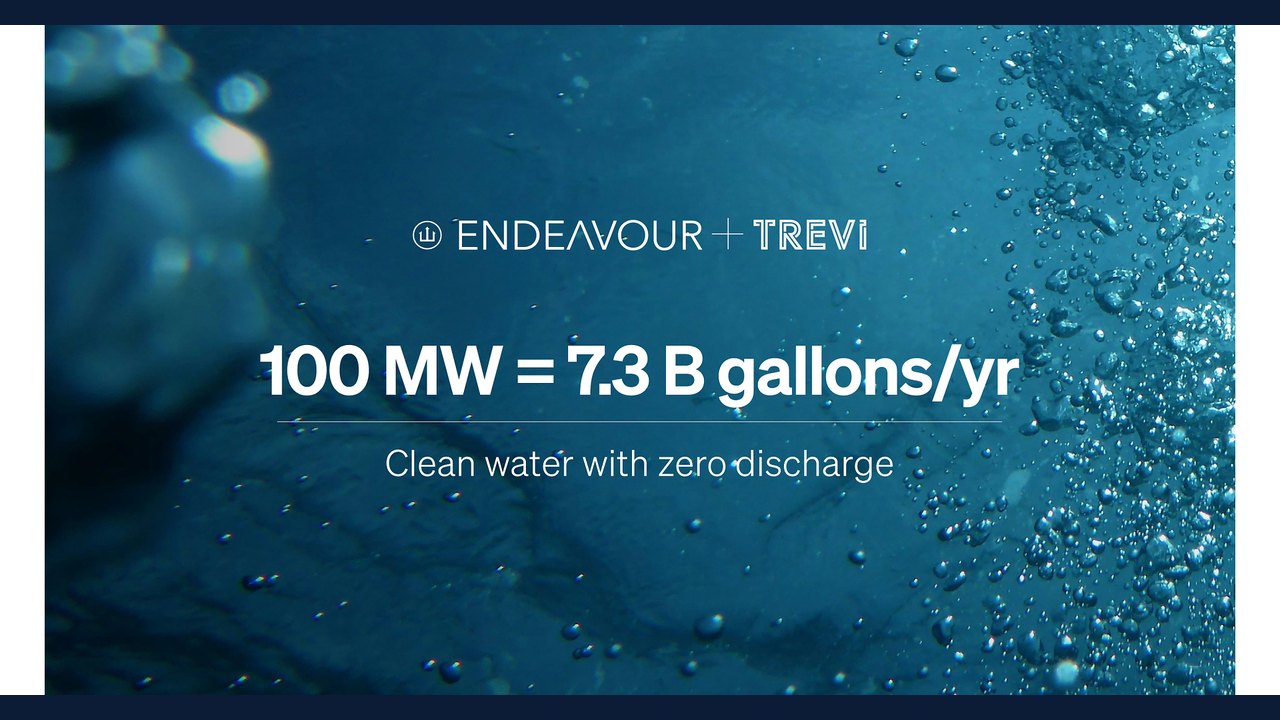 Endeavour‑Trevi partnership aims to turn data‑center waste heat into up to 200,000 gallons of clean water per megawatt
 BJP MP Manoj Tiwari Dips into Yamuna, Claims Clean Water Ahead of Chhath
 Federal Lawsuit Alleges EPA Failed to Regulate Cancer-Linked Pesticide Atrazine Under Clean Water Act