Ghostly Galaxies Missing Dark Matter Challenge Alternative Theories
· GlobeWire Daily Science Desk · Source: www.wired.com
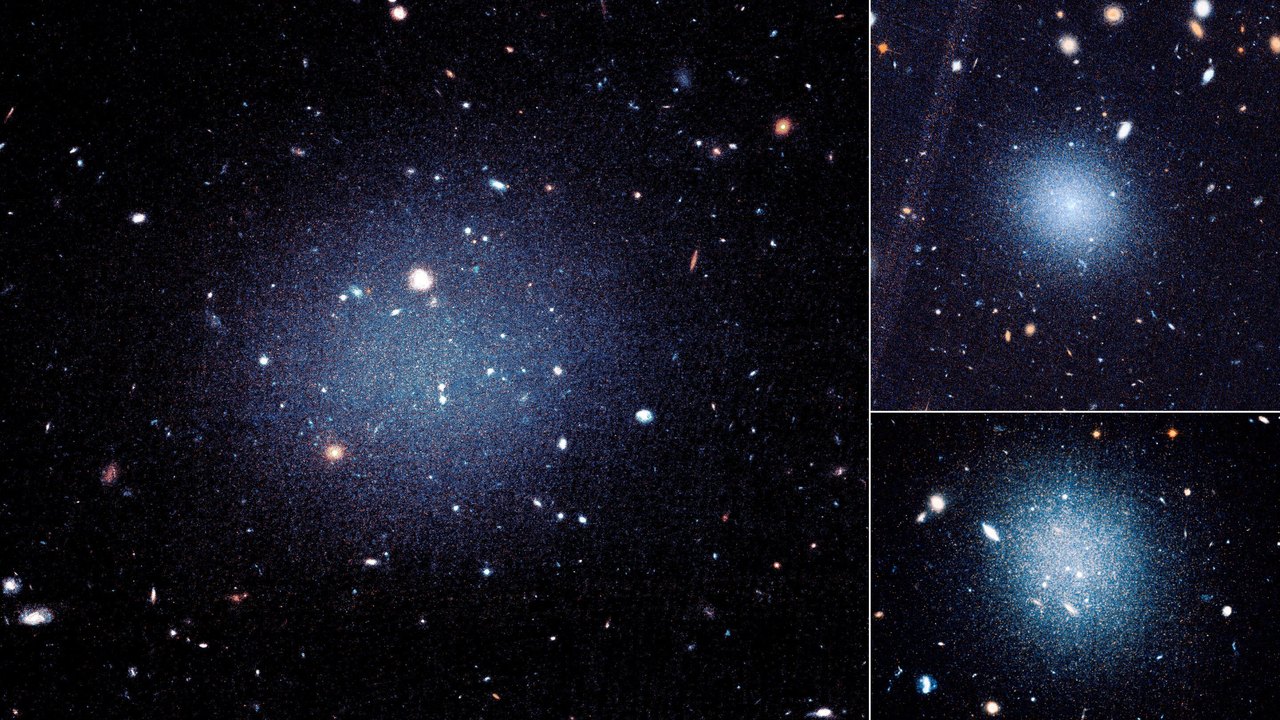
Image: Robin George Andrews · Photo source · Resized and letterboxed to 16:9; no AI generation
Astrophysicists are studying three unusual galaxies—known as DF2, DF4, and DF9—that appear to contain little to no dark matter. Located about 65 million light-years from Earth, these diffuse objects have sparked scientific debate about how they formed and what their existence implies for our understanding of the cosmos.
The Discovery of Dark-Matter-Deficient Galaxies
- DF2: Discovered in 2018, it is roughly the size of the Milky Way but contains significantly fewer stars and a severe lack of dark matter.
- DF4: Observed in 2019, this second phantom galaxy also showed a dramatic dearth of dark matter.
- DF9: Announced in 2026, this third neighbor contains the mass of roughly 100 million suns, consistent with having only ordinary matter.
Proposed Origins and Scientific Debate
A study published in June 2026 in *The Astrophysical Journal* suggests that an ancient collision between two regular galaxies could explain the trio's current state. In this scenario, ordinary gas and dust interacted and clumped together while dark matter passed straight through, separating the two components.
However, alternative interpretations exist. Some experts suggest the galaxies might have been stripped of their dark matter while passing through a large group of massive galaxies. Others remain cautious about confirming the exact formation mechanism.
Implications for Dark Matter and Modified Gravity
The existence of galaxies lacking dark matter presents a significant challenge to alternative theories such as modified Newtonian dynamics (MOND), which proposes altering our understanding of gravity rather than invoking invisible dark matter. Researchers argue that it is more plausible to separate physical matter via collisions than to alter fundamental laws of nature, further supporting the view that dark matter is a real physical substance.
Despite these insights, the exact identity of dark matter remains unknown. Scientists continue to investigate various candidates, such as weakly interacting massive particles (WIMPs) and primordial black holes, while relying on independent lines of evidence to confirm its role in shaping the universe.
AI-assisted reporting; source claims are attributed and have not been independently verified.
More to read
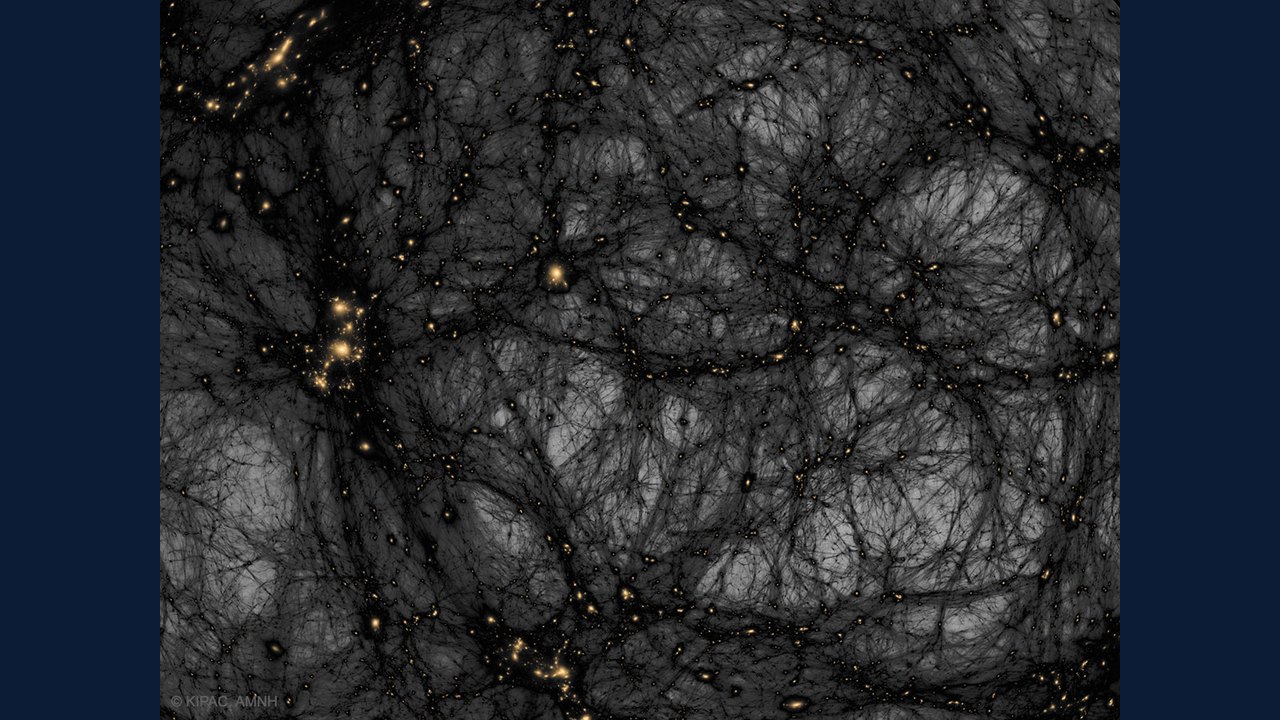 Mapping the Cosmic Web: Visualizing Dark Matter in Modern Simulations
 NASA's James Webb Space Telescope Reveals Detailed Map of Dark Matter's Influence
 Euclid Telescope Releases First Massive Data Set, Opening New Window on Dark Matter and Dark Energy
 AIIMS Gorakhpur Highlights Antimicrobial Resistance as a Global Health Challenge