Euclid Telescope Releases First Massive Data Set, Opening New Window on Dark Matter and Dark Energy
· GlobeWire Daily Editorial Desk · Source: www.space.com
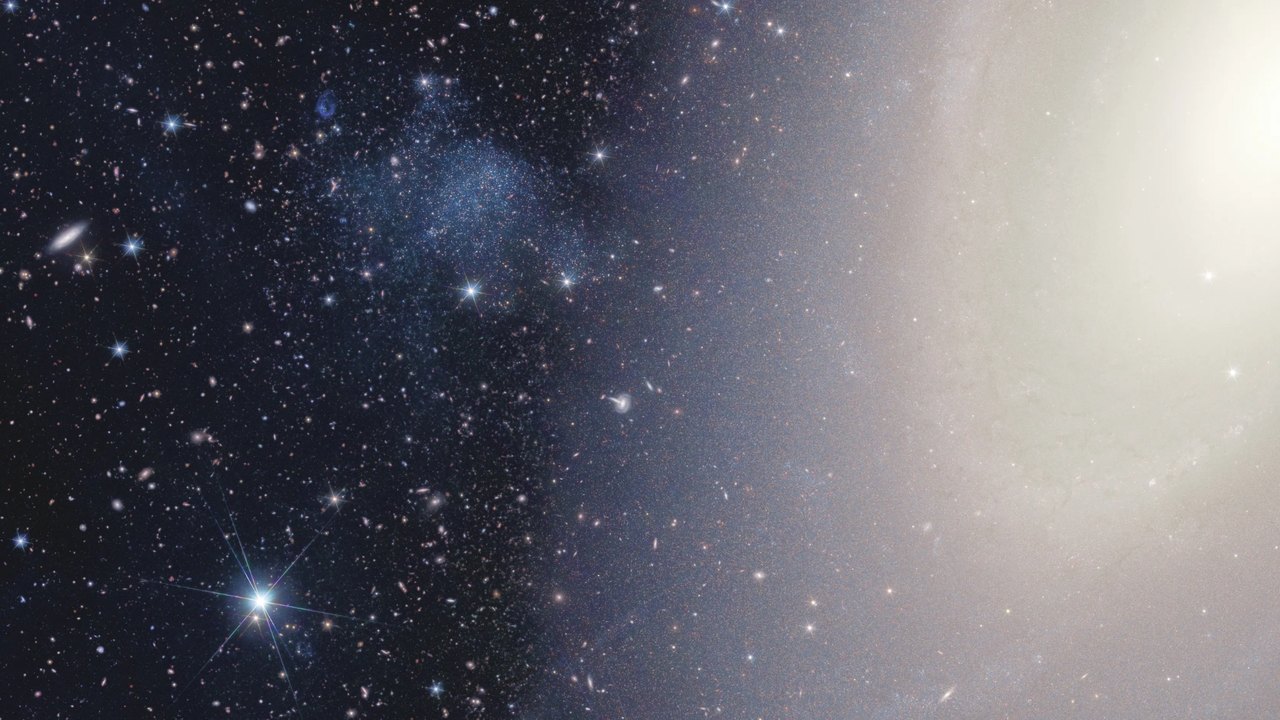
Image: Space · Photo source · Resized and letterboxed to 16:9; no AI generation
Summary
On 12 November 2023 the European Space Agency’s Euclid space telescope released its first major data batch (DR1‑Foundation), covering an area of sky equivalent to about 9,500 full moons and containing observations of more than a billion objects. The release marks the start of the largest space‑based 3‑D map of the cosmos and promises fresh insight into dark matter, dark energy and the large‑scale structure of the universe.
Key Details
- Data scope: 13 months of observations, 160 million spectra, >900 million galaxies, ~60 million quasar candidates, and a catalog of ~15,000 strong‑gravitational‑lensing systems.
- Sky coverage: Roughly 14 % of Euclid’s six‑year survey goal, an area comparable to 9,500 full moons.
- Mission context: Euclid launched in mid‑2023 and is described by ESA as the “Dark Universe Detective,” designed to probe both dark matter and dark energy.
- Scientific statements:
- Carole Mundell, ESA Director of Science, called the release “a scientific milestone” and highlighted its role as the largest space‑based survey of its kind.
- Valeria Pettorino, Euclid project scientist, noted the jump from earlier releases (≈60 deg²) to a full year of data covering a vastly larger region.
- Barbara Sartoris (Euclid Consortium, JL Lagrange Lab) emphasized the unprecedented view of ancient galaxy clusters across huge sky areas.
- Natalie Lines (University of Portsmouth) explained how the 15,000 lensing candidates will help weigh dark matter and test cosmic expansion.
Practical Implications
- Cosmology: Researchers can now map the cosmic web with far greater statistical power, improving constraints on how dark matter clusters and how dark energy drives acceleration.
- Gravitational lensing: The extensive lens catalog will aid follow‑up studies with telescopes such as JWST, enabling detailed investigations of distant galaxies magnified by strong lenses.
- Future work: The DR1‑Foundation data are raw and calibrated images, spectra, and catalogs that will be publicly available through ESA’s archive, allowing independent verification and new analyses.
How to Verify
The full data set and accompanying documentation are hosted on ESA’s Euclid Science Archive (ESA‑EUCLID‑DR1). Researchers can download the files, reproduce the catalog statistics, and compare them with earlier releases. ESA press releases and the Euclid mission website provide additional context and links to the raw data.
Outlook
Euclid’s survey will continue through spring 2025 and beyond, eventually covering the full six‑year target area. The current release represents only the first slice of a much larger picture, suggesting that many more discoveries about the dark universe are forthcoming.
--- Keywords: Euclid telescope, dark matter, dark energy, DR1‑Foundation, gravitational lensing, cosmic web, ESA, 3‑D cosmic map, galaxy clusters, space‑based survey
AI-assisted reporting; source claims are attributed and have not been independently verified.
More to read
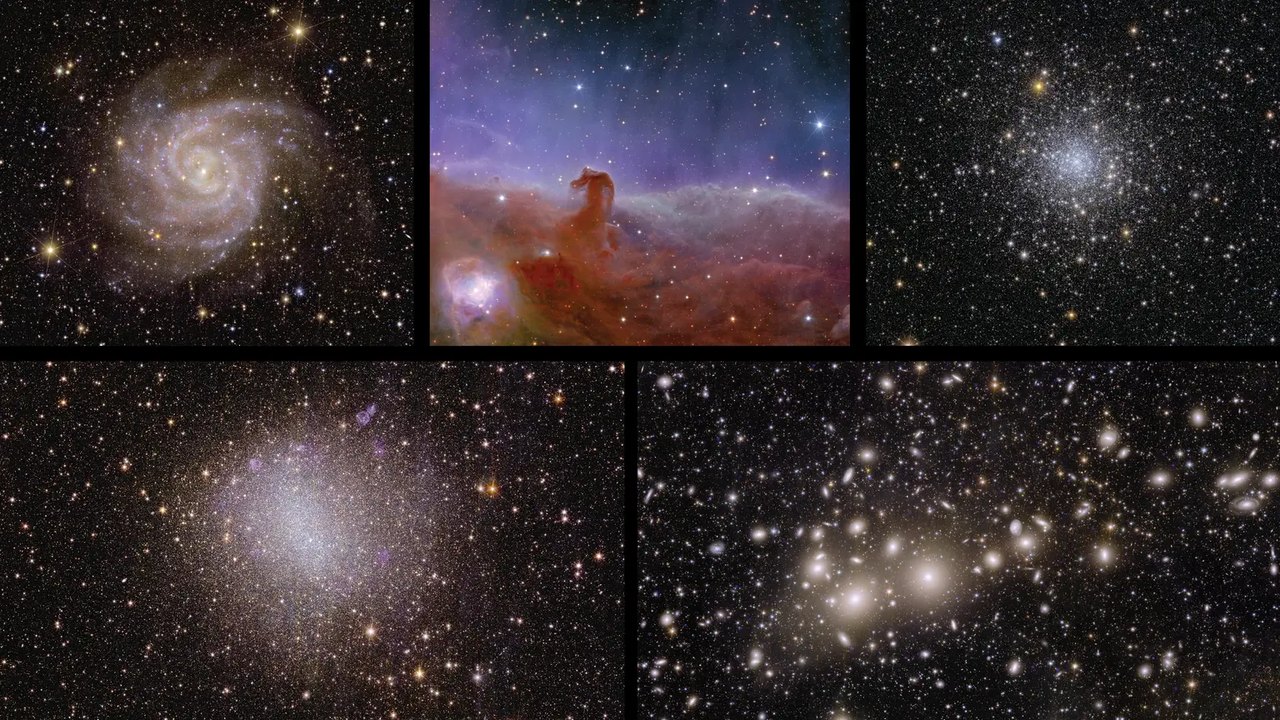 ESA Releases Euclid's First Detailed Images of the Dark Universe
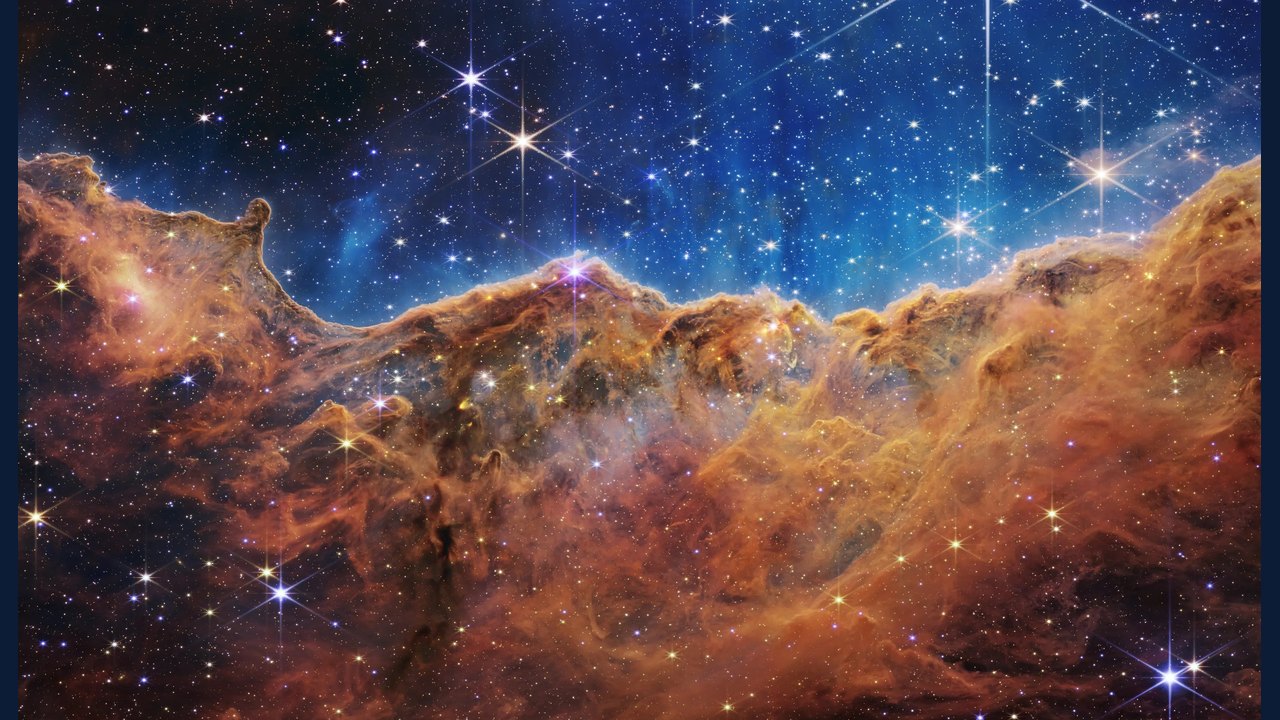 NASA Releases James Webb Space Telescope's First Full-Color Science Images
 NASA's James Webb Space Telescope Reveals Detailed Map of Dark Matter's Influence
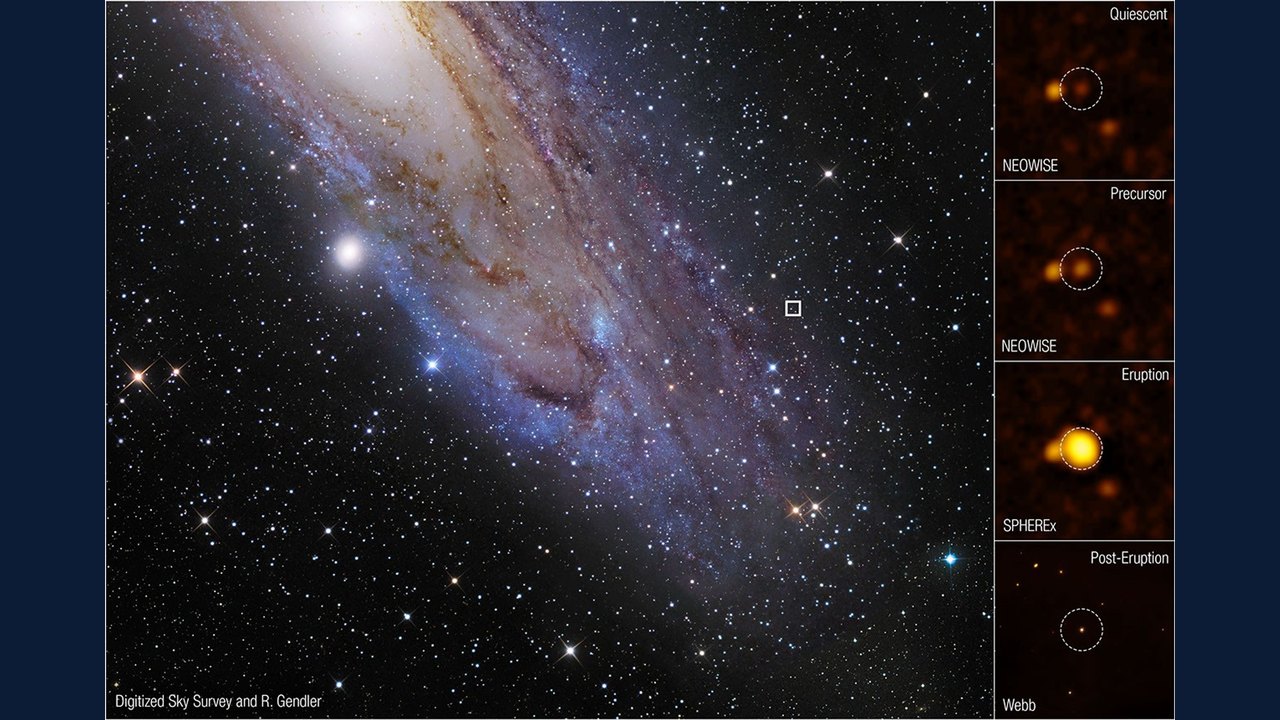 NASA Data Confirms First-of-Its-Kind Stellar Merger in Andromeda Galaxy