Global Immunization Efforts Have Saved At Least 154 Million Lives Over 50 Years, Says WHO Study
· GlobeWire Daily Editorial Desk · Source: www.who.int
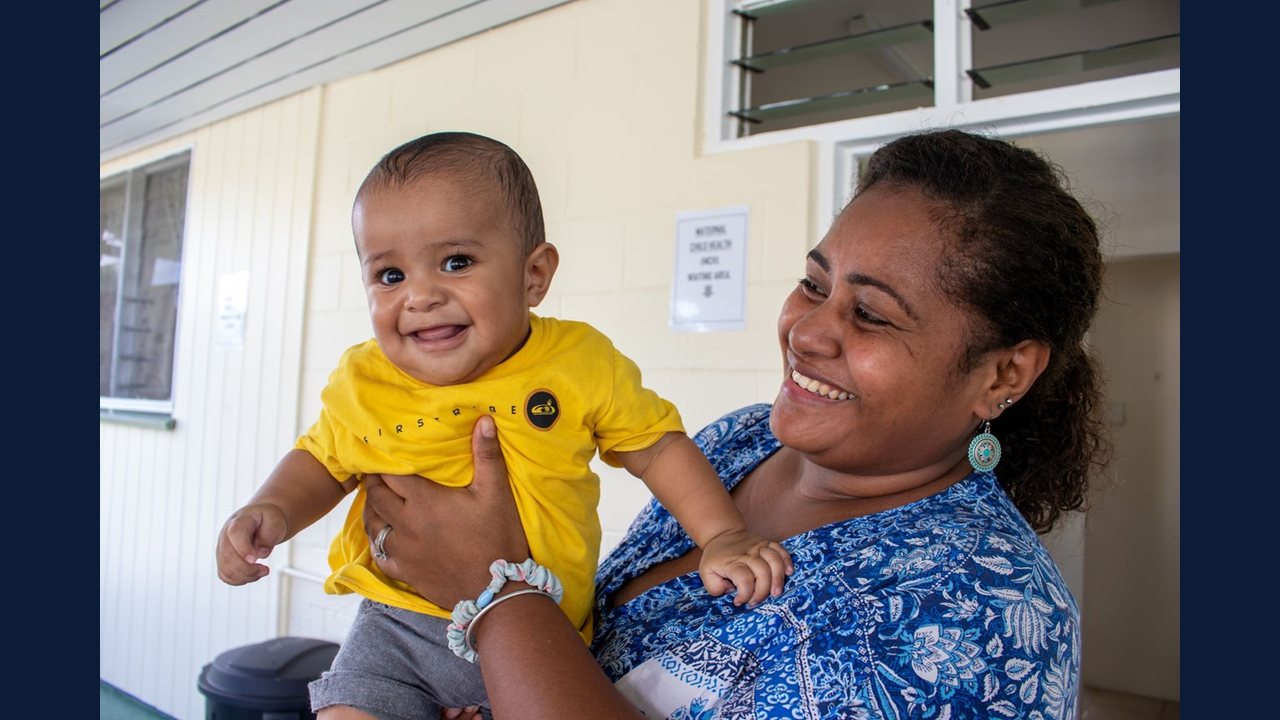
A major landmark study published in The Lancet and led by the World Health Organization (WHO) reveals that global immunization efforts have saved an estimated 154 million lives over the past 50 years. The findings indicate that vaccines represent the single greatest contribution of any health intervention to ensuring infants survive and lead healthy lives into adulthood.
Key Findings of the Landmark Study
- Infant Survival: The vast majority of lives saved—101 million—were those of infants, with vaccination directly contributing to a 40% reduction in global infant deaths over the past 50 years.
- Measles Impact: Measles vaccination had the most significant impact on reducing infant mortality, accounting for 60% of the lives saved due to immunization.
- Health Years Gained: For each life saved through immunization, an average of 66 years of full health were gained, totaling 10.2 billion full health years over the five decades.
- Expanded Coverage: When the Expanded Programme on Immunization (EPI) was launched in 1974, fewer than 5% of infants globally had access to routine immunization. Today, 84% of infants are protected with three doses of the DTP vaccine.
Collaborative Campaign and Future Goals
Ahead of the 50th anniversary of the Expanded Programme on Immunization, global health organizations including WHO, UNICEF, Gavi, and the Bill & Melinda Gates Foundation unveiled a joint campaign titled "Humanly Possible" during World Immunization Week (April 24–30, 2024).
Leaders emphasized the importance of addressing current challenges, such as reaching the millions of children who missed routine vaccinations during pandemic years, and expanding protection against additional diseases like HPV, malaria, and cervical cancer.
How to Verify and Learn More
To review the original announcements, verify data, or access campaign resources, interested readers can visit the official World Health Organization website (who.int) or the Humanly Possible campaign portal at itshumanlypossible.org.
More to read
 Study Examines How Carbohydrates Like Bread and Rice Can Influence Weight Gain Without Extra Calories
 Carrion Crows Process Moving Visuals Twice as Fast as Humans and Monkeys, Study Finds
 Curiosity Rover Captures Twilight Clouds Over Gale Crater on Oct 31 2026
 Astronomers Claim Discovery of New 'Black Hole Star' Object in Early Universe