New Study Warns Extreme Droughts Threaten Cactus Survival Worldwide
· GlobeWire Daily Science Desk · Source: www.wired.com
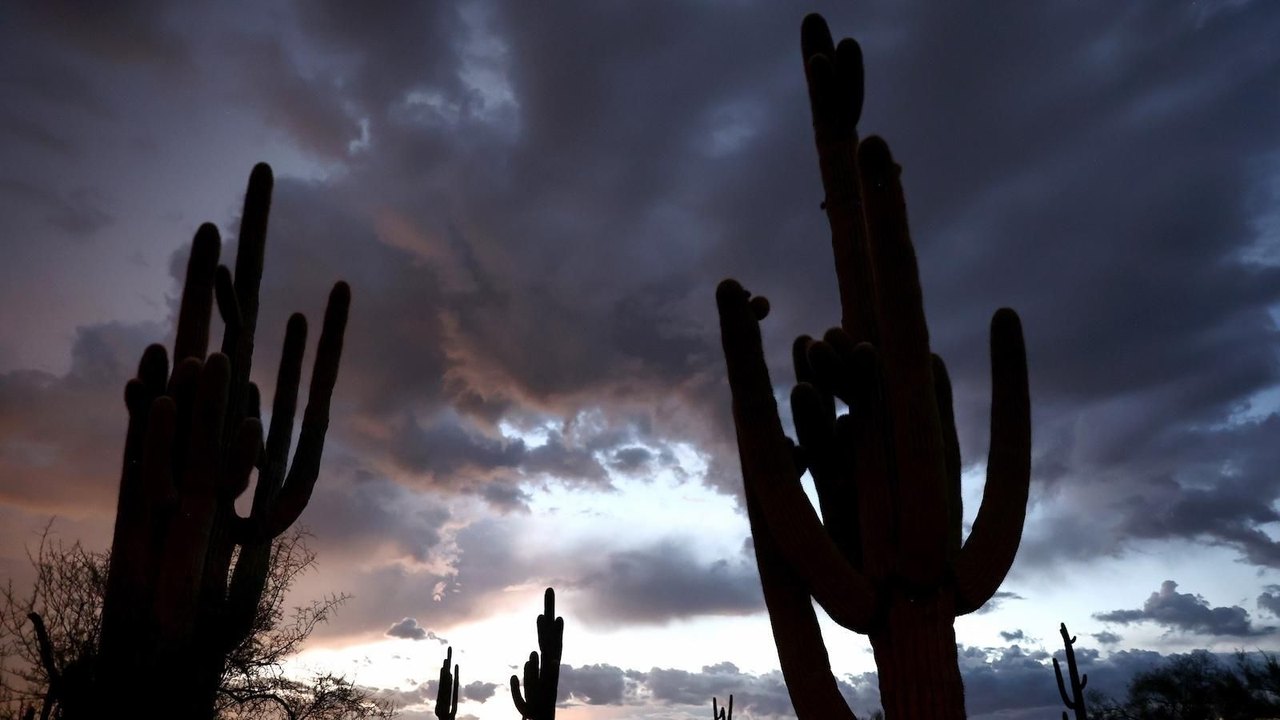
Image: Matt Simon · Photo source · Resized and letterboxed to 16:9; no AI generation
A recent study published in the journal Nature indicates that worsening droughts, driven by climate change, threaten the majority of nearly 1,000 studied cactus species with potential habitat loss. Researchers modeled future climate scenarios and utilized citizen science observations to evaluate the resilience of cacti beyond traditional assumptions.
Understanding Cactus Resilience and Vulnerability
Cacti are widely perceived as extremely drought-resistant organisms capable of handling harsh desert conditions. However, conservation ecologist Michiel Pillet, lead author of the paper from the University of South Florida, noted that cacti evolved under specific historical conditions and rely on seasonal moisture, such as monsoon rains in the southwestern United States.
- Sublethal Effects: Drought does not only cause immediate death; it can also interfere with reproduction, reduce growth, or prevent flowering.
- Reproductive Struggles: For instance, the iconic saguaro in the Sonoran Desert is reproducing less frequently during prolonged dry spells.
- Ecosystem Fragility: Desert ecosystems recover slowly from disturbances due to scarce water and high temperatures.
Compounding Pressures and Conservation Implications
Worsening droughts compound existing threats such as habitat loss and poaching. Additionally, higher nighttime temperatures disrupt plant respiration, and rising sea levels have previously impacted species like the Key Largo tree cactus in Florida.
- Migration Potential: Some plant populations might gradually shift toward regions with more favorable climates.
- Conservation Strategies: Researchers suggest that findings can help conservation professionals prioritize habitat protection and establish botanical garden populations for eventual reintroduction where feasible.
To verify the original findings, readers can consult the published research paper in the journal *Nature* or review reports from scientific organizations involved in desert ecology.
AI-assisted reporting; source claims are attributed and have not been independently verified.
More to read
 Common Anti-Inflammatory Drugs May Help Flu and COVID Viruses Spread, Study Warns
 Warming UK Seas Could Fundamentally Reshape Marine Ecosystems, Four-Year Study Warns
 Building Boom Puts 300,000 People in Path of Potential Himalayan Disasters, Study Warns
 RAND Study Warns Hasty U.S. Withdrawal From Europe Could Hurt American Defense Industry