Building Boom Puts 300,000 People in Path of Potential Himalayan Disasters, Study Warns
· GlobeWire Daily World Desk · Source: www.bbc.co.uk
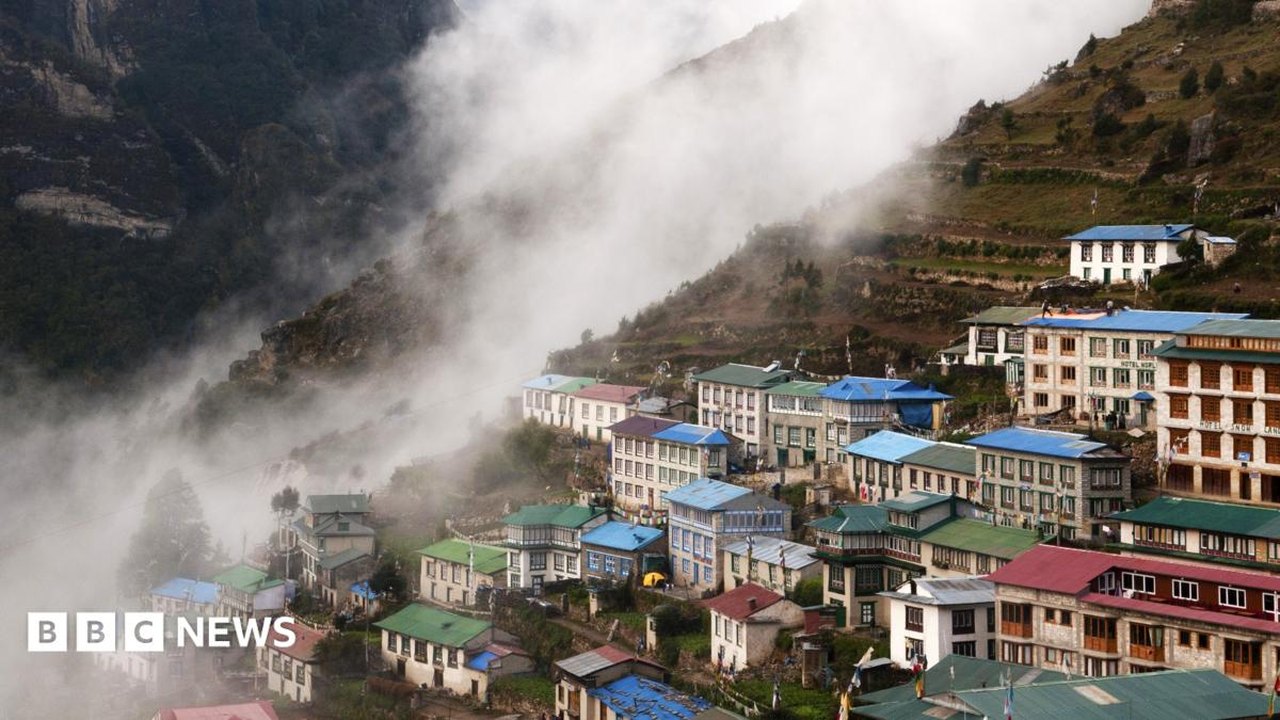
Image: BBC News · Photo source · Resized and letterboxed to 16:9; no AI generation
A new peer-reviewed study published in Scientific Reports indicates that at least 300,000 people in parts of the Himalayan region may be living in areas vulnerable to potential natural disasters. Researchers analyzed regions in northern Nepal, parts of south-eastern Tibet, and a corner of India's Uttarakhand, finding significant infrastructure expansion over recent years.
Rapid Growth in High-Risk Zones
According to the findings, built-up land within high-risk zones grew by approximately 45% between 2016 and 2023. In areas specifically threatened by glacial lake flooding, development increased by nearly 78% over the same timeframe. The study's authors note that the actual population under threat could be considerably higher, as the research focused on specific territories rather than all neighboring hazard-prone zones.
The research examined areas up to 50km downstream from Himalayan rivers and around 1,360 glacial lakes, documenting a rise in tourism facilities, real estate, and hydropower projects. In Pokhara, a major tourism hub in Nepal, Mayor Dhana Raj Acharya highlighted the challenge of managing risks from the Seti Gandaki River, noting that many older buildings stand close to river banks despite setback regulations.
Climate Factors and Recent Incidents
Scientists attribute the escalating risks primarily to warming temperatures in the Himalayas, which are reportedly rising at twice the global average. This accelerated melting of glaciers, snowpacks, and frozen ground can destabilize mountain slopes and expand glacial lakes until they burst. Additionally, rising temperatures bring rainfall to high-altitude areas that previously experienced only snow, contributing to rockfalls and slope failures.
The study preceded several recent events in the region, including flooding along the Budhi Gandaki river on 11 October that damaged houses, affected bridges, and left individuals missing, as well as severe flooding reported in August. Local authorities and experts have pointed out that enforcement of building regulations along river corridors remains a persistent challenge.
Policy Responses and Mitigation Efforts
Authorities in Nepal and India are introducing measures to address the growing risks. Nepal's national disaster agency announced plans to ban new settlements within 15 meters of the riverbank along specific corridors. Across the border, the government of India's Uttarakhand state approved new floodplain zoning rules on 12 October to regulate land use and protect infrastructure from potential flood damage.
Experts such as Alton Byers from the University of Colorado suggest the study should serve as a foundation for implementing more effective early-warning systems and precautionary measures. Meanwhile, researchers and urban planning specialists emphasize that balancing economic development with strict adherence to environmental safeguards will be critical for managing long-term disaster risks in fragile mountain ecosystems.
AI-assisted reporting; source claims are attributed and have not been independently verified.
More to read
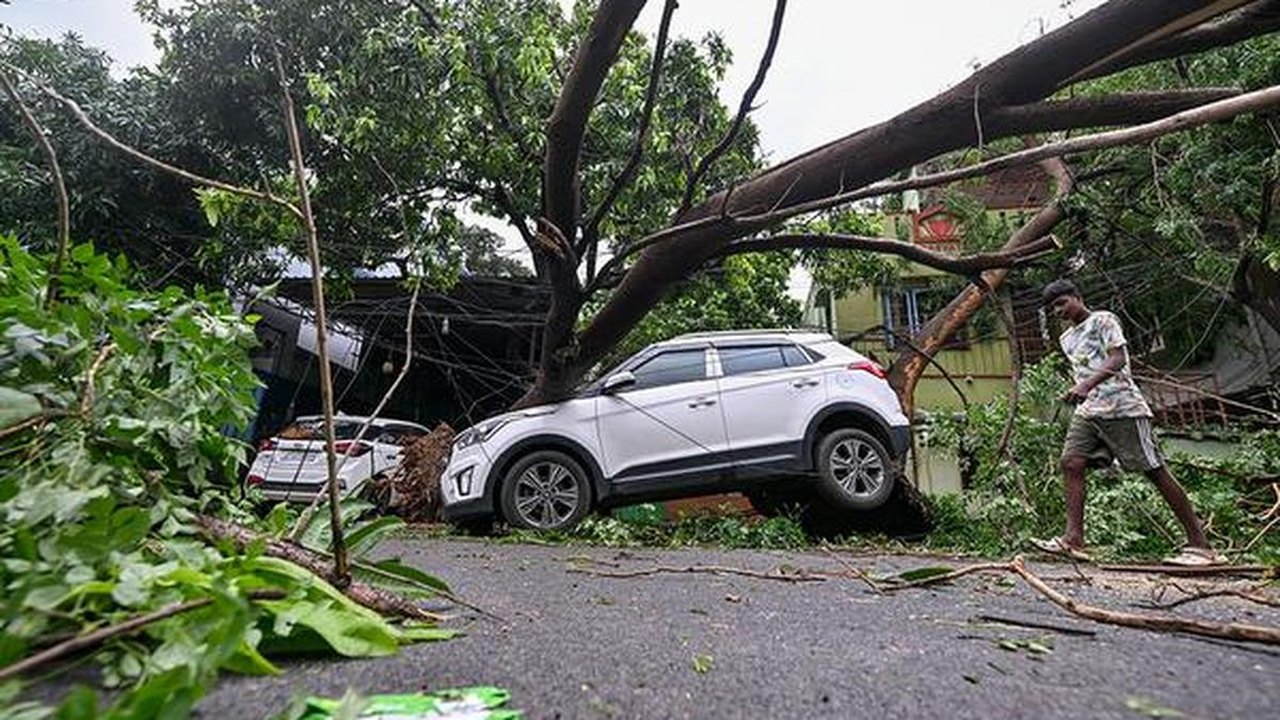 New Low-Pressure Area Forms in Andaman Sea Following Cyclone Arnab, IMD Warns Potential Impact on Andhra Pradesh
 Common Anti-Inflammatory Drugs May Help Flu and COVID Viruses Spread, Study Warns
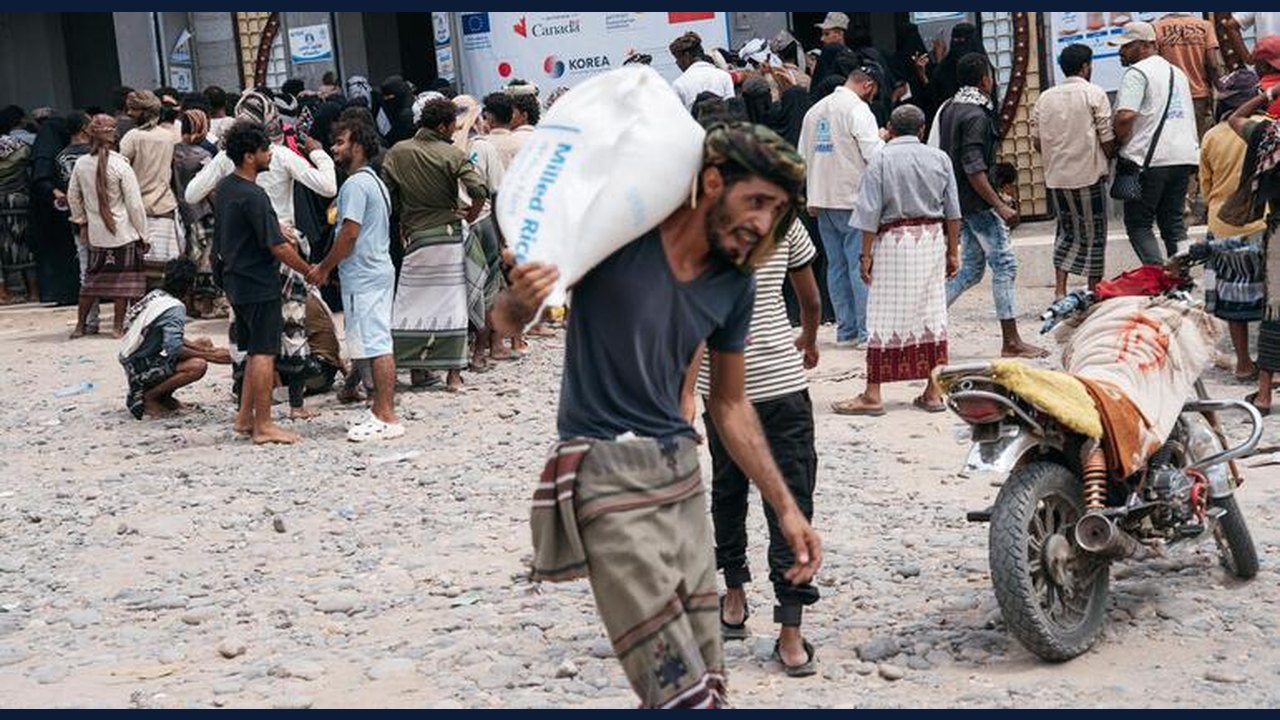 UNHCR Warns of Worsening Humanitarian Crisis and Access Dangers for Displaced People in Yemen
 Theranos Whistleblower Tyler Shultz Warns AI Boom Creates New Risks for Deception
Trending on GlobeWire Daily
Selected from recent coverage and related topics; not live search rankings.
 Madhya Pradesh Government Plans Revenue Generation from 117-Year-Old Edward Villa in Mumbai Through Leasing
 iPhone 18 Pro Named TechRadar Product of the Year 2026
 Google Project Suncatcher Runs Gemma 4 AI on Orbiting Satellite and Receives First Response
 Gender Disparities in Eye Care Access Across India Examined
 Satellite Images Show Cyclone Arnab Weakening Over India As New System Brews
 Expanding Green and Blue Spaces Crucial for India's Economic and Public Health, Reports Indicate