New Zealand Island's Ground Beetle Numbers Surge After Invasive Mice Removal
· GlobeWire Daily Science Desk · Source: timesofindia.indiatimes.com
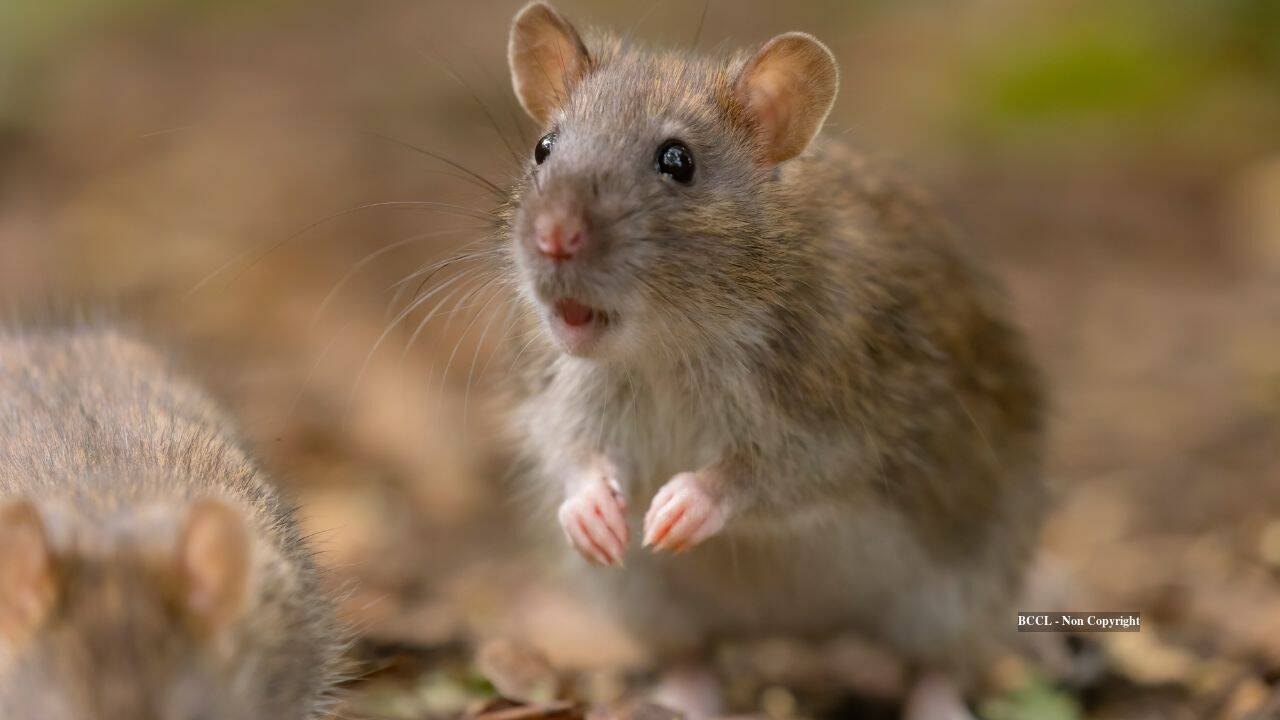
Image: The Times of India · Photo source · Resized and letterboxed to 16:9; no AI generation
Scientists report that ground beetle numbers on New Zealand's Antipodes Island are about 40 times higher than before invasive mice were eradicated, with rove beetles increasing more than twentyfold following long-term monitoring published in *Conservation Science and Practice*.
A Remote Island Ecosystem Under Pressure
Antipodes Island, a remote subantarctic location in New Zealand, supports seabirds, endemic land birds, and unique invertebrates, including the Antipodes Island snipe and parakeet. For over a century, invasive house mice—introduced via human activity—preyed on surface-dwelling invertebrates such as beetles and spiders, competed with native birds for food, and altered plant dynamics.
The Department of Conservation Te Papa Atawhai undertook the 'Million Dollar Mouse' campaign in 2016, utilizing a 13-strong team and helicopters to distribute cereal bait containing brodifacoum. Monitoring in February 2018 using tracking tunnels and rodent detection dogs confirmed the eradication of mice.
What the New Research Found
Published research examined post-eradication invertebrate recovery, highlighting that ground beetle abundance grew roughly 40-fold while rove beetle numbers rose over twentyfold. These insects play vital roles in processing organic material and supporting local food webs.
- Ecological Indicators: Beetles feature short life cycles, making them effective indicators of ecosystem health.
- Food Chain Impacts: Increased insect populations provide additional food sources for native birds, which earlier surveys noted had also increased following mouse removal.
- Long-term Monitoring: Scientists emphasize that ecological recovery unfolds gradually over multiple breeding cycles rather than occurring overnight.
Practical Implications and Verification
The findings demonstrate the profound, multi-year benefits of pest eradication on vulnerable island ecosystems. Readers can verify the original research by reviewing the published study in *Conservation Science and Practice* or consulting reports from the New Zealand Department of Conservation.
AI-assisted reporting; source claims are attributed and have not been independently verified.
More to read
 Spain Reports Rise in Marbled Duck Breeding Numbers Following Wetland Restoration Project
 EasyOptOuts Review: An Affordable U.S. Data Removal Service
 Data Centers and Water Use: Separating Myths from the Numbers
 Mallikarjun Kharge Moves CEC Removal Motion in Mock Parliament, Alleges Voter Irregularities
Trending on GlobeWire Daily
Selected from recent coverage and related topics; not live search rankings.
 Madhya Pradesh Government Plans Revenue Generation from 117-Year-Old Edward Villa in Mumbai Through Leasing
 iPhone 18 Pro Named TechRadar Product of the Year 2026
 Google Project Suncatcher Runs Gemma 4 AI on Orbiting Satellite and Receives First Response
 Gender Disparities in Eye Care Access Across India Examined
 Satellite Images Show Cyclone Arnab Weakening Over India As New System Brews
 Expanding Green and Blue Spaces Crucial for India's Economic and Public Health, Reports Indicate