Rare Meteorite Offers Window into Ancient Martian Crust and Hydrosphere
· GlobeWire Daily Science Desk · Source: arstechnica.com
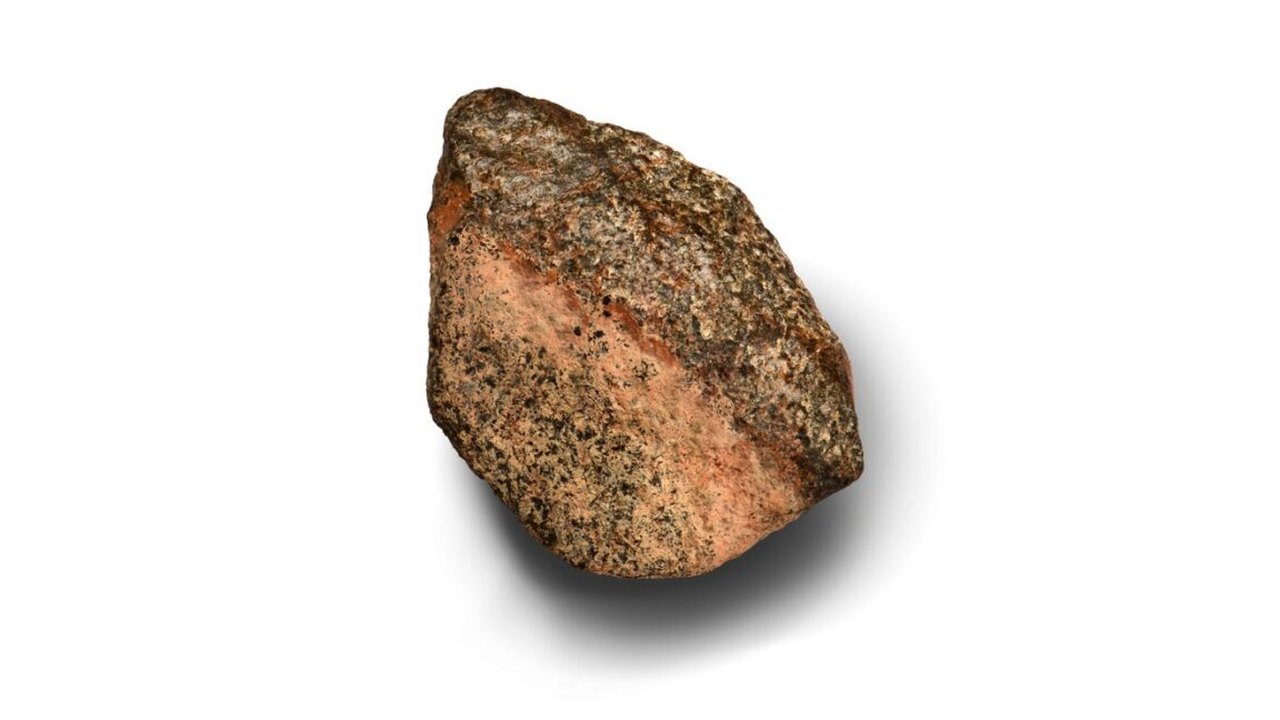
Image: Ars Technica · Photo source · Resized and letterboxed to 16:9; no AI generation
Scientists have analyzed a rare Martian meteorite named Teghaza 001, which formed at least 4.1 billion years ago, providing new insights into the ancient crust and early hydrosphere of Mars. Most known Martian meteorites are younger than 2.4 billion years old, leaving researchers with a collection that is heavily biased toward younger volcanic rocks.
Discovered in the Sahara Desert in Mali in 2022, the meteorite was acquired through the desert meteorite trade and subsequently classified by researchers at the University of New Mexico and NASA’s Jet Propulsion Laboratory. The study, led by planetary scientist Yang Liu, indicates that Teghaza 001 is a single, intact igneous rock composed largely of feldspar and pyroxene.
Key Findings from Teghaza 001
- Ancient Origins: Independent dating methods, including zircon grains and phosphate minerals, point to an age of roughly 4.11 billion years.
- Evidence of Water: The rock shows signs of ancient alteration by hot fluids, suggesting active water circulation through the Martian crust during its formation.
- Mantle Insights: Trace element ratios indicate the magma originated from deep within the Martian mantle, pointing to a complex mantle evolution in the planet's early history.
Practical Implications and Verification
The findings offer a rare glimpse into conditions that may have supported habitable environments in the early Martian crust. Researchers note that while orbital mapping helps narrow down potential source regions—such as the southern highlands northwest of the Hellas impact basin—determining the exact launch site remains challenging.
Readers can review the peer-reviewed research published in the journal *Science* (DOI: 10.1126/science.adz5646) for detailed methodology, isotopic measurements, and further analysis.
AI-assisted reporting; source claims are attributed and have not been independently verified.
More to read
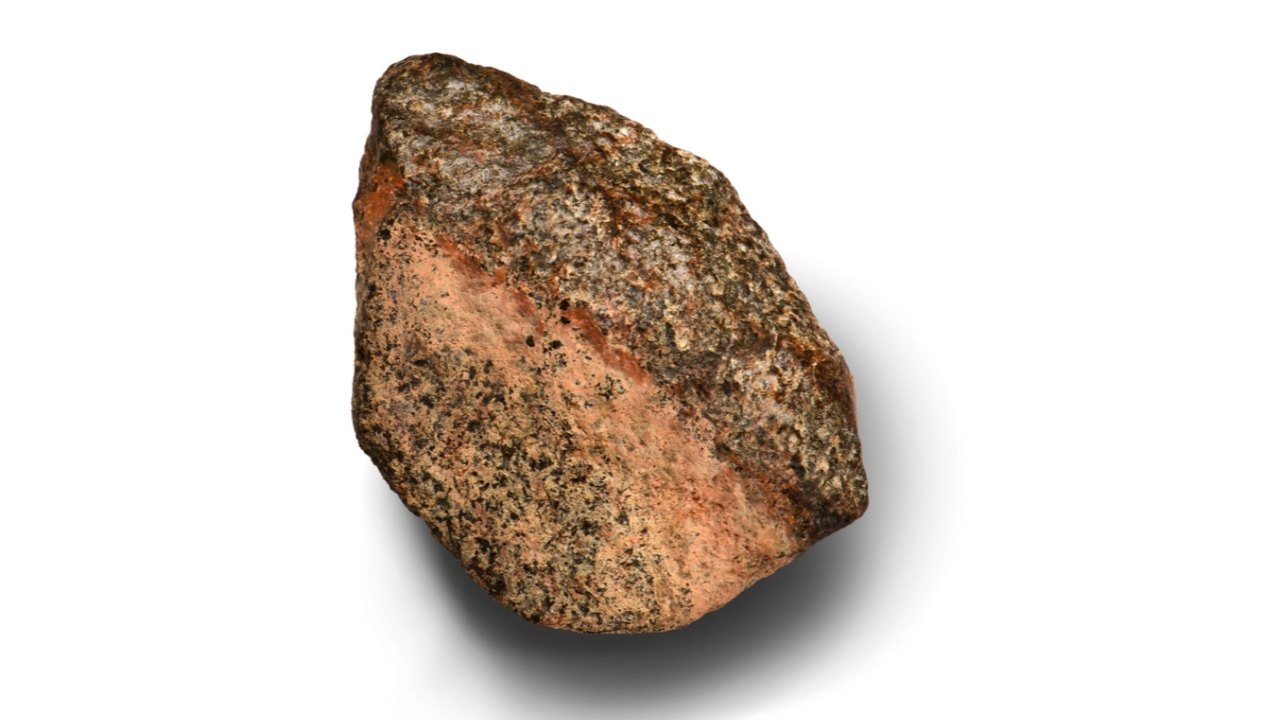 4.1-Billion-Year-Old Martian Meteorite Found in Sahara Desert Offers Clues to Ancient Water
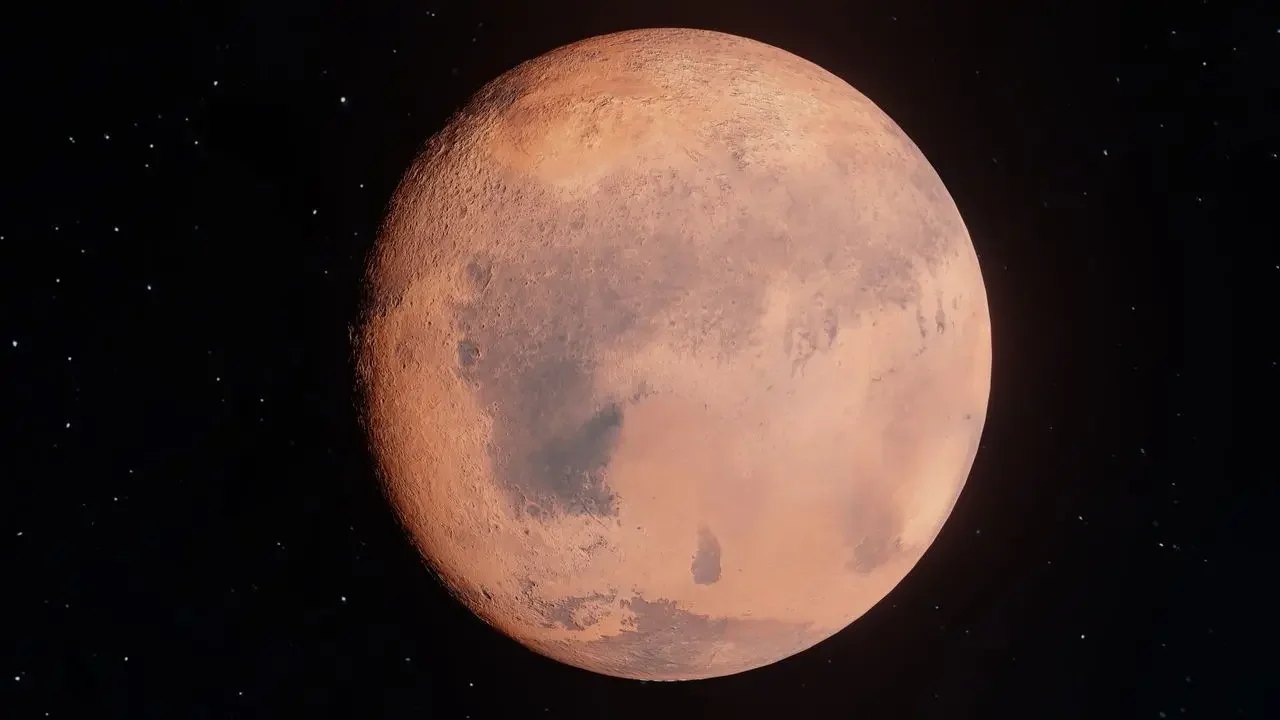 Scientists Discover New Rock Type and First Garnet in Martian Meteorite, Origin Unconfirmed
 Pokemon Legends: Z-A Mystery Gift Offers Rare Vivillon Patterns
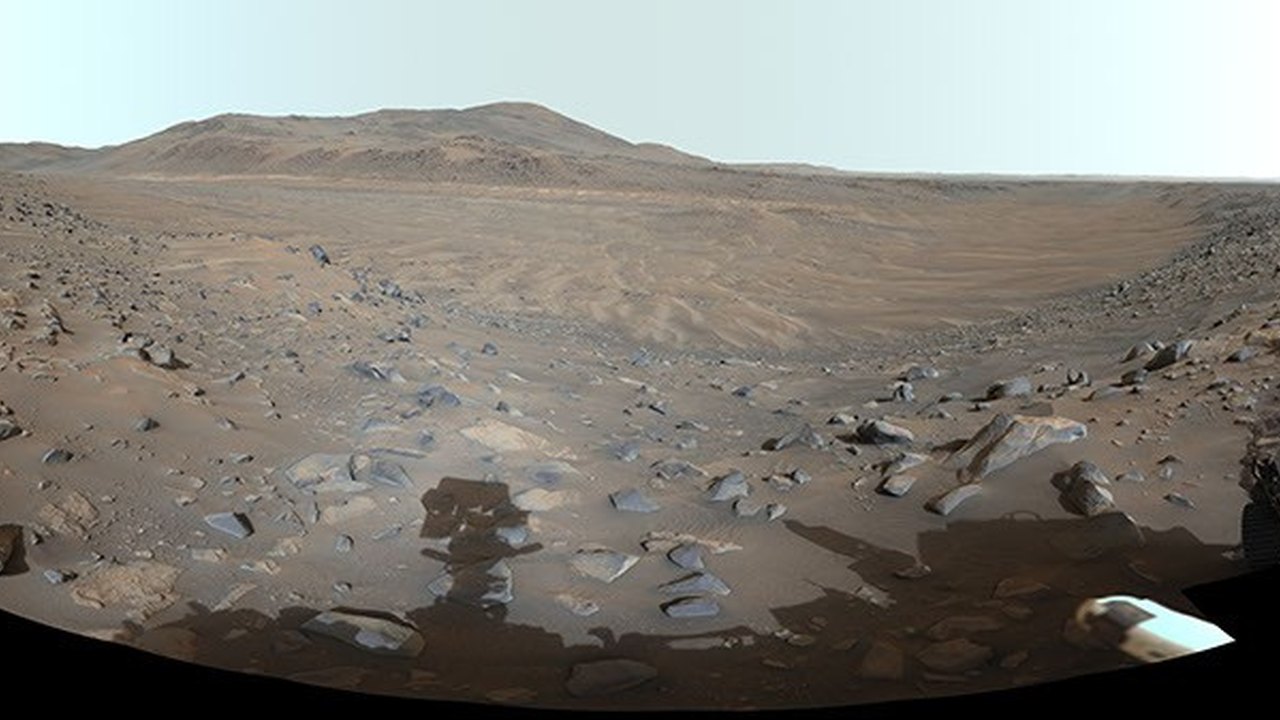 NASA's Perseverance Rover Captures Detailed 360-Degree View of Ancient Martian River Valley