Scientists Discover New Rock Type and First Garnet in Martian Meteorite, Origin Unconfirmed
· GlobeWire Daily Science Desk · Source: timesofindia.indiatimes.com
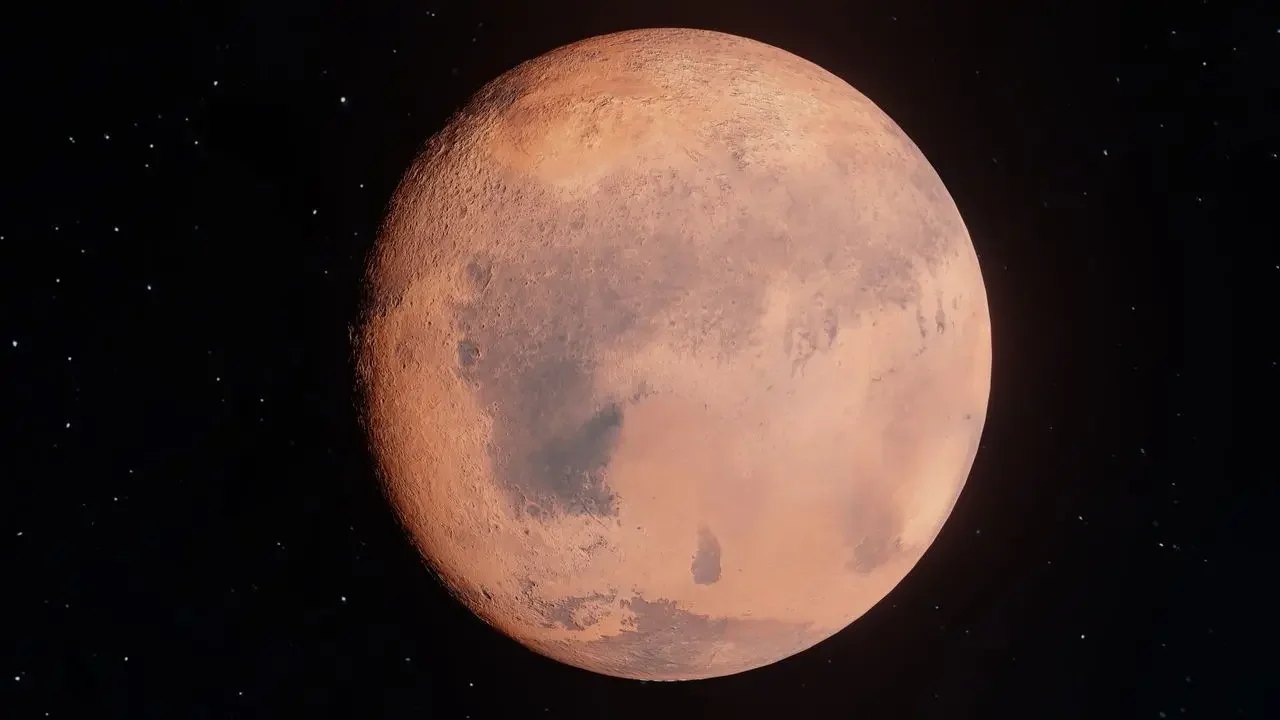
Image: The Times of India · Photo source · Resized and letterboxed to 16:9; no AI generation
Reported / unconfirmed — see source and confirmation status.
An international research team has identified a previously unknown rock type and detected the mineral garnet in a Martian meteorite fragment, though its definitive planetary origin remains unconfirmed. Researchers report that this find offers potential insights into the geological history of Mars, although further isotopic analysis is needed.
Researchers analyzed a fragment of the NWA 8171 meteorite, which is part of the Royal Ontario Museum collections. The study was led by Tanya Kizovski of Brock University, alongside colleagues including James Darling from the University of Portsmouth, Kim Tait, and Jessica Tomacic.
Key Findings and Analysis
- New Mineral Detection: Scientists found garnet for the first time in a Martian meteorite sample, initially mistaking the unusual chemistry for common pyroxene.
- Geological Potential: On Earth, garnet acts as a crucial indicator of crustal and mantle processes, serving here as a potential geological time capsule.
- Possible Formation Processes: Researchers speculate the metamorphic rock could have formed via meteorite impact heat, rising magma, or a combination of both.
Uncertainties and Verification Steps
- Unconfirmed Origin: Scientists caution that the rock may have been delivered to Mars by an extraterrestrial impact rather than forming natively on the planet.
- Isotopic Testing: Confirming whether the rock is truly Martian requires measuring oxygen isotopes, a process that would partially destroy the rare sample.
- Further Research: Ongoing investigations aim to compare the sample with rover and orbital data to clarify its history.
Readers can verify these findings through official university press releases and peer-reviewed geological publications referencing the NWA 8171 meteorite study.
AI-assisted reporting; source claims are attributed and have not been independently verified.
More to read
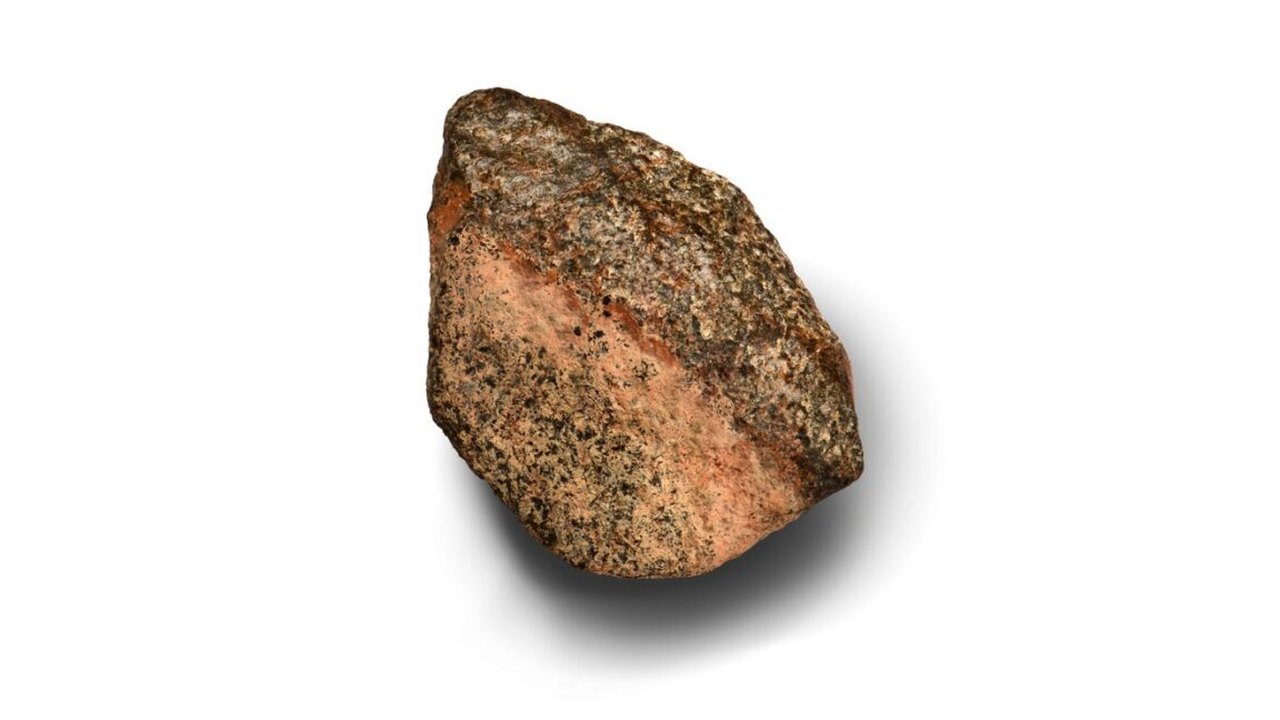 Rare Meteorite Offers Window into Ancient Martian Crust and Hydrosphere
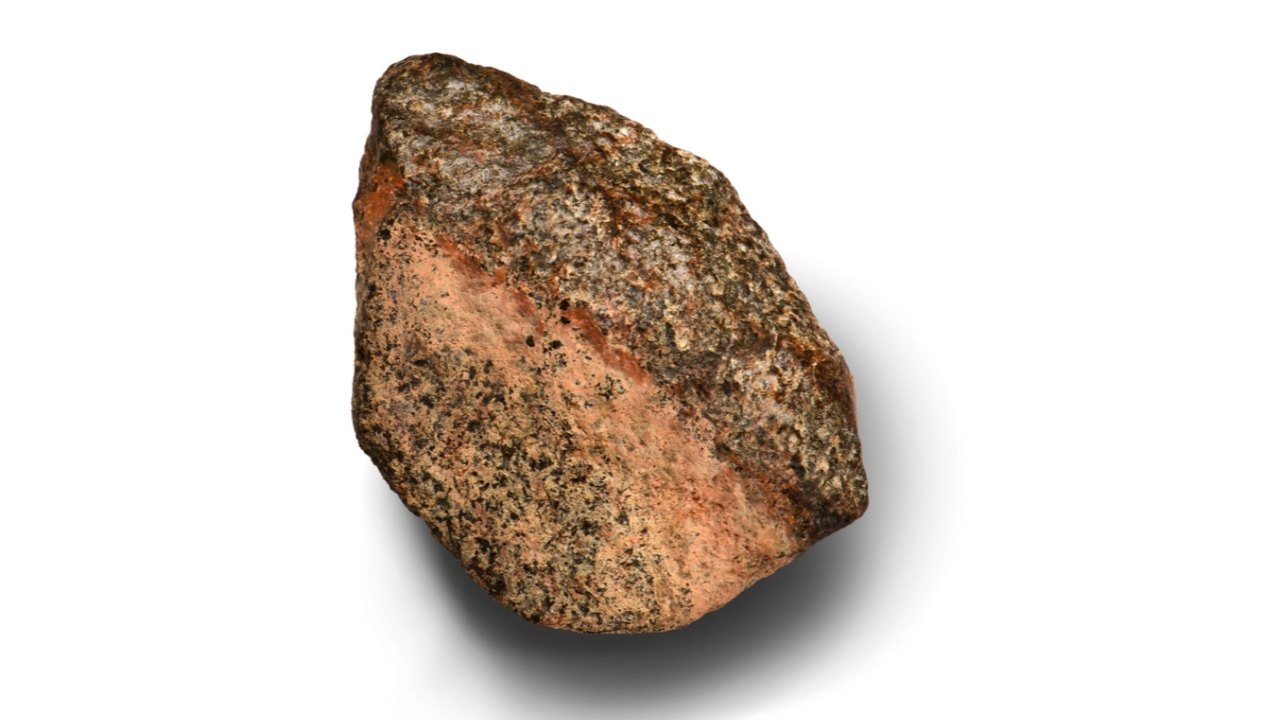 4.1-Billion-Year-Old Martian Meteorite Found in Sahara Desert Offers Clues to Ancient Water
 GTA 6 Players Discover Glitch for Unofficial First-Person Perspective
 Reported/Unconfirmed: Prime Video Releases First Images for Upcoming 'Boys of Tommen' Series Adaptation