Study Finds Limits to Elephant Community Resilience as Losses Accumulate
· GlobeWire Daily Science Desk · Source: arstechnica.com
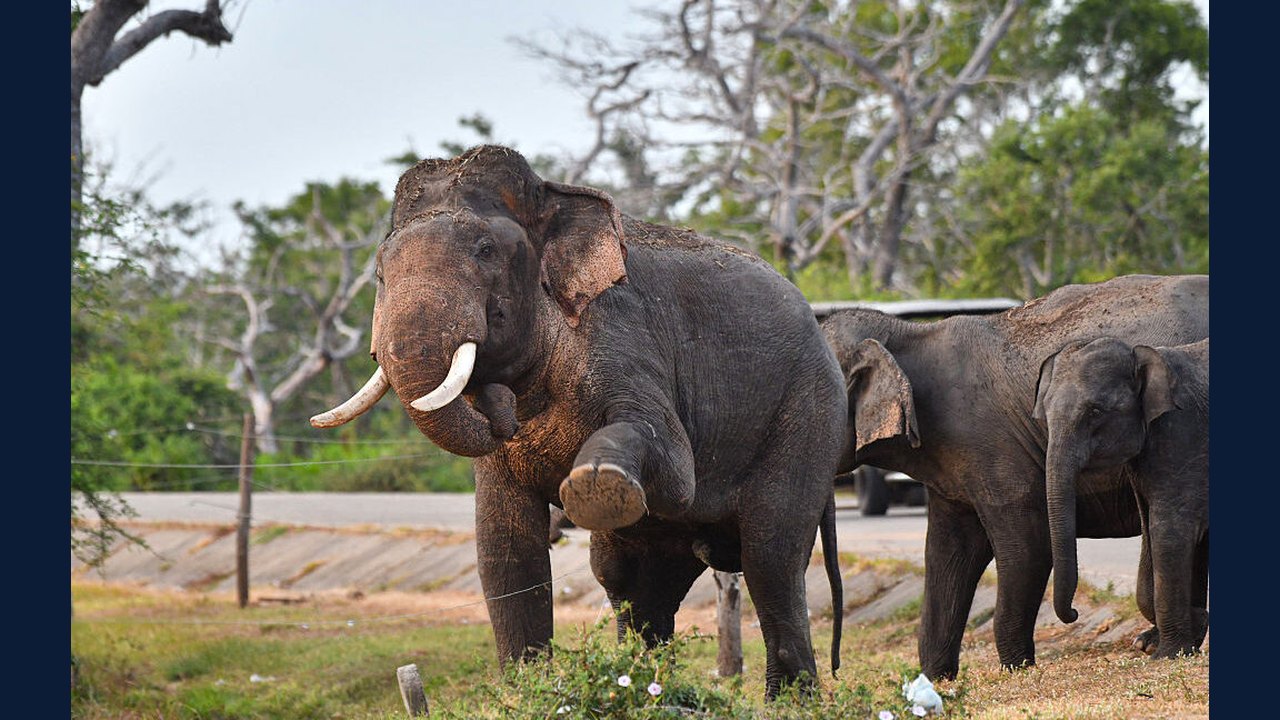
Image: Ars Technica · Photo source · Resized and letterboxed to 16:9; no AI generation
A recent study published in *Science* indicates that while animal societies often recover from isolated shocks, steady population losses can cause complex elephant networks to fracture. Researchers analyzed 12 years of observational data on wild Asian elephants in Sri Lanka's Udawalawe National Park.
Tracking Elephant Communities
Led by behavioral ecologist Anastasia Madsen and senior author Shermin de Silva from the University of California, San Diego, the research team observed 443 adult and subadult females between 2007 and 2018. Because female Asian elephants live in fission-fusion societies where individuals associate flexibly, researchers reconstructed annual social networks based on how often specific animals were sighted together.
- Initial Stability: For the first several years, the elephant communities maintained stable connections.
- The Tipping Point: Around 2012, deaths and departures began to outpace new arrivals. By 2018, roughly 69 percent of the females recorded at the start of the study were no longer present.
- Social Fracturing: As losses accumulated, communities grew smaller, more numerous, and increasingly isolated from one another.
Habitat Changes and Food Availability
According to the researchers, Udawalawe National Park underwent ecological changes after human settlers were relocated in the 1970s. Cleared lands initially turned into productive grasslands resembling African savannas, but the absence of fires and clearing allowed invasive plants like lantana to take over. This reduction in quality forage limited food sources, leading to fewer calves reaching adulthood and fewer outside elephants visiting.
Even among a core group of 59 resident elephants monitored annually, relationships shifted significantly one to three years after the population decline began. Researchers noted that weak ties—such as casual acquaintances that help diffuse tension or share information across groups—were the first to disappear.
Practical Implications and Verification
- Early Warning Signs: Researchers observed "flickering" fluctuations in network statistics before the structural breakup, suggesting that long-term social data could potentially serve as an early warning indicator for wildlife managers.
- Broader Landscape Challenges: Scientists emphasize that protected areas alone are insufficient, as human-elephant conflicts and habitat fragmentation continue to impact survival rates beyond park borders.
Readers can review the original research paper titled "In elephants, the resilience of communities has its limits" published in *Science* (DOI: 10.1126/science.aef6714) for detailed methodology and statistical models.
AI-assisted reporting; source claims are attributed and have not been independently verified.
More to read
 Weight-Loss Drugs Used in Nearly One in 10 Great Britain Homes, Study Finds
 Climate Change Pushes Earth's Ice Outside Its Safe Operating Space, Study Finds
 US Hyperscale Data Centers Match Michigan's Annual Electricity Consumption, Study Finds
 Domestic Travel Fueled Five Measles Importations to Washington State from South Carolina, Study Finds