Tasmania Proposes ‘Hazing’ and ‘Seal Enrichment’ in New Management Plan for Neil the Elephant Seal
· GlobeWire Daily Science Desk · Source: www.wired.com
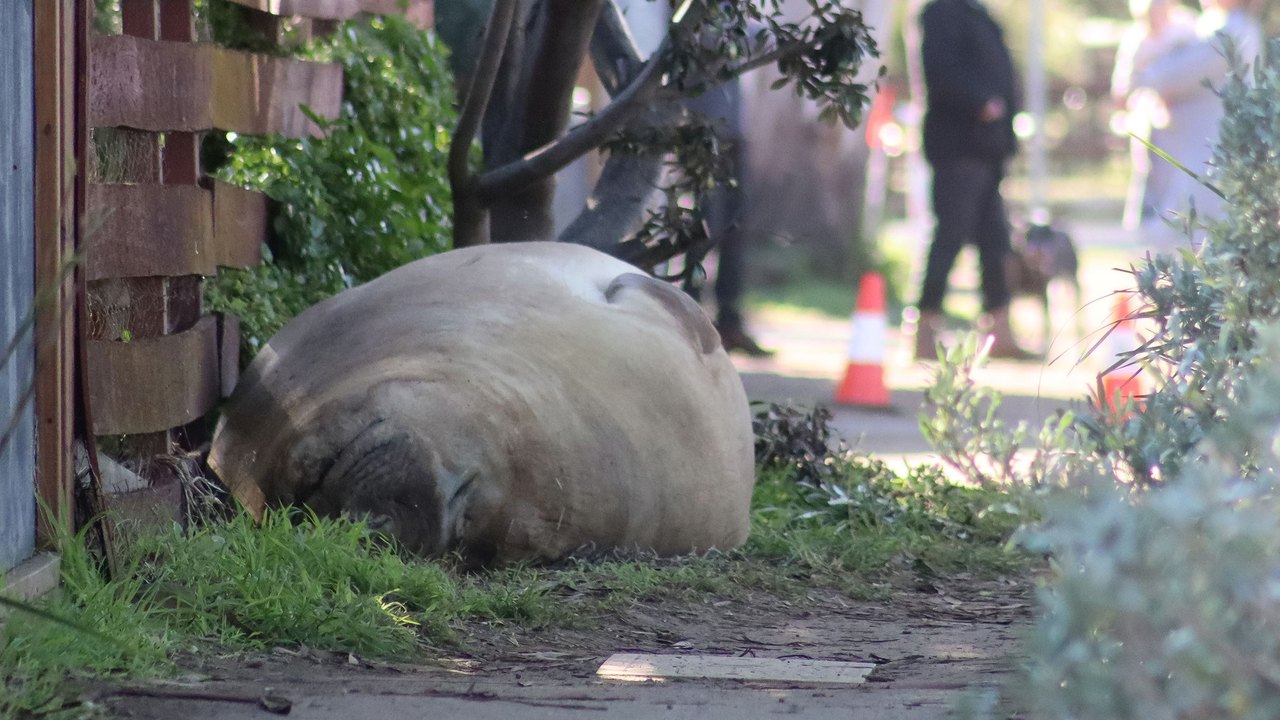
Image: Tess Owen · Photo source · Resized and letterboxed to 16:9; no AI generation
Tasmanian authorities have released a 27-page management plan to address the recurring public visits of Neil, a 6-year-old elephant seal known for property damage and viral social media popularity during his winter visits.
According to published reports, Neil weighs over 2,000 pounds and undergoes an annual "catastrophic molt" where he sheds his fur and top layer of skin. During these onshore stays, his activities have included damaging walkways, flattening bollards, breaking through fences, and ramming vehicles. Public interest has also driven security costs into the tens of thousands of Australian dollars.
The New Management Framework
The Department of Natural Resources and Environment published the dossier titled “Neil the Seal Management Plan.” The framework outlines specific contingencies depending on where Neil comes ashore:
- Secluded Locations: A hands-off, "non-intervention" approach where a dedicated task force monitors him from a distance and erects warning signs for the public.
- Public Locations: If Neil approaches roads or critical infrastructure, officials may use "on-site seal management."
- Hazing: The plan proposes using non-violent deterrents and negative associations—such as controlled visual, tactile, and vocal stimuli—to encourage the seal to move away from restricted areas.
- Seal Enrichment: Officials plan to use decoy items designed to withstand heavy interaction to redirect Neil's exploratory behaviors away from human infrastructure.
Practical Implications and Verification
While the plan aims to minimize disruptions, officials note that significant events like road closures, public safety incidents, or relocations remain possible. Members of the public who observe Neil or need assistance are advised to contact the Marine Mammal Hotline at “0427 WHALES.” Independent verification of the management guidelines can be sought directly through the Tasmanian Department of Natural Resources and Environment official publications.
AI-assisted reporting; source claims are attributed and have not been independently verified.
More to read
 India prepares robust workload management plan for New Zealand tour, says Morne Morkel
 Open‑Source ‘It’s a Plan’ Offers Self‑Hosted Project Management with AI Agents
 IBM Updates Quantum Roadmap with 2027 Dual-Processor Plan and Error-Correction Goals
 Study Finds Limits to Elephant Community Resilience as Losses Accumulate